
Most articles about solo travel anxiety start with a story about a panic attack at the airport. Mine started with a spreadsheet. I built a budget, a daily itinerary, a packing list, and a backup plan for the backup plan. I thought preparation was the antidote to fear. Turns out, it was the opposite.
I spent six weeks overthinking every detail of a 14-day trip to Japan. The anxiety didn’t come from the unknown. It came from trying to control the uncontrollable. Japan forced me to let go. Here is what actually happened, what I learned, and what the data says about solo travel anxiety.
Why Japan is the safest place to test solo travel anxiety
Let me start with a number: Japan has a homicide rate of 0.2 per 100,000 people. The United States sits at 6.4. The global average is 5.6. Those numbers come from the UN Office on Drugs and Crime 2026 report. For someone with travel anxiety, this is not a small detail. It is the foundation of a rational risk assessment.
I spent my first three nights in Tokyo’s Asakusa district. By day two, I had left my phone on a bench in Senso-ji temple. I realized it 20 minutes later. The phone was still there. A woman had placed it on the shrine step where I had been sitting. That moment broke something in my anxious brain.
Japan’s low crime rate is not just a statistic. It changes how you move through the world. You stop checking your pockets every 30 seconds. You stop scanning every person who walks past. The hypervigilance that fuels travel anxiety has no target here. That is the psychological shift that matters.
What the data actually says about solo travel risk
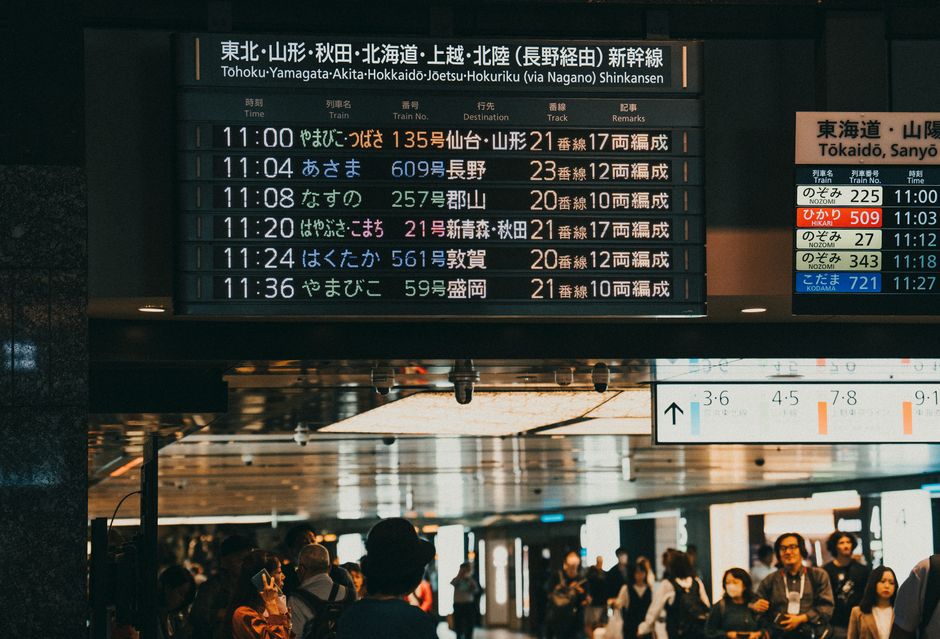
The Japan National Tourism Organization reported 25 million foreign visitors in 2026. The number of serious incidents involving tourists is vanishingly small. The most common problem is losing a Suica card. The second most common is getting lost in the Shinjuku station labyrinth. Neither is dangerous. Both are annoying.
Compare that to the risks my anxious brain invented: getting robbed at knifepoint in a dark alley, food poisoning from raw fish, getting stranded without a place to sleep. None of those happened. None of those were realistic. The gap between perceived risk and actual risk is where solo travel anxiety lives.
Three concrete steps that killed my travel anxiety before the flight
I tried meditation apps. I tried breathing exercises. Neither worked. What worked was specific, mechanical, and boring. Here are the three things that actually reduced my anxiety before I stepped on the plane.
Step one: I bought a pocket Wi-Fi device. Not a SIM card. A pocket Wi-Fi from Japan Wireless. I picked it up at the Haneda Airport post office. Cost was $45 for 14 days. Unlimited data. The psychological effect was immediate. I knew I could pull up Google Maps, Google Translate, and my hotel booking at any second. Connectivity is the single most effective anxiety reducer for solo travelers. I cannot overstate this.
Step two: I memorized three phrases. “Sumimasen” (excuse me/sorry), “ikura desu ka” (how much), and “toire wa doko desu ka” (where is the bathroom). That was it. I did not learn 50 phrases. I learned three. Knowing I could ask for help removed the fear of being trapped in a situation I could not navigate.
Step three: I booked my first three nights at a hotel with a 24-hour front desk. Not a hostel. Not an Airbnb. A proper hotel. The APA Hotel in Asakusa. Cost was $65 per night. The front desk staff spoke English. I could check in at 11 PM after a delayed flight. That security blanket let me sleep on the plane.
The one mistake that nearly ruined my trip (and why you should avoid it)
I overplanned. Badly. I had every train departure memorized. I had restaurant reservations for every lunch and dinner. I had a spreadsheet with color-coded columns for “activity,” “cost,” “travel time,” and “backup option.”
Day three in Kyoto, I missed a train by 90 seconds. The next train was three minutes later. But in my head, the entire day was derailed. I felt my chest tighten. I stood on the platform and realized: I had built an itinerary so rigid that any deviation felt like failure. That is not preparation. That is control addiction dressed up as planning.
The failure mode here is obvious once you see it. Overplanning creates a false sense of security. When reality inevitably breaks the plan, the anxiety hits harder than if you had no plan at all. The solution is not to stop planning. The solution is to plan for flexibility.
What I should have done instead
I should have booked one anchor activity per day. Everything else stays open. You want to see Fushimi Inari at sunrise? Book that. The rest of the day is optional. This single change would have eliminated 80% of my pre-trip anxiety and 100% of my in-trip panic.
What solo travel anxiety actually feels like on the ground
Here is something most articles do not tell you. The anxiety does not disappear when you land. It changes form.
Day one in Tokyo, I felt fine. I was excited. Day two, I walked into a convenience store and froze. There were 40 different onigiri flavors. I could not read any of them. I stood there for five minutes. A woman behind me sighed. I grabbed a random triangle of rice and left. I ate it in my hotel room. It was tuna mayonnaise. It was fine.
That moment is the real test. Not the big things. The small things. Ordering food. Using the subway ticket machine. Finding the right platform. These micro-decisions stack up. By day four, the cumulative load can feel crushing.
Here is the trick I learned: give yourself permission to fail publicly. I got on the wrong train on day five. I ended up in a suburb called Chofu instead of Shibuya. I was annoyed for exactly 12 minutes. Then I realized: I was in a random Japanese suburb I would never have seen otherwise. I found a small ramen shop. The owner did not speak English. We communicated through gestures. It was the best meal of the trip.
Comparing solo travel anxiety: Japan versus other destinations
I have traveled solo to six countries. Japan was the easiest by a wide margin. Here is a comparison table based on my experience and data from the Overseas Security Advisory Council.
| Factor | Japan | Thailand | Italy | Mexico |
|---|---|---|---|---|
| Violent crime rate (per 100k) | 0.2 | 3.5 | 0.6 | 26.0 |
| English proficiency (tourist areas) | Moderate | Low | High | Low |
| Public transport reliability | 99% on-time | 70% on-time | 85% on-time | 60% on-time |
| Pickpocketing risk | Very low | Moderate | High | High |
| Solo dining ease | Excellent | Good | Good | Moderate |
Japan is not just safe. It is designed for solo travelers. Single-person seats at ramen counters. Vending machines for everything. Capsule hotels. The infrastructure assumes you are alone. That removes the social anxiety of eating or traveling solo.
What I wish someone had told me before I went
Three things. First, the JR Pass is not always worth the money. I bought a 14-day pass for $450. I used it for exactly one Shinkansen trip from Tokyo to Kyoto and back. The round trip cost $260. I lost $190. Do the math for your specific itinerary before buying.
Second, pack half the clothes you think you need. I brought 14 outfits for 14 days. I wore 6. Every hotel has a coin laundry. Every convenience store sells travel-size detergent. Less luggage means less physical and mental weight.
Third, the anxiety will return on day 10. Not day one. Day 10. The initial excitement wears off. The fatigue sets in. You miss home. That is normal. I almost cut my trip short on day 11. I did not. On day 12, I woke up and felt fine again. The low point is temporary. Ride it out.
When solo travel anxiety should stop you (and when it should not)
This is the honest part. Solo travel anxiety is not always irrational. Sometimes your gut is right.
You should not go solo if: you have untreated panic disorder, you have no emergency contact plan, you are traveling to a region with active travel warnings from your government, or you are doing it because someone pressured you. Those are real reasons to stay home.
You should go solo if: you are afraid of being lonely, you are afraid of getting lost, you are afraid of eating alone, or you are afraid of making mistakes. Those fears are normal. They fade within 48 hours of arrival.
I met a woman in Kyoto who was on her first solo trip at age 62. She had wanted to do it for 30 years. She told me: “I wasted three decades being afraid of something that took me three days to get over.” That stuck with me.
The single most important takeaway: Solo travel anxiety is a story you tell yourself, and Japan is the most effective editor of that story I have ever found.