
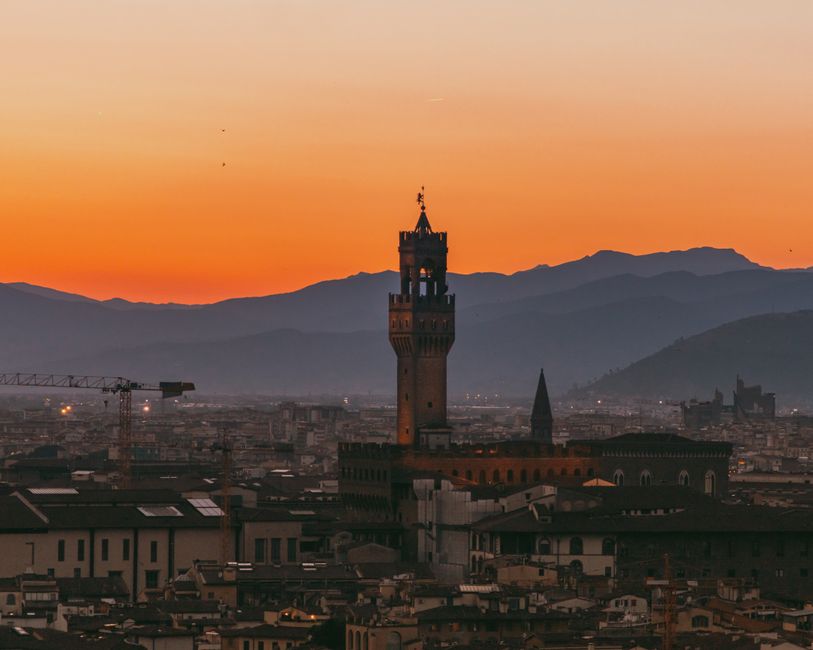
Most first-time solo travelers to Italy assume Rome is the obvious choice. Colosseum. Vatican. Trevi Fountain. It feels like the complete Italian experience. But that assumption skips a critical question: does a city that overwhelms 15 million tourists a year actually serve someone traveling alone?
Florence is smaller, quieter, and easier to navigate. Rome has more iconic sights but demands more patience, money, and planning. The right pick depends on what kind of solo trip you want. Here is the breakdown.
Is Rome Too Big for a Solo Traveler?
Rome is sprawling, loud, and chaotic. The historic center is walkable, but the metro only has three lines. You will spend time on buses or your feet. For a solo traveler, that means more logistics and less spontaneous wandering.
Navigation and Time Costs
Walking from the Colosseum to the Vatican takes about 45 minutes. In July heat, that feels longer. The metro is efficient but crowded. You will need a Roma Pass (€38 for 72 hours) to skip some lines and cover transit. Without it, you queue 45–90 minutes at major sites.
Social Dynamics
Rome has more hostels with common rooms and organized pub crawls. The YellowSquare Rome hostel runs daily group dinners and walking tours. If you want to meet people easily, Rome wins. But if you prefer quiet mornings with a book in a piazza, the scale works against you. The city never stops moving.
Verdict: Rome is better for extroverted solo travelers who want to meet people and don’t mind the extra planning.
Florence: Compact, Walkable, and Surprisingly Social
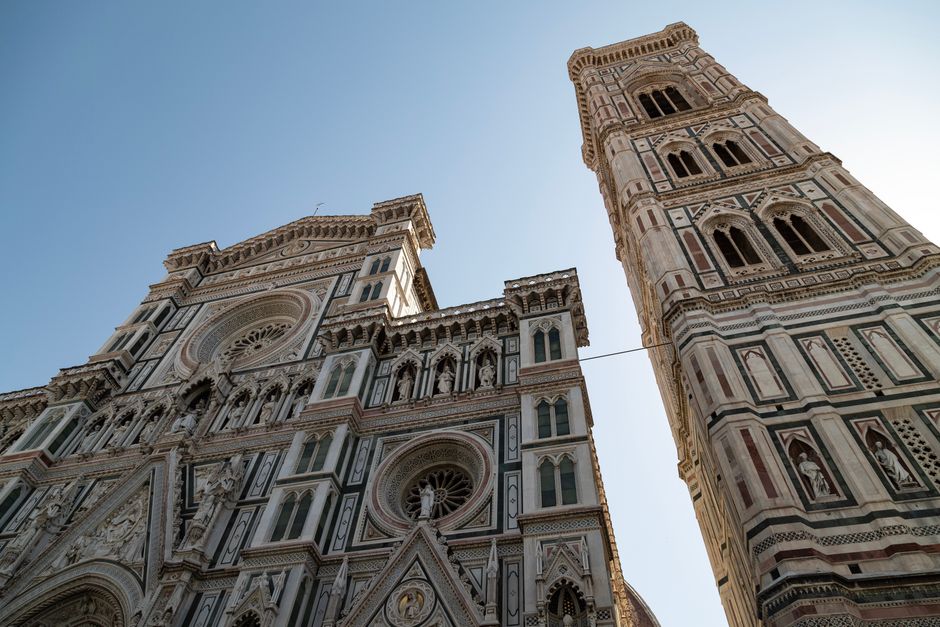
Florence fits in the palm of your hand. You can walk from the Duomo to the Uffizi to the Ponte Vecchio in under 15 minutes. That changes how you spend your day. No transit planning. No wasted time.
Cost Comparison
| Expense | Rome (average) | Florence (average) |
|---|---|---|
| Hostel dorm (per night) | €35–€50 | €28–€40 |
| Pizza/pasta meal (sit-down) | €15–€22 | €12–€18 |
| Museum entry (major) | €17 (Colosseum) | €12 (Uffizi) |
| Public transit daily pass | €7 | Not needed |
Florence is cheaper across the board. The lack of transit costs means you save €7–€10 daily. That adds up over a week.
The Solo Dining Factor
Rome has more restaurants, but the service can feel rushed. Florence has smaller trattorias where the owner remembers your name by day two. Trattoria da Burde and Osteria del Cinghiale Bianco both have counter seating and welcome solo diners. No awkward table-for-one stares.
Verdict: Florence is better for introverts, budget travelers, and anyone who wants a slower, more intimate experience.
Safety and Solo Female Travel
Both cities are safe for solo travelers, but the risks differ.
Pickpocketing
Rome has a serious pickpocket problem around Termini Station, the Colosseum, and packed buses. Florence has less density, so incidents are lower. A basic rule: keep your phone in a front pocket or a zipped bag in both cities. Pacsafe makes a sling bag with cut-resistant straps (€55) that works well for both.
Walking Alone at Night
Florence feels safer after dark. The historic center is small and well-lit. Rome’s Trastevere neighborhood is lively and safe, but the areas around Termini can feel sketchy after 10 PM. Stick to central districts in Rome if you are alone.
Verdict: Florence edges out Rome for solo female travelers due to smaller scale and fewer crowded transit pinch points.
The Art and Culture Showdown
You cannot see everything in either city. Trying to will ruin your trip.
Rome’s Must-Sees vs. Florence’s Density
Rome has the Colosseum, Vatican Museums, Borghese Gallery, and dozens of churches with Caravaggio paintings. You need at least 4 days to scratch the surface. Florence packs the David, the Duomo, the Uffizi, and the Pitti Palace into a 1-square-kilometer center. You can see the top three in two days without rushing.
For a first-time solo traveler, Florence’s density is a feature, not a flaw. You can visit the Uffizi in the morning, eat lunch, see the David at 2 PM, and still have time to wander the Oltrarno neighborhood before dinner. In Rome, you will pick one major site per day and spend the rest of your time moving between them.
Verdict: Florence wins for culture without burnout. Rome wins if you want depth and are staying 5+ days.
Food: Which City Feeds You Better Alone?
Eating solo in Italy can feel intimidating. Some restaurants treat single diners as an inconvenience.
Rome’s Solo Food Scene
Rome has more street food options. Pizza al taglio (by the slice), supplì (fried rice balls), and trapizzini (stuffed pizza pockets) let you eat well without sitting down. Pizzarium near the Vatican is famous for its rectangular pizza. You grab a slice, eat standing, and move on. No table required.
Florence’s Sit-Down Culture
Florence has less street food but more welcoming sit-down spots for solo diners. Mercato Centrale has a food hall upstairs with communal tables. You can eat pasta, pizza, and gelato from different stalls without anyone rushing you. The downstairs market sells fresh produce and sandwiches for under €5.
Verdict: Rome wins for fast, cheap eating on the go. Florence wins for relaxed sit-down meals that feel less awkward alone.
Final Verdict: Pick the City That Matches Your Solo Style
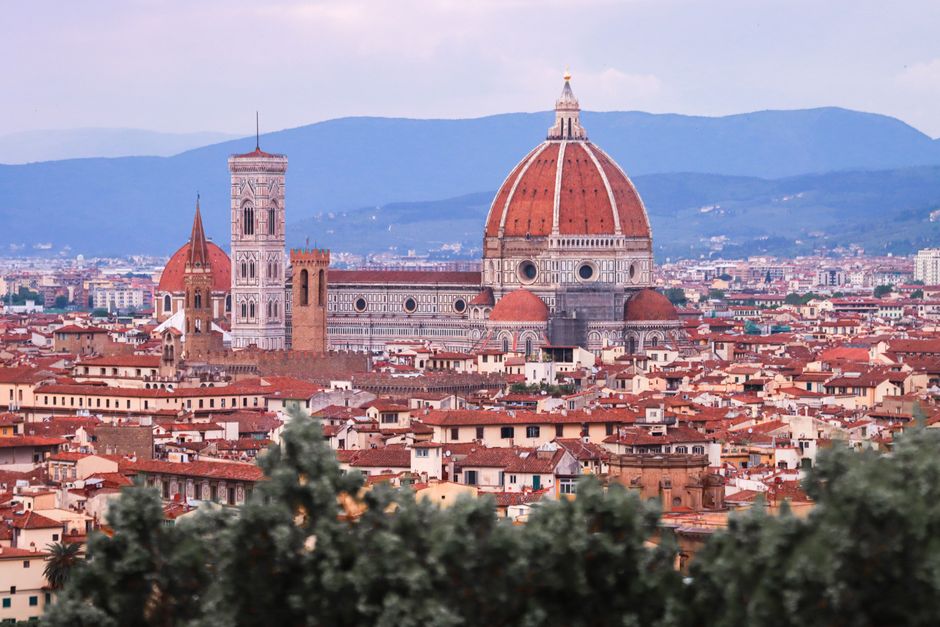
Rome is for the solo traveler who wants energy, constant movement, and a packed itinerary. You will meet people, wait in lines, and spend more money. Florence is for the solo traveler who wants depth without the chaos. You will walk everywhere, eat well alone, and see world-class art without losing your mind.
If you have 3 days or fewer, pick Florence. If you have 5 days or more, pick Rome. If you have a week, do both — take the 1.5-hour high-speed train between them and split your time 3 days in Florence, 4 in Rome.
The single most important takeaway: Florence is the better choice for first-time solo travelers who want a relaxed, affordable, and deeply rewarding introduction to Italy.