
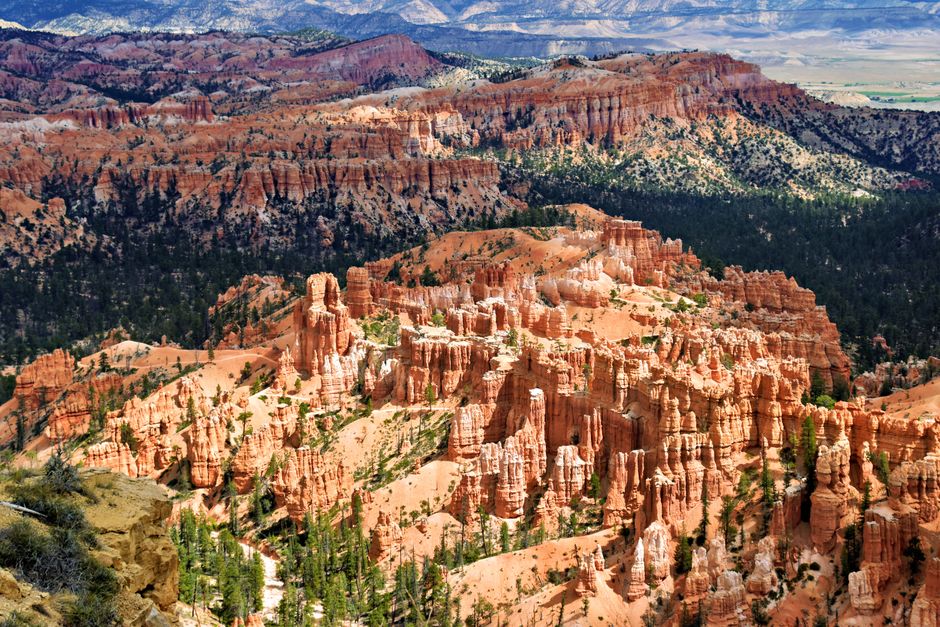
The Southwest doesn’t do subtle. The sky is bigger, the rock is redder, and the silence at 3 a.m. can feel almost aggressive. A standard hotel room with blackout curtains and a mini-fridge misses the entire point of being out there. Glamping in this region isn’t about thread count. It’s about location. The best setups put you directly inside the landscape without making you dig a cathole or sleep on a rock.
Most “best glamping” lists recycle the same five Instagram-famous spots. Some of those are worth it. Several are not. This list is built around one question: would I drive four hours out of my way to sleep here? If the answer wasn’t a clear yes, it didn’t make the cut.
Why Southwest Glamping Costs More Than a Hotel Room
You’re not paying for a bed. You’re paying for infrastructure in places that have none. Water has to be trucked in. Power comes from solar arrays or generators. Staff live on-site in housing that the owner also had to build. A single canvas tent at a quality operation can cost $40,000 to install once you factor in the platform, the HVAC, the plumbing rough-in, and the furniture. That’s before a single guest checks in.
This is why the price floor for legitimate glamping in the Southwest sits around $250 per night. Below that, you’re getting a Coleman tent with a futon inside and a shared porta-potty. That’s fine for a music festival. It’s not what you’re booking for an anniversary.
What the $250–$500 Range Actually Gets You
- A real bed with actual bedding, not a sleeping bag on a cot
- Climate control — either a wood stove, a propane heater, or in some cases mini-split AC
- A private bathroom. This is the single biggest cost driver and the biggest quality separator
- Hard flooring, not dirt
- Some form of weather sealing that keeps dust and bugs out
What It Doesn’t Get You
Soundproofing. Wi-Fi that works for video calls. Blackout darkness at 5:30 a.m. when the sun hits the canvas. If you need any of those three things, book a hotel in Moab or Sedona and drive into the backcountry during the day. Glamping is a trade. You give up hotel predictability for landscape immersion. Know which one you actually want before you book.
The 10 Stays, Ranked by Location First
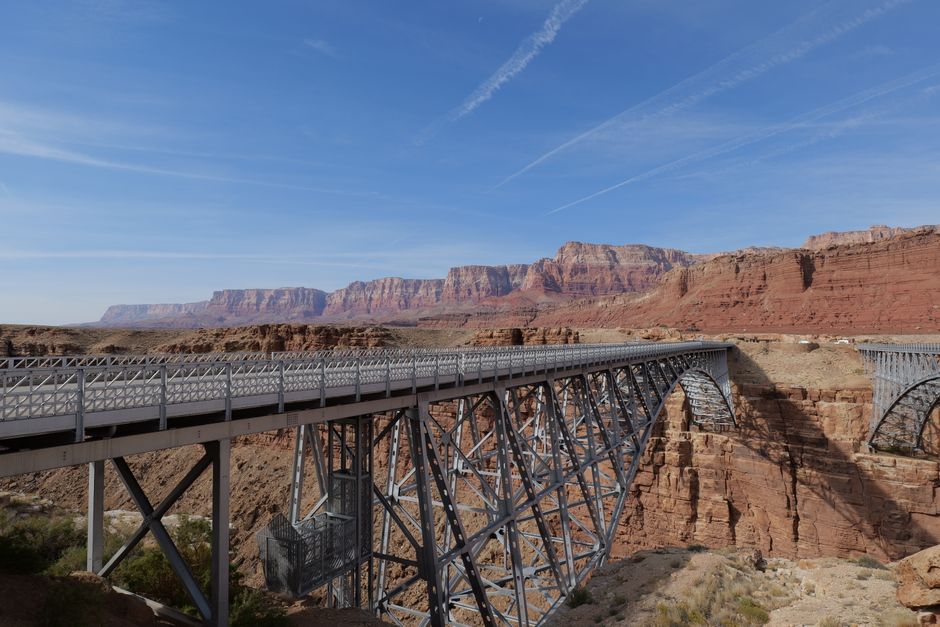
I’m ranking these by the quality of the surrounding landscape, not the thread count of the sheets. A perfectly nice tent in a mediocre location is a waste of money. A slightly rough-around-the-edges cabin on the rim of a canyon is worth every dollar.
| Stay | Location | Starting Rate | Best For | Book This Far Out |
|---|---|---|---|---|
| Camp Sarika at Amangiri | Canyon Point, UT | $3,500+ | Once-in-a-lifetime splurge | 6–12 months |
| Under Canvas Lake Powell | Big Water, UT | $299 | First-time glampers | 3–4 months |
| Ofland Escalante | Escalante, UT | $180 | Design-focused road trippers | 2–3 months |
| Shash Diné | Bellemont, AZ | $225 | Cultural immersion seekers | 1–2 months |
| El Cosmico | Marfa, TX | $150 | Creative types, festival-goers | 3–4 months for weekends |
| Collective Retreats Governors Island | New York Harbor | $350 | City escape without a car | 1–2 months |
| Backland | Williams, AZ | $400 | Families wanting private bathrooms | 3–4 months |
| Kestrel Camp | Taos, NM | $275 | Couples wanting quiet | 2–3 months |
| Zion Wildflower | Virgin, UT | $200 | Budget-conscious Zion visitors | 2–3 months |
| Hotel Luna Mystica | Taos, NM | $85 | Vintage trailer enthusiasts | 1–2 months |
Two things jump out. First, the price spread is enormous — from $85 to $3,500. Second, the booking windows are not suggestions. The best spots in spring and fall sell out the way concert tickets sell out. If you’re reading this in March and hoping to book Under Canvas for Memorial Day weekend, you’re already too late.
What Separates a $200 Tent From a $500 One
Bathroom access. That’s the whole answer, really.
At the $200 level, you’re walking to a shared bathhouse. It might be a very nice bathhouse with heated floors and rainfall showers. But you’re still putting on shoes and a jacket at 2 a.m. to pee. At the $400–$500 level, you get a private en-suite bathroom attached to your tent. For a lot of people — especially anyone over 40, anyone with kids, anyone who drinks water before bed — that’s worth the extra $200. No contest.
The other differentiator is climate control. Cheaper tents rely on passive cooling and a small space heater. Expensive setups install mini-split systems that can hold 68°F inside when it’s 95°F outside. In July in southern Utah, that’s not a luxury. That’s survival.
If you’re booking for summer, do not cheap out on the tent. The desert doesn’t care about your budget. A canvas tent without active cooling becomes an oven by 9 a.m. You’ll be awake, sweating, and furious by 7:30.
Seasonal Reality Check: When NOT to Book
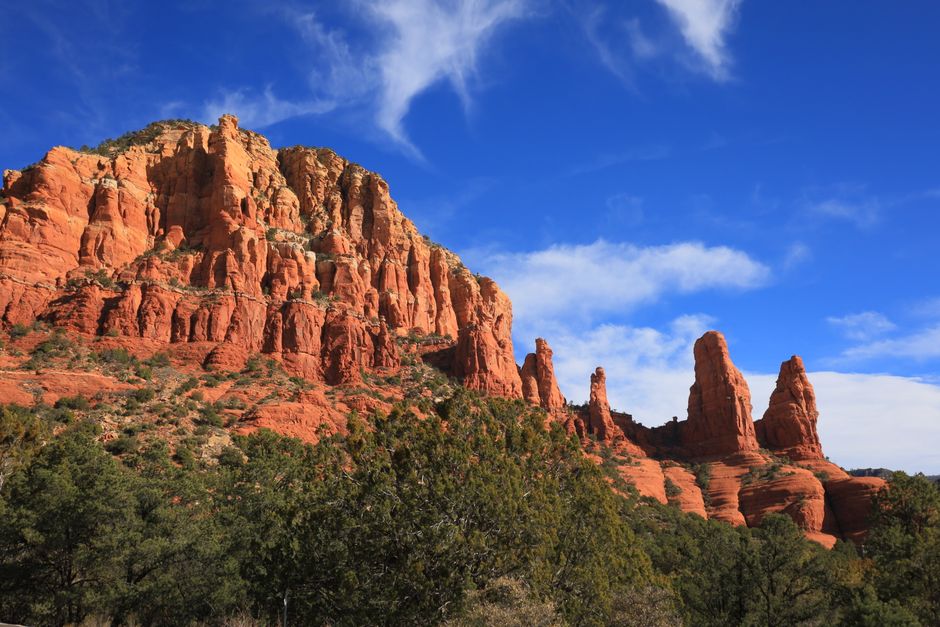
Here’s the thing nobody puts in the Instagram caption: the Southwest has two pleasant seasons and two miserable ones. The pleasant seasons are late March through May, and late September through early November. The miserable ones are June through August, and December through February.
Summer in the low desert — think Phoenix, Tucson, Joshua Tree, Lake Powell — is genuinely dangerous. Temperatures hit 110°F regularly. Even with AC, you won’t want to hike after 10 a.m. Your entire day becomes an exercise in hiding from the sun. You’re paying $400 a night to sit inside a tent and watch Netflix on your phone. Book a hotel with a pool instead. It’s cheaper and more honest about what you’re actually doing.
Winter is the opposite problem. High desert locations like Taos, Flagstaff, and Escalante drop into the teens at night. Canvas tents with propane heaters can manage it, but you’ll burn through a 20-pound tank in two nights. The heater will cycle on and off all night. The noise will wake you up. If you’re a light sleeper, winter glamping is a form of self-punishment.
Book for the shoulder seasons. April and October are the sweet spot. Warm days, cool nights, fewer crowds, lower rates than peak summer at most properties.
Gear That Actually Matters for Glamping
You don’t need much. That’s the point of glamping. But a few items make the difference between a good night and a bad one.
First: a headlamp. Even at luxury properties, the path from your tent to the fire pit or bathhouse is dark. Your phone flashlight works, but it drains battery and you’ll drop it in the dirt. A basic Black Diamond Spot 400 costs $40 and weighs nothing. Throw it in your bag and stop thinking about it.
Second: earplugs. Canvas walls don’t block sound. You will hear coyotes. You will hear wind. You will hear your neighbors having a very good time at 11 p.m. A $5 pair of foam earplugs solves all of it. I like the Mack’s Ultra Soft ones because they don’t make your ears ache after six hours.
Third: a power bank. Most glamping tents have limited outlets, and some have none at all. A Anker PowerCore 10000 ($25) keeps your phone alive for two full days. Bring a 10-foot charging cable too. The outlet is never where you want it to be.
That’s it. Everything else the property provides. Don’t overpack for glamping. That’s the entire reason you’re paying someone else to set up the tent.
The Verdict: Book This One First
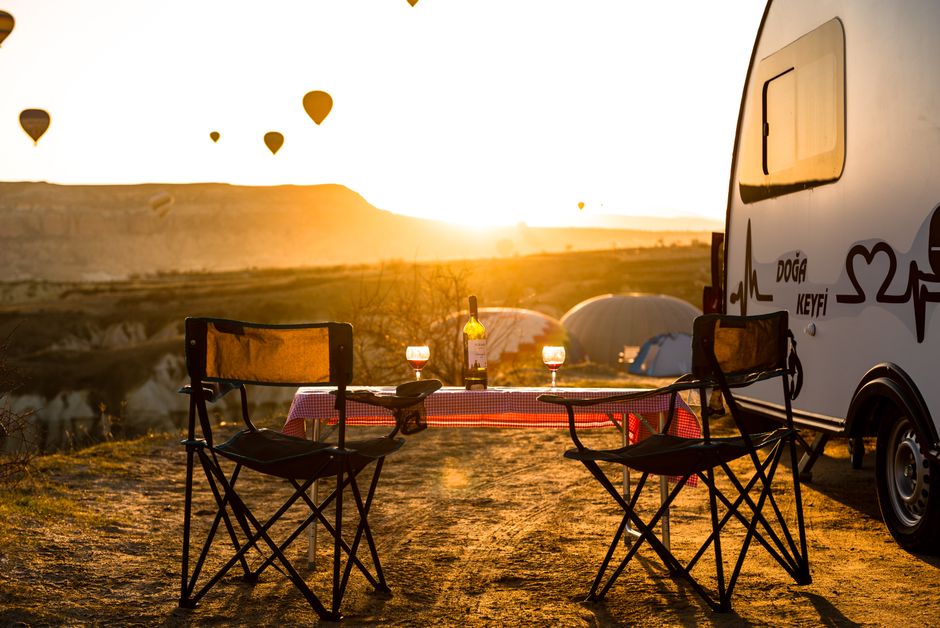
If you’ve never glamped before and you want the highest probability of a great first experience, book Under Canvas Lake Powell. It’s the most polished operation in the Southwest at a price that doesn’t feel like a mortgage payment. The tents are clean, the beds are comfortable, the bathrooms are shared but excellent, and the location puts you 20 minutes from one of the most surreal landscapes in the country. You’ll know after one night whether glamping is for you.
If you already know you love it and you want the best thing out there, save up for Camp Sarika. It’s absurdly expensive. It’s also the best glamping experience in North America by a wide margin. The tents are architectural, the spa is world-class, and the surrounding desert feels like another planet. Book it for a milestone anniversary and don’t look at the final bill.
Skip anything under $150 a night. At that price, you’re not glamping. You’re camping with extra steps.