
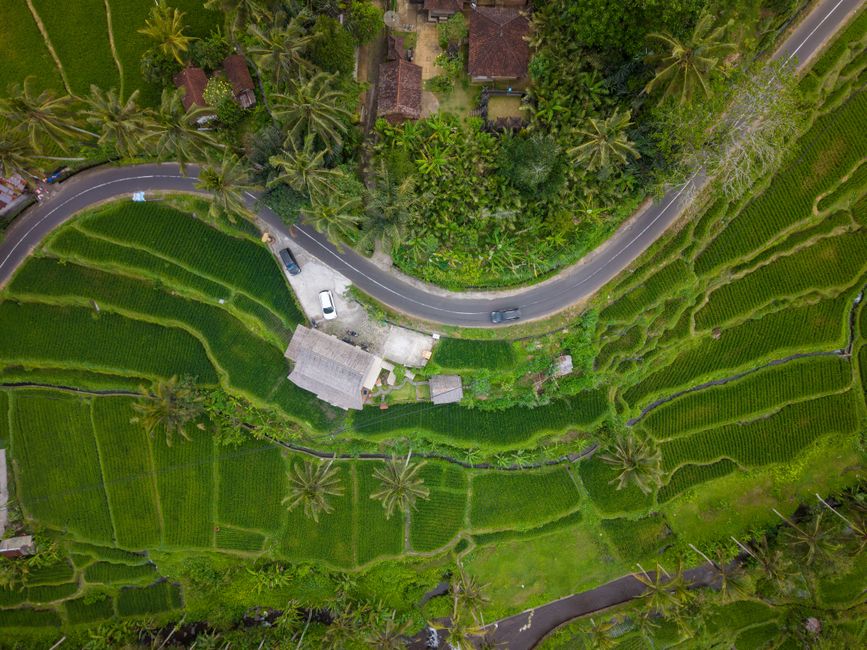
Want a week in Bali that feels like a holiday instead of a traffic-management exercise? Skip the plan that stuffs Seminyak, Ubud, Nusa Penida, Uluwatu and Mount Batur into seven days. Bali looks compact on a map, but a 30-kilometre journey can take two hours when traffic, ceremonies and narrow village roads collide.
This route uses three bases: Sanur for arrival, Ubud for culture and inland scenery, and Sidemen for rice fields and a quieter version of Bali. It also builds in the dates and fees that catch visitors off guard in 2026. The best trip is not the one with the most check-ins. It is the one that leaves enough time to see a place properly.
How to Split Seven Days Across Bali
The strongest seven-day plan gives each area at least two nights. That cuts down on hotel changes and keeps you from burning half a day in a car. Sanur works well at the start because it is close to the airport, walkable by Bali standards and calmer than Kuta or Seminyak. Ubud adds temples, markets, galleries and forest walks. Sidemen gives you the rural landscapes many visitors expect from Bali but rarely reach.
The route that works
| Day | Base | Plan | Realistic travel time |
|---|---|---|---|
| 1 | Sanur | Arrive, check in, walk the beachfront, eat near Sindhu Market | 30–60 minutes from the airport |
| 2 | Sanur | Early beach walk, Sanur lanes, nearby mangroves or a slow afternoon | Local trips under 45 minutes |
| 3 | Ubud | Transfer inland, stop at Goa Gajah or a village craft area, explore central Ubud | 1–2 hours |
| 4 | Ubud | Choose one early outing: Sangeh, Campuhan Ridge Walk or a north Ubud waterfall | 30–90 minutes each way |
| 5 | Sidemen | Transfer through east Bali, check in, take a rice-field walk | 1.5–2.5 hours |
| 6 | Sidemen | Pick Taman Ujung, Tirta Gangga or Virgin Beach; do not force all three | 1–2 hours each way |
| 7 | Sanur or airport area | Return south, leave luggage, take a final swim or depart | 2–3.5 hours from Sidemen |
What the week should cost
For two people sharing a clean mid-range room, plan roughly IDR 1,200,000–2,500,000 per day for accommodation, meals and local transport. A private driver usually costs about IDR 700,000–900,000 for an eight-to-ten-hour day before entrance fees and parking. A scooter costs less, but it is a poor choice for long transfers if you are not already confident on Indonesian roads.
Foreign visitors also face a one-time Bali tourist levy of IDR 150,000 per person. Pay it through the official Love Bali system and keep the QR receipt. It is not a daily charge, and a random person on the street cannot replace the official payment record.
Days 1–2: Start in Sanur, Not Seminyak

Sanur is the right opening base for this itinerary. Seminyak has more nightlife and design-led restaurants, but it gives arriving visitors traffic, beach touts and inflated prices before they have even adjusted to the heat. Sanur is easier to read. The beachfront path is flat, the sea is usually calmer, and you can recover from a flight without spending your first evening trapped in a car.
Day 1: Keep arrival day deliberately boring
After immigration and baggage collection, allow at least one hour before leaving the airport. With a checked bag, two hours is safer during busy periods. Use a pre-booked transfer or the airport’s official taxi desk. Avoid accepting a ride from someone who approaches you inside the terminal with a vague price and no written destination.
Check into Sanur, drink water and walk north or south along the beachfront path. The route between Sindhu Beach and Mertasari is easy to break into short sections. Stop for dinner near Sindhu Market, where local food costs less than the beach clubs. Do not schedule a sunset temple ceremony or a late airport pickup on this night. Your flight delay has already made the schedule unreliable.
Day 2: See the useful side of Sanur
Start with a beach walk before 8 a.m., when the heat is manageable and the path is less crowded. Sanur is not Bali’s best swimming beach at low tide, so do not judge it by a single midday visit. The reef and tidal flats shape the coastline. For swimming, use a marked area and ask your hotel about current conditions.
Spend the middle of the day in the shaded lanes behind the beach. Look for small warungs, independent galleries and family-run shops instead of moving from one polished café to another. If you want a short nature stop, visit the mangrove area near Benoa, but check opening times and transport before leaving. The hidden-gem rule here is simple: choose one nearby experience and give it three hours. A list of five stops creates a hot, expensive taxi loop.
Skip Kuta unless you specifically want its nightlife or shopping. Skip a rushed beach-club crawl too. Sanur earns its place because it lowers the pressure at the beginning of the trip.
Days 3–4: Do Ubud Without the Queue
Ubud is not one attraction. It is a spread-out district with a busy centre, rice-growing villages, river valleys and roads that slow dramatically after rain. Treating it like a walking town is the fastest way to waste a day. Use the centre for short visits and spend most of your time in one outer area.
- Leave Sanur after breakfast. Aim for 8:30 a.m., not noon. The drive may take an hour or more, and early departure gives you time for one stop on the way.
- Pick one cultural stop. Goa Gajah works well on the transfer route. If you prefer crafts, choose a single village workshop or gallery rather than buying a packaged “Bali arts tour” with five compulsory stops.
- Check in before chasing viewpoints. Drop your bags, eat lunch and ask the accommodation about local ceremonies. A temple procession can close a road without much warning.
- Walk early on Day 4. Campuhan Ridge Walk is best before the sun gets high. Start early, carry water and expect uneven paths after rain.
- Choose a quieter afternoon. Sangeh Monkey Forest is a better choice for visitors who want a forest and temple setting with less pressure than central Ubud’s busiest monkey attractions. Keep food and loose items inside your bag.
- Book one evening activity. A dance performance, a cooking class or a good local restaurant is enough. Ubud becomes tiring when every hour has a reservation.
The Ubud mistakes that look efficient
The worst plan is a driver itinerary that promises Tegenungan Waterfall, Tegallalang, central Ubud, a coffee plantation, a temple and a sunset dinner in one day. The stops are not close enough for that schedule to feel human. You will spend the day loading and unloading beside tour buses.
Tegallalang is worth visiting for its terraces, but go early and understand what you are paying for. Some paths include informal donation requests or separate charges for swings and photo platforms. You do not need to buy a swing ticket to enjoy the landscape. The same applies to coffee plantations: ask if the tasting is complimentary, paid, or tied to a sales pitch before you sit down.
How to choose a driver or scooter
For a first Bali trip, use a private driver on the transfer and sightseeing days. Agree on the hours, route, overtime rate and whether parking is extra before setting off. A scooter is sensible only for short, familiar routes in dry weather. Do not rent one for the first time in central Ubud, where pedestrians, dogs, ceremonies and sudden turns create a bad learning environment.
Days 5–6: Choose Sidemen Over a Fake Hidden Gem
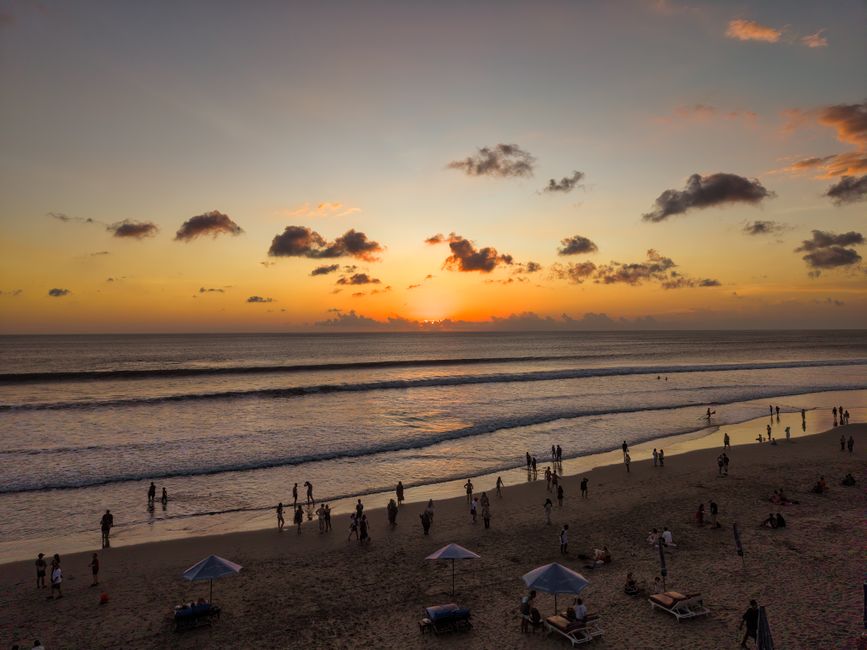
Sidemen is the best base for a quieter two-day section. It has working rice fields, mountain views and small roads that still feel connected to village life. It is not untouched, and anyone promising “secret Bali” is selling a phrase. The value is lower density, not total isolation.
Is Sidemen worth the transfer?
Yes, if you want landscapes and slower mornings. The transfer from Ubud normally takes around 1.5–2.5 hours, depending on the route and local traffic. Leave after breakfast, check in and take a guided village or rice-field walk in the late afternoon. A local guide adds context and helps keep visitors off planted fields and away from household compounds.
Stay somewhere with a clear transport plan. Many scenic guesthouses sit far from restaurants, and an inexpensive room can become expensive if every meal requires a long car ride. Ask about road access during rain, hot water, Wi-Fi and the last available dinner order before booking.
Which east Bali day trip should you choose?
Choose one main destination. Taman Ujung is the strongest pick for architecture, water gardens and a less frantic visit. Tirta Gangga is attractive but often crowded, especially around the famous stepping stones and fish ponds. Virgin Beach makes sense if you want sand and swimming conditions are safe. Trying to cover all three leaves you looking at them through a car window.
What is the real tourist trap in Sidemen?
The trap is turning a rural stay into a photo scavenger hunt. Do not walk through private yards, block narrow lanes for pictures or treat farmers working in a field as scenery. Also watch for “free” village tours that end at a shop where the pressure begins. Ask for the total price at the start and pay a fair local guide directly.
Should you add Mount Batur?
Not on this seven-day route. Mount Batur can be a good hike, but the usual overnight transfer, early start and return journey consume a large part of two days. Add it only by replacing Sidemen or one Ubud day. Do not bolt it onto the itinerary because an online schedule makes the distance look short.
Day 7: Leave Room for Traffic and One Last Choice

The final verdict is blunt: do not plan a distant attraction on departure day. Return from Sidemen to Sanur or the airport area with at least five hours between your expected arrival and an international flight. Use the spare time for lunch, a shower or a short beach stop. If your flight leaves after 9 p.m., Uluwatu can work, but only with a private car, a firm airport departure time and no expectation of seeing every cliff-top viewpoint.
- Leave Sidemen by 8 a.m. for an afternoon or evening flight.
- Keep passports, medication and electronics in your day bag, not checked luggage.
- Pay the IDR 150,000 levy before reaching the airport if you are a foreign visitor and save the QR code offline.
- Check the traffic map before accepting a final massage, meal or beach detour.
- If travelling around Nyepi on March 19, 2026, change the whole plan. Bali’s airport, roads and transport services close from 6 a.m. on March 19 until 6 a.m. on March 20. Visitors must remain at their accommodation and keep noise and lighting low.
What to pack for this route
Keep luggage practical. The Osprey Farpoint 40 is a 40-litre carry-on-sized pack that handles hotel changes and uneven paths better than a large wheeled case. For charging on long drives, the Anker 325 PowerCore 20K offers a 20,000mAh battery, while the lighter Nitecore NB10000 Gen 3 weighs about 150 grams and suits day walks. A Sea to Summit Ultra-Sil Dry Bag 13L is useful during sudden rain and boat transfers, though a basic waterproof bag works just as well.
Those are packing examples, not reasons to shop. Bali’s best itinerary is built around short transfers, early starts and enough empty space to respond when weather, ceremonies or traffic change the day.
Plan three bases—Sanur, Ubud and Sidemen—and you will see more of Bali than a rushed loop through its most advertised attractions.