My honest verdict is yes, but Morocco is not a destination for careless solo travel. The biggest daily risks are unwanted attention, petty theft, scams, poor road safety, and getting lost after dark; official advisories also warn about terrorism and specific border regions.
What the 2026 travel advisories actually say
Morocco is open to travelers, but it is not risk-free
As of September 2026, the U.S. Department of State rates Morocco Level 2: exercise increased caution because of terrorism. Canada advises travelers to exercise a high degree of caution for the same reason. The UK warns that attacks could target crowded places, transport hubs, tourist sites, and locations popular with foreign visitors.
Those ratings do not mean a normal tourist itinerary is off limits. They mean you should pay attention, avoid demonstrations, keep your plans flexible, and understand the difference between tourist areas and remote regions. Morocco has strong security services, but no government can predict every incident.
The border warning matters more than most city travelers realize
Do not treat the Algeria border, parts of Western Sahara, or the militarized Berm as casual extensions of a Marrakech trip. Canada advises avoiding the area within 20 kilometers of the Algeria border and several Western Sahara border zones. A first solo visit is safer when it stays on established routes between cities, coast, and well-used mountain destinations.
Verdict: Morocco is reasonable for a prepared solo traveler who stays alert. It is a poor choice for someone planning isolated hikes, late-night wandering, or improvised border travel.
Where solo women face the most friction
Harassment is more common than serious violence
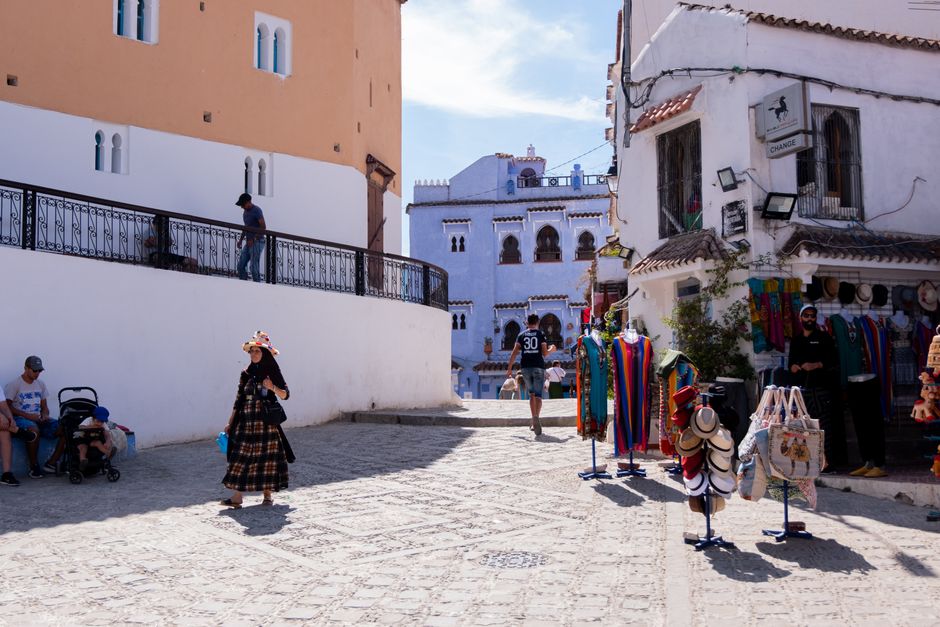
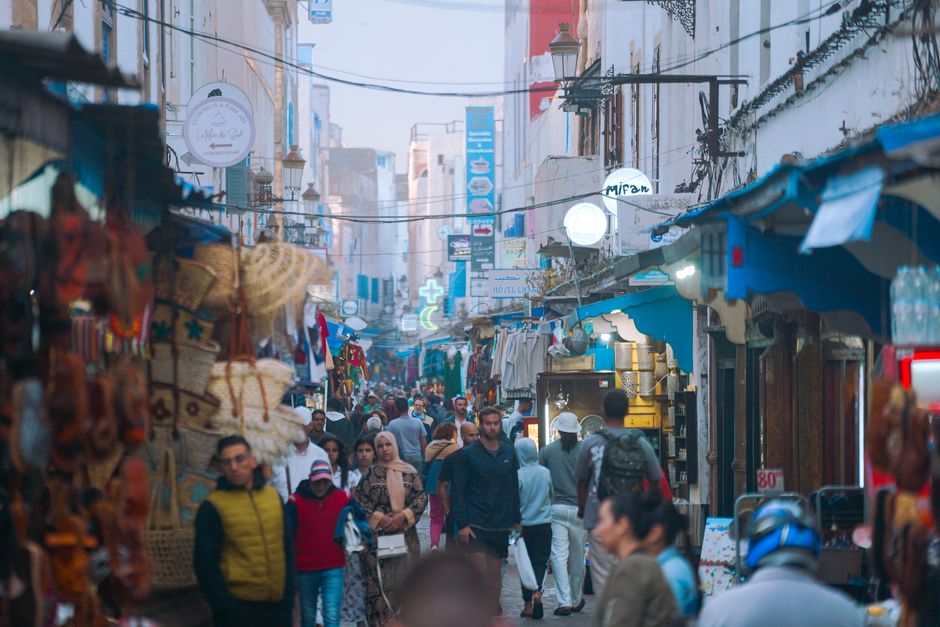
Women traveling alone may receive unwanted attention or verbal comments, especially in busy medinas, markets, transport areas, and beaches. That can mean persistent sales pitches, intrusive questions, following, or attempts to steer you toward a shop or unofficial guide. Most encounters end when you give a firm no and move toward a staffed hotel, café, museum, or police post, but the experience can still feel exhausting.
Loose clothing covering the shoulders and knees usually reduces attention and shows respect for local customs. It will not stop every comment, and clothing is never a guarantee of safety. The practical goal is to reduce avoidable friction while keeping your focus on the route.
Medina scams work because confusion is profitable
Unofficial guides may claim that a street is closed, a hotel is impossible to reach, or a famous attraction requires a special escort. Some then demand money or lead visitors to shops. Ask your riad to send a driver or official guide, use the address saved offline, and do not follow a stranger simply because they sound confident. If you hire a guide, use one with an official badge and confirmed permission.
Transport and night streets deserve a strict rule
Avoid quiet streets after dark, keep your phone out of sight while walking, and use a prearranged taxi or reputable transfer after late arrivals. Road accidents are frequent, and night driving on mountain or secondary roads adds another layer of risk. For a first trip, arriving before sunset is worth more than saving a small amount on a late transfer.
A safer Morocco plan from landing to bedtime
Use this five-part arrival routine
- Book the first night. Choose a riad, hotel, or guesthouse with recent reviews, a staffed reception, and a clear address. Send your arrival time and flight number before leaving home.
- Arrange the first transfer. Ask the property for a named driver or use the official airport taxi process. Do not accept unsolicited offers in the arrivals hall.
- Share one live plan. Send your accommodation address, intercity route, and expected arrival time to a trusted contact. Check in when plans change, not only once per day.
- Keep a daylight bias. Explore unfamiliar medina lanes, viewpoints, and transport connections while shops and public services are open. Use evenings for busy, well-lit areas close to your accommodation.
- Keep an exit option. Carry enough cash for a taxi, keep your passport secure, and know the local emergency numbers: police 190, gendarmerie 177, and ambulance or fire 150.
What to do when someone will not leave you alone
Do not debate your itinerary or reveal where you are staying. Use a short, firm phrase such as “No, thank you,” keep walking toward people, and enter a hotel or shop if necessary. Call your accommodation rather than allowing a stranger to guide you. If someone follows you, do not walk directly to your room; ask staff for help and describe the person clearly.
For remote treks, book a licensed guide and avoid hiking alone. Mountain weather can change quickly, phone coverage can disappear, and a navigation mistake becomes more serious when nobody knows your route.
What to carry, and which safety products are worth the money
The useful kit is small, boring, and easy to reach
Skip bulky “survival” gadgets. A low-profile money pouch, a charged phone, backup power, copies of documents, and a basic first-aid kit solve more likely problems. Prices below are typical U.S. list prices and can change; none requires an affiliate purchase.
| Product | Useful specification | Best use | Typical price |
|---|---|---|---|
| Pacsafe Coversafe S25 | RFID-blocking hidden neck wallet | Passport and backup card storage | About $39.95 |
| Apple AirTag | Bluetooth location tag with replaceable battery | Tracking a checked bag or daypack | $29 |
| Anker Nano Power Bank 10,000mAh | Up to 30W USB-C output | Keeping a phone charged during long transfers | About $49.99 |
| Garmin inReach Mini 2 | Two-way satellite messaging and SOS | Remote mountain or desert travel | About $399.99 plus subscription |
What not to buy
Do not buy a loud personal alarm as your only safety plan, and do not assume a tracker can call emergency services. An AirTag depends on nearby Apple devices and is not real-time GPS. The Garmin inReach Mini 2 is useful only when its subscription is active and you have tested the messaging process. This is not financial advice; it is a reminder to compare the cost of equipment with the route you are actually taking.
Best value: a hidden pouch plus a 10,000mAh power bank. For a normal city itinerary, the satellite communicator is overkill. For an isolated multi-day trek, it is the one product on this list that can justify its price.
Should you travel alone in Morocco in 2026?
Is Marrakech safe for a first solo trip?
Yes, if you stay in a well-reviewed property, arrange your first transfer, and treat the medina as a crowded navigation problem rather than a place to wander aimlessly at midnight. Marrakech offers plenty of tourist infrastructure, but busy streets also attract pickpockets, unofficial guides, and persistent sellers.
Should you avoid Morocco if you dislike confrontation?
Probably. Morocco rewards travelers who can say no clearly, ignore sales pressure, and leave an uncomfortable interaction without worrying about appearing rude. You do not need to be aggressive, but you do need a firm boundary. If repeated attention would make the trip miserable, a small-group tour or trusted local guide is the better choice.
My final safety call
Morocco is safe enough for a solo female traveler who plans the first 48 hours, travels mostly in daylight, dresses with local norms in mind, protects her belongings, and avoids remote border areas. It is not the place to prove that you can improvise every detail. The strongest plan is simple: use official transport, stay connected, keep your route visible to someone at home, and leave any situation that feels wrong before it becomes a larger problem.