You’ve been googling Scotland flights and accommodation for three days. The numbers don’t add up. Hostels in Edinburgh hit £45 a night during summer. A hire car to reach the Highlands runs £60-80 per day before fuel. Even the so-called budget results look like a stretch. You start wondering whether Scotland is really as affordable as people claim.
It isn’t — not in August, and not the way most first-timers plan it. Take those two variables out and Scotland looks like a completely different destination.
Why Scotland Gets a Price Reputation It Doesn’t Deserve
Most of what drives Scotland’s expensive reputation traces back to the Edinburgh Festival Fringe, which runs through August each year. During that single month, hostel dorms that cost £22 in May reach £45-50. Hotels triple. Restaurants add cover charges. The city becomes an extraordinary cultural event and a genuinely bad time to travel on a tight budget.
The hire car assumption compounds this. Almost every guide defaults to recommending a self-drive holiday — particularly the North Coast 500, a 516-mile driving route around northern Scotland. What these articles omit: a week’s hire car with full insurance and no excess regularly runs £400-600. Add fuel on remote Highland roads and a couple from London can spend £700-900 on transport alone before they’ve eaten a single meal.
The third misunderstanding is about accommodation search defaults. Booking.com and Hotels.com surface hotels first. Switch the filter to hostels, or search directly through the SYHA (Scottish Youth Hostel Association) at syha.org.uk — they run hostels across the Highlands for £20-28 per dorm night in genuinely spectacular locations that hotels can’t match at any price.
Scotland looks expensive if you plan it the way most travel content suggests. It doesn’t look expensive when you plan it the way experienced backpackers actually do it.
Bottom Line: The expensive reputation is almost entirely a function of August prices and hire car defaults. Neither is unavoidable.
What Scotland Actually Costs: A Realistic Budget Breakdown
| Category | Backpacker (£/day) | Mid-Budget (£/day) | Comfort Traveler (£/day) |
|---|---|---|---|
| Accommodation | £18-28 (hostel dorm) | £45-75 (guesthouse) | £80-130 (hotel) |
| Food | £12-20 (supermarket + 1 café meal) | £25-38 (2 meals out) | £45-60 (restaurant dining) |
| Transport | £5-12 (buses, walking) | £15-28 (train/bus combo) | £30-50 (train + taxis) |
| Attractions | £0-8 (mainly free) | £8-18 (1-2 paid entry) | £18-30 (multiple sites) |
| Daily Total | £35-68 | £93-159 | £173-270 |
The backpacker column is realistic, not optimistic. Scotland has more quality free attractions than almost anywhere in northern Europe. The National Museum of Scotland charges no entry fee. The Scottish National Gallery — home to works by Velázquez, Raphael, and Rembrandt — is free. Arthur’s Seat costs nothing to climb. Loch Lomond National Park costs nothing to enter.
Under Scotland’s Right to Roam legislation, you can legally walk, cycle, and wild camp on most land in the country without paying access fees. That single law changes the budget calculus compared to most other European destinations where hiking on private land requires permits or is simply prohibited.
Paid attractions worth budgeting by name: Stirling Castle costs £16 per adult. Edinburgh Castle is £18. Skara Brae in Orkney runs £9. These are specific line items — not a vague allowance for sightseeing. Budget them individually and the total stays manageable.
Self-catering drops food costs significantly. Most SYHA hostels have fully equipped kitchens. A week of grocery shopping from Lidl or Aldi — genuinely the cheapest supermarket options in Scotland — runs £35-50 for one person eating reasonably well. Combine supermarket dinners with a bakery lunch and you’re at £15-18 a day on food without feeling like you’re compromising.
Bottom Line: A week in Scotland costs £350-475 on a backpacker budget, flights excluded. Mid-budget travelers should plan for £700-1,000. These numbers hold outside August and without a hire car.
Getting Around Scotland Without Paying Hire Car Prices
This is where most budget Scotland advice collapses. Guides either tell you to rent a car or vaguely suggest public transport exists without explaining how it actually works. Here’s the real system.
ScotRail: The Backbone of Scottish Rail Travel
ScotRail covers Edinburgh, Glasgow, Stirling, Perth, Dundee, Aberdeen, and Inverness, plus scenic lines to Kyle of Lochalsh (the mainland gateway to Skye) and Oban. Edinburgh to Glasgow runs £13-15 on a standard single. Edinburgh to Inverness is £40-55 without a railcard, dropping to £27-37 with a 16-25, 26-30, or Senior Railcard. The Highland Main Line through Pitlochry and Blair Atholl is one of the most scenic rail journeys in Britain — and costs the same as a bus ticket.
ScotRail’s Spirit of Scotland pass gives unlimited rail travel for £199 (4 consecutive days) or £299 (8 consecutive days). If your itinerary includes Inverness, Kyle of Lochalsh, and Oban in the same trip, the pass math works in your favor versus buying individual tickets.
Citylink and Megabus: Cheap City-to-City Connections
Scottish Citylink buses connect Edinburgh, Glasgow, Stirling, Perth, Inverness, and Fort William. Edinburgh to Glasgow by Citylink runs £6-14. Edinburgh to Inverness takes 3.5 hours and costs £15-25. Book at least a week ahead and the lower end of those ranges is consistently achievable.
Megabus operates on the same routes at lower prices for advance bookings. Edinburgh to Glasgow has appeared for £2. Edinburgh to Inverness for £9. Not luxury coaches — standard intercity buses. But for a budget traveler willing to sit for three hours, they’re the cheapest way between Scottish cities, full stop.
The Caledonian Sleeper: The Overnight Train Worth Considering
If you’re traveling from London, the Caledonian Sleeper overnight train deserves serious consideration. Seat reservations start from £35. Private cabins run £80-130. The math: you save a night’s accommodation, you arrive in Inverness or Fort William at 8am without losing a travel day, and you wake up in the Highlands. Once you add airport transport and baggage fees to a budget airline ticket, the sleeper frequently comes out cheaper than flying — and you arrive rested.
What Actually Requires a Car
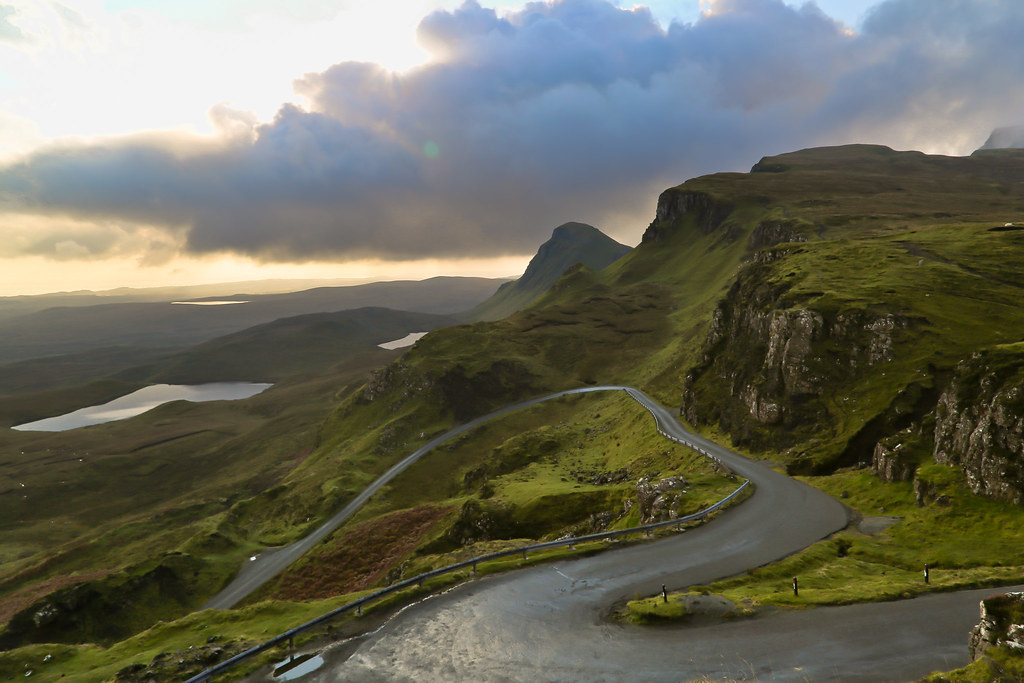
Some Highland locations don’t work on public transport. The Quiraing on Skye, Glenfinnan Viaduct on foot, Torridon, Applecross Pass — buses get you to the nearest town, not the specific viewpoint. The honest answer: book a guided day trip from Inverness or Fort William. Rabbie’s Trails and Highland Experience both run day tours to the most photographed Highland spots for £35-55. That’s cheaper than one day’s hire car before fuel and insurance.
Bottom Line: ScotRail and Citylink handle Edinburgh, Glasgow, Stirling, and Inverness comfortably. Guided day tours handle the photogenic Highland spots. A hire car is only worth it if you’re spending five-plus days in truly remote rural areas with no fixed itinerary.
Free Scotland: Seven Attractions That Cost Nothing
Not free in the way a supermarket sample is free. These are genuinely excellent, and several are the best things you’ll do in the country.
- National Museum of Scotland, Edinburgh — A world-class collection covering Scottish history, science, natural history, and global cultures across seven floors. Free entry, no booking required. Easily 3-4 hours. The rooftop terrace has one of the best unobstructed views in central Edinburgh.
- Arthur’s Seat — A 45-minute hike from the Royal Mile to the summit of an extinct volcano. Views over Edinburgh, the Firth of Forth, and on clear days the Pentland Hills beyond. Free. Go before 9am to have the summit to yourself.
- Scottish National Gallery, Edinburgh — Velázquez, Raphael, Titian, Rembrandt. Free entry, no queues. Most visitors don’t realize the quality of the collection until they’re standing in front of it.
- Kelvingrove Art Gallery and Museum, Glasgow — Free entry. Salvador Dalí’s Christ of Saint John of the Cross is displayed here. The Spanish Baroque building itself is worth the visit independently of the collection inside.
- Loch Lomond and The Trossachs National Park — Free to enter. Wild swimming in Loch Lomond is legal under Right to Roam legislation. The park is reachable by train from Glasgow in 45 minutes.
- The West Highland Way — A 96-mile long-distance route from Milngavie to Fort William. Walk any section you choose. The Rowardennan to Inverarnan stretch along Loch Lomond takes a full day and costs nothing beyond the bus fare to the start point (roughly £8-12 from Glasgow).
- Calton Hill, Edinburgh — 15 minutes on foot from Princes Street. Free. The views at sunset are better than Arthur’s Seat for significantly less effort. The unfinished National Monument — twelve columns of a would-be Parthenon, abandoned in 1829 when funds ran out — sits at the top.
Don’t Book Scotland in August
May, June, or September gives you comparable daylight hours and 30-50% lower accommodation prices across the board. The weather difference between June and August in Scotland is marginal — you’re not trading sunshine for savings. You’re trading festival crowds and inflated prices for a budget that actually works.
A 7-Day Scotland Itinerary for Under £500
This covers Edinburgh, a Stirling day trip, and two nights in Inverness using hostels, Citylink buses, and one guided Highland tour. Total excludes flights. Assumes travel in May, June, or September.
Days 1-3: Edinburgh (£125 total)
Base yourself at Smart City Hostel Edinburgh or St Christopher’s Inn — both central, both running £20-28 for a dorm bed. Three nights: approximately £68. Food for three days using supermarket breakfasts, a bakery lunch (Greggs does a sausage roll and hot drink for under £3), and one sit-down dinner each evening: around £45. Entry costs: zero if you spend your time at the National Museum, Scottish National Gallery, Calton Hill, and Arthur’s Seat. Budget £12 for one evening drink or spontaneous café stop.
Day 4: Stirling Day Trip (£35 total)
ScotRail return from Edinburgh: £13. Stirling Castle entry: £16. Lunch near the castle — a bakery sandwich and coffee runs £5-7. Back in Edinburgh for dinner. Total: £34-36 for one of the most historically significant sites in Scotland.
Days 5-6: Inverness and the Highlands (£165 total)
Citylink from Edinburgh to Inverness booked ahead: £18-22. Two nights at Inverness Student Hotel or Bazpackers Hostel: £44-50 total. One guided day tour to Loch Ness and the Black Isle, or Glen Affric through Rabbie’s Trails: £38-48. Meals for two days eating one supermarket meal and one café meal per day: £35. Inverness itself is small enough to walk entirely — the Victorian Market, the River Ness, and the red sandstone castle (free to view externally) fill a half-day without spending a pound.
Day 7: Return (£30 total)
Citylink or ScotRail back to Edinburgh: £18-25. Budget £8 for airport food and coffee. That’s it.
Running total: £355-390 for all accommodation, intercity transport, Stirling Castle entry, and one guided Highland tour. That leaves £110-145 for additional meals, drinks, and anything unplanned. The budget holds.
Cut the guided tour and substitute a free hike near Inverness — the trail along the Ness Islands takes two hours and costs nothing — and the total drops to £290-320. That’s the honest lower bound for seven days in Scotland with something genuinely worth seeing every day.
This is not financial advice. Prices reflect 2026 estimates and will vary by season, booking timing, and individual spending patterns.