
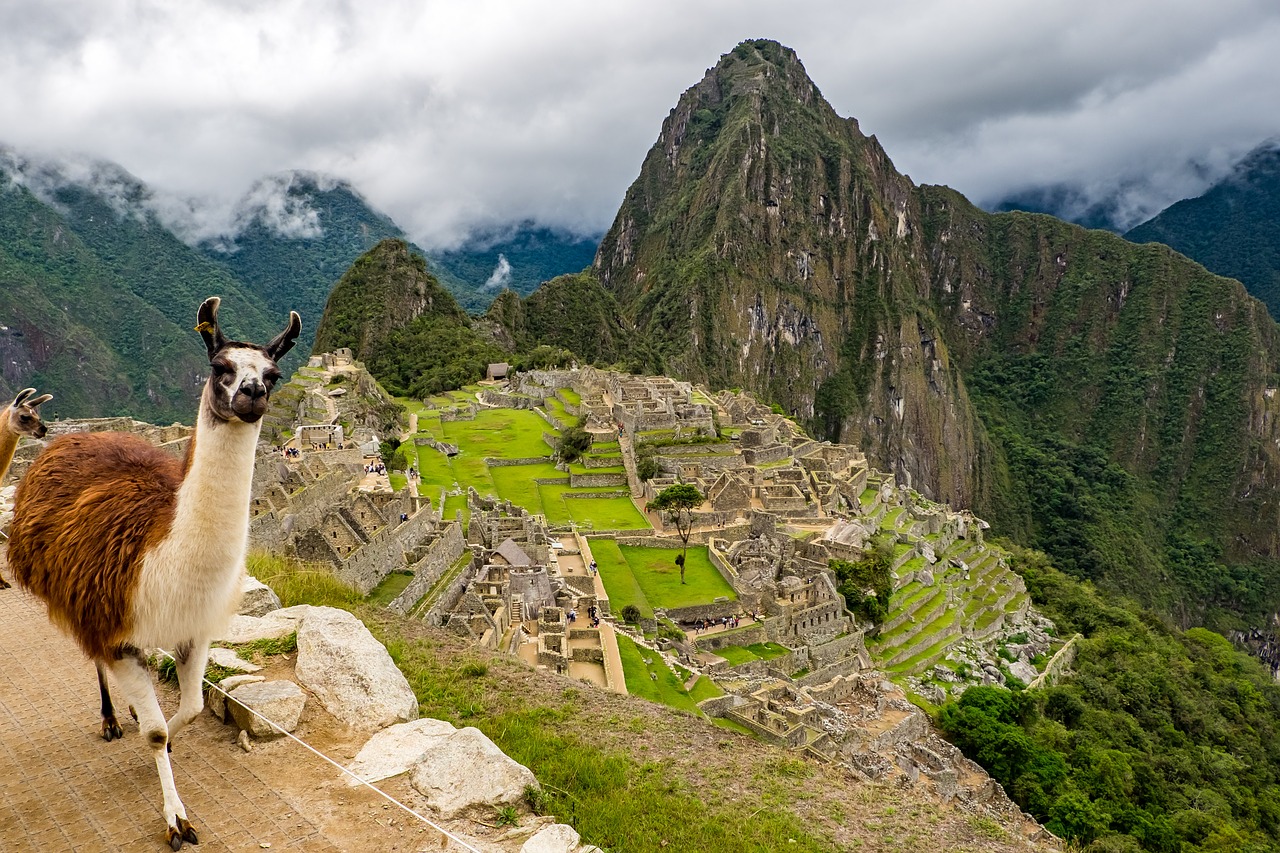
The single most important thing I can tell you: book at least 9 months out, and spend 3-4 days in Cusco before you set foot on the trail. Everything else is secondary. I learned this the hard way — waiting until April to book for October, watching the permit disappear while I refreshed the page. That trip didn’t happen.
The Inca Trail covers 43km through the Andes and tops out at 4,215m at Dead Woman’s Pass. It’s not technical climbing. But altitude, cold nights, and four consecutive days of elevation gain will expose every gap in your preparation. The trekkers who suffer are almost always the ones who underestimated the logistics before they ever laced up their boots.
Here’s what two attempts and a lot of conversations with other trekkers actually taught me.
Permits, Operators, and When to Book
The permit cap is 500 people per day total — guides, porters, and trekkers combined. The actual trekker quota sits around 200-250 per day. June through August books out 10-12 months in advance. I’ve talked to people who started searching in March for July departures and found nothing left.
You cannot buy a permit independently. It must go through a licensed operator, who registers your passport details with Peru’s Ministry of Culture. Three operators I’ve used or researched thoroughly: G Adventures, Intrepid Travel, and Inca Trail Reservations. G Adventures runs their Classic Inca Trail trip at around $1,100-1,300 USD all-in — permit, camping, meals, and porter service for your main duffel bag. Intrepid is comparable in price with slightly smaller group sizes. Inca Trail Reservations is a Peru-based operator that sometimes has access to last-minute cancellation permits when peak-season spots have otherwise dried up.
The trail closes every February for annual maintenance. Your window is March through January.
| Season | Months | Conditions | Permit Availability |
|---|---|---|---|
| High season | June–August | Dry, clear, very crowded | Books out 10-12 months ahead |
| Shoulder (ideal) | May, September–October | Mostly dry, fewer trekkers | Books out 6-9 months ahead |
| Rainy season | November–April | Wet, muddy, lush vegetation | Easier to book; trail harder underfoot |
| Closed | February | Annual maintenance | No permits issued |
Which season is actually worth targeting?
May or September. You get dry weather and roughly 30% fewer people on the trail than you’d see in July. The difference in crowd density at the Sun Gate is significant — I’ve been there in June and in September, and the September experience wasn’t even close. The orchids are also in bloom in late rainy season (March-April) if you can handle the mud and slick stone steps.
Should you pay more for a premium operator?
Budget operators run $500-700. Premium is $800-1,200+. The gap mostly shows up in food quality, camp setup speed, and how the porter team is treated. Porter wages and weight limits are regulated by Peruvian law — porters can carry a maximum of 25kg total — but enforcement varies between operators. If an outfit is pricing significantly below the market rate, someone in the chain is absorbing that cut. Stick with operators who can show their porter welfare policy in writing.
Acclimatization: Three Days, Not One
Three full days in Cusco before the trek starts. Not one, not two. Three. Cusco sits at 3,400m, and your first night there will flatten you regardless of fitness level. I’ve watched ultra-marathon runners spend their first Cusco evening horizontal with a splitting headache, unable to eat dinner. Altitude doesn’t care about your VO2 max.
- Day 1 in Cusco: sleep, hydrate aggressively, skip the alcohol entirely
- Days 2-3: take short hikes to above 4,000m — the Pisac ruins or a Rainbow Mountain day trip both work well for controlled exposure
- Consider Diamox (acetazolamide, 125mg twice daily) starting 48 hours before the trek — Cusco travel clinics prescribe it on the spot for around $10-15 USD for a full course; talk to a doctor first but it’s standard practice here
- Drink coca tea. It’s everywhere in Cusco and it genuinely helps with mild altitude symptoms. Don’t overthink it.
- Eat light for the first 48 hours. Rich food is harder on your system at altitude than you’d expect.
If symptoms worsen beyond a dull headache — confusion, loss of coordination, vomiting that won’t stop — descent is the only real treatment. You cannot willpower your way through acute mountain sickness.
The Gear That Separates a Good Trek from a Miserable One
Blunt verdict up front: the rental sleeping bags at trail base camps are bad. Temperature ratings are overstated, bags are compressed and worn, and you won’t know until you’re shivering at 3am. Buy or rent your critical gear before you leave home.
Boots: the right call is the Salomon X Ultra 4 GTX
At $180, the Salomon X Ultra 4 GTX is the best value mid-cut hiking boot for this trail. Waterproof, grippy on wet Inca stonework, and light enough that your feet aren’t shredded by Day 3. The descent from Dead Woman’s Pass — 1,200m of elevation drop over steep stone stairs — is where cheap boots cause real damage to knees and ankles. Break them in for at least 50 miles before departure. That isn’t optional advice.
If you’re committed to trail runners, the Hoka Speedgoat 5 ($145) handles the terrain but gives less ankle support on the steeper descents. Only go this route if you’ve already logged serious mountain mileage in them.
Pack size: keep the daypack under 20 liters
Porters carry your main duffel up to 7kg. Everything above that, you carry yourself for 6-8 hours per day. For the daypack you carry personally, the Osprey Daylite Plus at $85 (20L) hits the right size. More volume means you’ll fill it, which means more weight, which means destroyed knees by afternoon on Day 2. Carry what you actually need: water, rain gear, camera, layers, snacks, first aid kit. That’s it. Resist the temptation to bring more.
Sleeping bag, poles, and layering
At Phuyupatamarca camp (3,650m), temperatures drop to -5°C or colder. If you’re buying, the Sea to Summit Spark SP1 ($200, 750g) is excellent — genuinely rated to its stated temperature and light enough to carry in your pack if needed. If renting locally, verify the temperature rating in writing and bring a Sea to Summit Reactor Thermolite liner ($50) as insurance. It adds about 7°C of warmth and weighs almost nothing.
Get trekking poles. The Leki Makalu Lite costs around $100 for a pair and absorbs roughly 25% of the impact load on your knees during descents. Trekkers who skip poles and have any existing knee vulnerability are visibly suffering by Day 3 — every time.
Temperature swings from 25°C at midday to -5°C at night mean layering isn’t optional. You need a merino wool base layer (Smartwool or Icebreaker), a midlayer fleece, and a waterproof shell. The Marmot PreCip Eco at $110 is the best budget waterproof option I’ve found for this trip. No cotton, ever. Wet cotton at altitude is how hypothermia starts on a trail that isn’t technically dangerous.
For hydration: the Hydro Flask 32oz ($45) holds enough for a half-day section between camps. Camps provide boiled water for refilling. A Sawyer Squeeze filter ($35) works as backup insurance if you want to pull from streams. And a Buff neck gaiter ($20) — this sounds like a throwaway item until you’re standing at 4am in the cold waiting for the Sun Gate, and suddenly it’s the most important thing in your pack.
The 4-Day Route: What Each Day Actually Demands
Day 1 feels easy. Most people treat it as a warmup. It’s not — use it to lock in a pace that’s slower than you think you need. The trekkers who struggle hardest on Day 2 almost always pushed too hard on Day 1.
- Day 1 — KM 82 to Wayllabamba (12km, +700m elevation gain): Gradual ascent along the Urubamba River through agricultural terraces. Afternoons get warm. Arrive at Wayllabamba camp (~3,000m) in early afternoon, rest, hydrate. Don’t push.
- Day 2 — Wayllabamba to Pacaymayu (10km, +1,200m): The hardest day. Dead Woman’s Pass (Warmiwañusqa) at 4,215m is your target. Start before 5am to beat afternoon weather. The descent to Pacaymayu camp (~3,600m) is steep, long, and exactly where your poles and boots earn their price.
- Day 3 — Pacaymayu to Wiñay Wayna (16km, mixed elevation): Two more passes — Runkurakay at 3,950m and Phuyupatamarca at 3,650m. The longest day by distance. Most trekkers call this the most beautiful stretch, with extensive Inca ruins and dense cloud forest. Camp at Wiñay Wayna (~2,700m).
- Day 4 — Wiñay Wayna to Machu Picchu (3km to Sun Gate, then descent): 3:30am wake-up. You reach the Sun Gate at dawn and descend to Machu Picchu by 8am. Afternoon train from Aguas Calientes returns to Cusco.
| Day | Distance | High Point | Difficulty | Key Challenge |
|---|---|---|---|---|
| Day 1 | 12km | 3,000m | Moderate | Pacing, afternoon heat |
| Day 2 | 10km | 4,215m (Dead Woman’s Pass) | Very Hard | Altitude, sustained ascent and steep descent |
| Day 3 | 16km | 3,950m | Hard | Distance, cumulative fatigue |
| Day 4 | 3km to Sun Gate | 2,700m (Machu Picchu) | Moderate | Early start, emotional weight of the finish |
One thing people miss: Machu Picchu entry is a separate ticket from the Inca Trail permit, with its own timed slots. Morning entry (6am-12pm) is worth the extra coordination to secure — afternoon crowds are significantly larger. Your operator handles this booking, but confirm it explicitly before departure.
Mistakes That Derail Most First-Timers
Not training specifically for loaded, consecutive-day hiking
Running 10km three times a week does not prepare you for 12km with a 10kg pack at 3,500m elevation. The specific physical stressor is loaded hiking on consecutive days — and that’s what you need to replicate in training. Get a weighted daypack and hit stairs. I ran a StairMaster with a 10kg pack three times a week for 10 weeks before my successful attempt. Not glamorous. Completely effective. Knee strength matters more than cardiovascular fitness on this trail, and knee strength comes from exactly this kind of training.
Trusting rental gear temperature ratings at face value
A sleeping bag labeled “0°C rated” that has been compressed, washed 200 times, and rented out for three seasons is not a 0°C bag anymore. If you’re renting locally, budget for the Sea to Summit Reactor Thermolite liner ($50) as insurance. Seven additional degrees of warmth, minimal weight, and it fits in any bag. One cold night at altitude is a miserable experience that costs you the following day’s hiking.
Assuming the Inca Trail permit covers Machu Picchu entry
It doesn’t. Since 2026, Machu Picchu requires a separately booked timed entry slot. In peak season, these sell out. Your operator should handle it as part of the package — but confirm this explicitly when you book, not the week before departure. Missing your time slot means a standby queue that may not move for hours.
Giving up too early on alternatives when permits are gone
If you’ve missed the permit window entirely, the Salkantay Trek is the right alternative — no permit required, no quota, comparable difficulty, and many trekkers find it more remote and rewarding. It finishes at Machu Picchu via a different approach. The Lares Trek is another solid option with more time in Quechua communities and villages. Neither gives you the Inca Trail archaeological sites or the Sun Gate arrival, but both are legitimate treks worth doing on their own terms. Don’t just take the train to Aguas Calientes and call it close enough.
The Inca Trail’s permit system, frustrating as it is, exists to protect one of the world’s most significant archaeological sites. Access restrictions will almost certainly tighten over the coming years, not loosen. Book early, train with weight on your back, pack smarter than you think you need to — and you’ll be standing at the Sun Gate watching the clouds burn off Huayna Picchu at dawn, which is exactly as good as it sounds.