
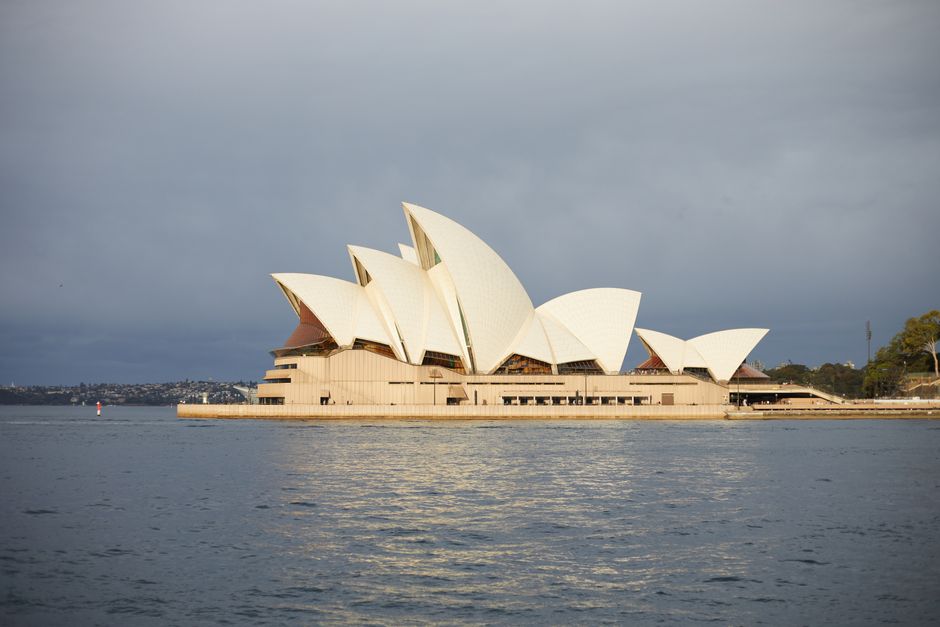
You land in Sydney. Jet-lagged, excited, clutching a map. The first sign you see at Bondi Beach reads: “SWIM BETWEEN THE FLAGS.” You nod, snap a photo, and wade in 50 meters left of the red-and-yellow patrol zone. That decision — ignoring a single sign — is how most tourists get into real trouble in Australia. Not crocodiles. Not spiders. A simple rip current no one saw coming.
I spent three weeks driving from Melbourne to Cairns, talking to lifeguards, park rangers, and local drivers. Here’s what I learned about staying safe — not the generic “don’t pet the kangaroos” stuff, but the specific, measurable risks that actually hurt travelers.
Rip Currents Kill More Tourists Than Any Australian Animal
Between 2004 and 2026, rip currents killed 1,046 people in Australia. That’s more than shark attacks, crocodile attacks, snake bites, and spider bites combined. Tourists account for a disproportionate share because they don’t recognize the signs.
A rip current looks like a calm, dark channel between breaking waves. It pulls at 2-3 meters per second — faster than an Olympic swimmer. The instinct is to swim against it. That’s how people drown.
What the locals know: Swim between the red-and-yellow flags. Every patrolled beach in Australia marks the safest zone. If you get caught in a rip, don’t fight it. Swim parallel to the shore for 20-30 meters, then ride the waves back in. The average rip is only 10-20 meters wide.
Check the BeachSafe app before you go. It lists every patrolled beach in real time, including which ones have lifeguards on duty. Most rescues happen on unpatrolled beaches between 10am and 2pm.
Why tourists ignore the flags
Three reasons. First, the water looks calmer outside the flags. Second, they want a better photo. Third, they overestimate their swimming ability. A 2026 study by Surf Life Saving Australia found that 68% of drowning victims were born overseas. The water here behaves differently than the Mediterranean or the Caribbean. Waves are bigger. Rips are stronger. Respect that.
Driving in the Outback: The Real Danger Is Distance, Not Wildlife
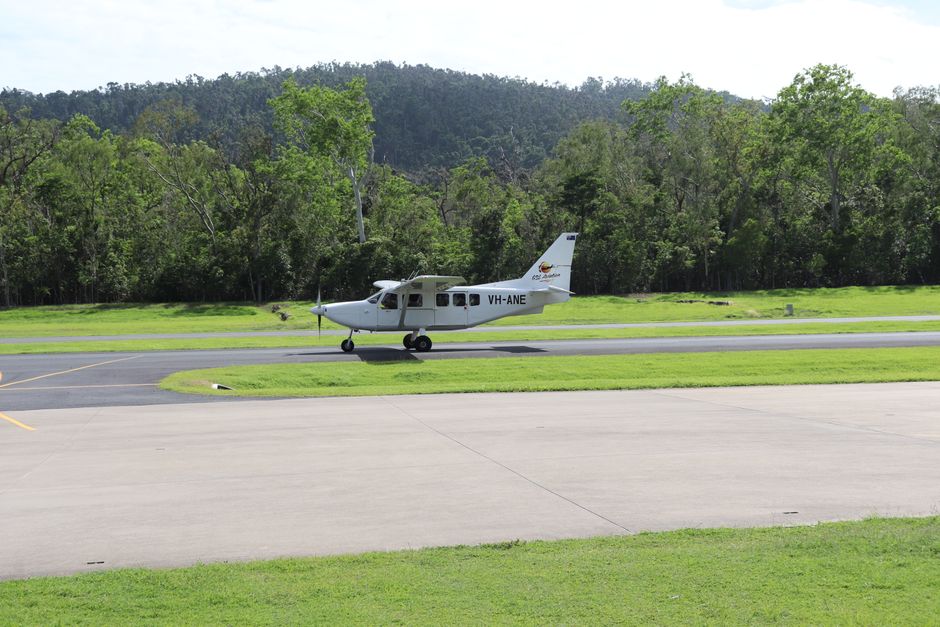
Every year, tourists die on long Australian highways. Not from kangaroo collisions — those are survivable. From falling asleep at the wheel after driving 8 hours straight with no stops. From running out of fuel 200 kilometers from the nearest town. From dehydration when their car breaks down and no one passes for 4 hours.
The numbers: Australia has 800,000 kilometers of road. About 40% is unpaved. Speed limits on highways go up to 130 km/h. The Stuart Highway from Adelaide to Darwin is 3,020 km with exactly 18 fuel stops. Miss one, and you’re waiting for a road train that might come in 2 hours.
| Route | Distance | Fuel Stops | Max Gap Between Stops |
|---|---|---|---|
| Melbourne to Sydney (Hume Hwy) | 878 km | 12 | 80 km |
| Adelaide to Darwin (Stuart Hwy) | 3,020 km | 18 | 300 km |
| Perth to Broome (Great Northern Hwy) | 2,250 km | 11 | 280 km |
| Sydney to Brisbane (Pacific Hwy) | 910 km | 15 | 60 km |
Before you drive any outback route, download the Emergency+ app. It uses your phone’s GPS to send your exact coordinates to emergency services — critical when you’re in a dead zone with no cell signal. Carry 10 liters of water per person, per day. Pack a basic first aid kit with bandages, antiseptic, and a snake bite compression bandage. And never drive between dusk and dawn. That’s when kangaroos, wallabies, and wombats are active. A 50-kg kangaroo at 110 km/h will total your car.
The road train rule
Road trains are trucks pulling three or four trailers, up to 53 meters long. They don’t brake quickly. On single-lane highways, pull over to let them pass. They need the whole lane. If you’re overtaking one, allow 1.5 kilometers of clear road ahead. That’s 45 seconds at a 30 km/h speed difference.
Sun Exposure: The Silent Accumulator
Australia has the highest rate of skin cancer in the world. Two in three Australians will be diagnosed with some form of skin cancer by age 70. For tourists, the risk is especially high because you don’t feel the burn until it’s too late. UV index in summer regularly hits 11+ in Sydney, 14+ in Alice Springs. For context, anything above 3 requires protection.
The 5-minute rule: On a clear December day in Sydney, fair skin starts burning in 5-6 minutes. Not 20. Not 30. Five. You can’t “build a base tan” here. That’s a myth.
Use an SPF 50+ broad-spectrum sunscreen. Apply 15 minutes before going outside. Reapply every 2 hours, and immediately after swimming or sweating. The Cancer Council of Australia recommends 35ml per application — that’s about a shot glass full for your whole body. Most tourists use half that.
Wear a wide-brimmed hat, not a baseball cap. Baseball caps leave your ears and neck exposed — common burn spots. Sunglasses with UV400 rating. And a long-sleeved rashie if you’re swimming. The Surf Life Saving Australia sells UPF 50+ rash vests for about $40 AUD. They’re not fashionable. They work.
One more thing: Cloud cover doesn’t block UV. Up to 80% of UV rays penetrate light cloud. You can burn on a cloudy day faster than a sunny one because you don’t feel the heat.
Wildlife Encounters: What Actually Matters vs. What Tourists Fear
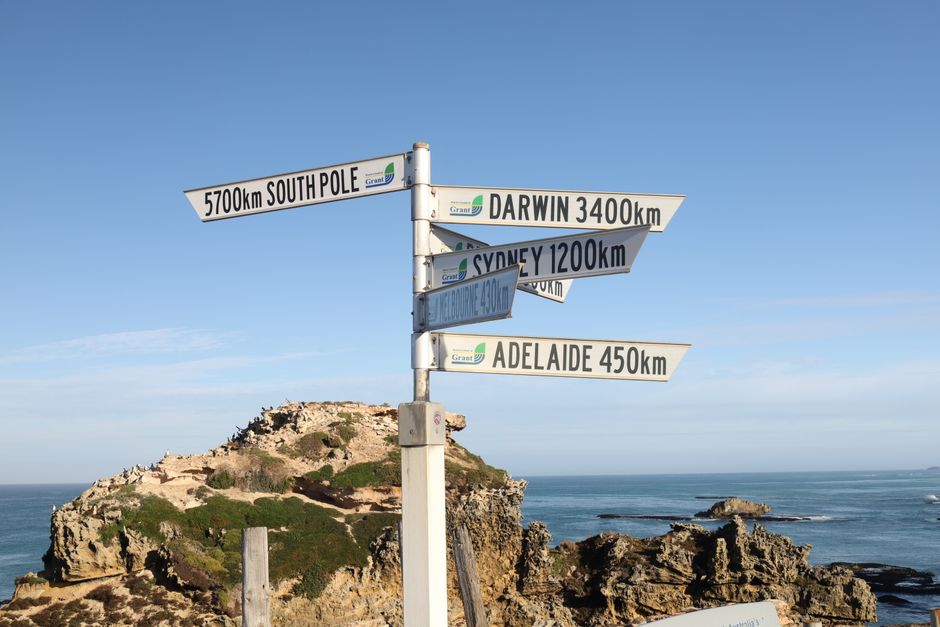
Tourists obsess over snakes, spiders, and sharks. Locals worry about magpies and kangaroos. Let me explain.
Snakes: Australia has 140 land snake species, 100 of them venomous. But only about 2-3 deaths per year. Snakes avoid humans. If you see one, stop walking, back away slowly, and give it 2 meters of space. Most bites happen when someone tries to kill or move a snake. Don’t do that. Wear closed shoes when hiking. Don’t step over logs — step on them, so you can see what’s on the other side.
Spiders: The Sydney funnel-web is the world’s most venomous spider. But no one has died from a funnel-web bite since antivenom was introduced in 1981. The redback spider is more common — found under toilet seats, in garden sheds, in outdoor shoes. Shake out your shoes before putting them on. That’s the only prevention you need.
Sharks: 2026 saw 10 shark-related deaths worldwide. Australia had 2. You are 1,000 times more likely to die from a rip current than a shark. Still, don’t swim at dawn or dusk. Don’t swim near fishing boats. Don’t wear shiny jewelry that looks like fish scales. These three rules eliminate 90% of the risk.
Kangaroos: This is the real threat. Kangaroos cause more injuries to Australians than any other animal. They’re most aggressive during mating season (July-September). A male kangaroo can stand 2 meters tall and kick with enough force to break ribs. If one approaches you, stand sideways (you look smaller), avoid eye contact, and back away slowly. Never turn and run — they will chase you.
Magpies: From August to October, magpies dive-bomb anyone who gets within 50 meters of their nest. They target eyes and ears. Wear a broad-brimmed hat or sunglasses. If you see a magpie, walk quickly but don’t run. Tape a pair of fake eyes on the back of your hat — magpies are less likely to attack if they think you’re watching them. It sounds absurd. It works.
What to Pack for Australian Safety (Not What You Think)
Most packing lists for Australia focus on swimwear and sandals. Here’s what you actually need for safety, based on three weeks of travel and conversations with locals.
First aid kit with snake bite bandage. Standard first aid kits don’t include compression bandages for snake bites. Buy a specific snake bite kit from a pharmacy. The elastic bandage needs to be 10-15cm wide and 2-3 meters long. Apply it over the bite, then wrap the entire limb firmly. Keep the victim still. Call 000. Don’t cut the wound or try to suck out venom.
Personal locator beacon (PLB). If you’re hiking in remote areas, this is non-negotiable. A PLB costs about $200-$400 AUD. It sends a distress signal to rescue services via satellite. Unlike a phone, it works where there’s no cell signal. The GME MT410G ($299 AUD) is the most common model used by Australian hikers. It’s about the size of a deck of cards. Rent one from an outdoor store if you don’t want to buy it.
Reusable water bottle with filter. In the outback, water sources can be unreliable. A filter bottle like the LifeStraw Go ($55 AUD) removes bacteria and protozoa. Fill it from any tap or creek. It’s lighter than carrying 10 liters at once.
UV umbrella or UPF 50+ umbrella. The sun here is relentless. A UV umbrella provides shade wherever you stand. The Coolibar UPF 50+ umbrella ($89 AUD) folds down to 30cm. Packs in any bag.
Emergency+ app. Free. Uses GPS to tell emergency services exactly where you are. Download it before you leave. Most tourists don’t know 000 (the Australian emergency number) works differently than 911. The app handles that.
When the Advice Changes: Regional Differences Most Guides Miss
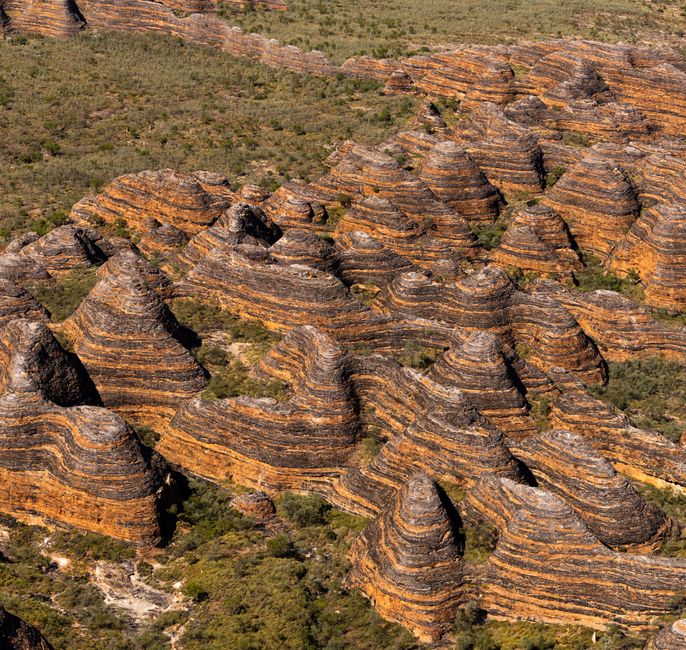
Australia is the size of the contiguous United States. Safety advice that works in Sydney might kill you in the Kimberley. Here’s how to adjust.
Northern Australia (above the Tropic of Capricorn): This is crocodile country. Saltwater crocs live in every river, creek, and beach north of Rockhampton. They can grow 6 meters long and sprint at 30 km/h for short distances. The rule: never enter any body of water unless a local tells you it’s safe. Not lakes. Not rivers. Not the ocean. Saltwater crocs swim in the ocean. Don’t camp within 50 meters of a waterway. Don’t clean fish near the water’s edge. Crocodiles are attracted to splashing and blood.
Central Australia (Alice Springs, Uluru): Heat and dehydration are the only risks. Temperatures hit 45°C in summer. Carry 4 liters of water per person for a half-day hike. Start hikes at 6am, finish by 10am. The sun at Uluru is so intense that you can get second-degree burns in 15 minutes. Wear long sleeves and pants even in the heat — light cotton or linen. The locals do.
Southern Australia (Melbourne, Adelaide, Tasmania): The weather changes hourly. You can get sunburned and hypothermic in the same day. Pack layers. A fleece jacket and a windproof shell. The UV index can still hit 8 on a 15°C day. Don’t skip sunscreen just because it’s cold.
Coastal cities (Sydney, Brisbane, Perth): The biggest risk is bluebottles (Portuguese man o’ war). They wash up on beaches in summer. Their tentacles can be up to 10 meters long. If you see one on the sand, don’t touch it — even dead ones can sting. The sting treatment: rinse with seawater (not fresh water — that activates the stingers), then apply hot water or a heat pack for 20 minutes. Vinegar doesn’t work on bluebottle stings. That’s a myth from box jellyfish treatment.
Back at Bondi Beach, the lifeguard I spoke to put it simply: “We rescue about 3,000 people a year. Almost all of them are tourists who thought the rules didn’t apply to them.” Australia is not a dangerous country. It’s a country that demands you pay attention. Swim between the flags. Don’t drive tired. Wear sunscreen. Shake out your shoes. Follow those four rules, and you’ll have a trip you remember for the right reasons.