

In March 2019, I sat in a glass-walled office in downtown Chicago and watched my boss hand me a piece of paper that said I was getting a $12,450 bonus. I felt like I’d finally made it. I was 31, working in logistics operations, and that check felt like a ticket to a different life. I remember the exact smell of that office—stale coffee and expensive floor wax—and the physical rush of heat in my chest. I told myself this was the start of my ‘real’ wealth. I’d pay off the car, max the IRA, and finally be one of those people who has their act together.
Three weeks later, the money was gone. All of it. And I didn’t even buy anything big. No Rolex, no trip to Ibiza. I just… upgraded. I bought a $900 leather jacket from AllSaints that I’ve worn exactly four times because it’s too tight in the armpits. I signed up for a premium gym membership at Equinox ($260 a month) because I told myself ‘successful people’ don’t work out at Planet Fitness. I started buying the $18 bags of small-batch coffee beans instead of the grocery store stuff. By April, my bank balance was exactly where it had been in February, but my fixed monthly costs had jumped by six hundred bucks. I was technically making more, but I was actually closer to the edge than I’d ever been.
That’s the trap. We think lifestyle creep is about buying Ferraris, but it’s actually about the slow, silent accumulation of ‘better’ versions of things you already have.
The ‘Better Version of Me’ tax
The psychology here is pretty simple, but it feels like a betrayal when you’re living it. It’s called hedonic adaptation. Basically, your brain is a jerk that gets used to nice things almost instantly. What used to be a ‘treat’ becomes the new baseline. What I mean is—actually, let me put it differently. You aren’t buying a product; you’re buying a version of yourself that you think deserves that product. When I bought that AllSaints jacket, I wasn’t buying leather. I was buying the idea of myself as a guy who wears $900 jackets. But the ‘guy’ didn’t change. Only the credit card balance did.
I used to think that the solution was just ‘more discipline.’ I was completely wrong. Discipline is a finite resource, and if you’re using it to fight the urge to buy a nicer sandwich every single day, you’re going to lose eventually. The real problem is that we view our income as a ceiling to be reached rather than a floor to stand on. Most people—and I was the poster child for this—treat every raise like a permission slip to increase their overhead.
Lifestyle creep is like a gas that expands to fill whatever room you give it. If you don’t build walls, it’ll take over everything.
Anyway, I digress. The point is that once you upgrade your life, it is excruciatingly painful to downgrade it. It’s called ‘loss aversion.’ Losing the Equinox membership felt like a failure, even though I was barely going. I’d rather be broke and have the fancy locker room than be solvent and use a rusty squat rack. It’s irrational. It’s stupid. And we all do it.
I tracked every cent for 412 days and here’s the math
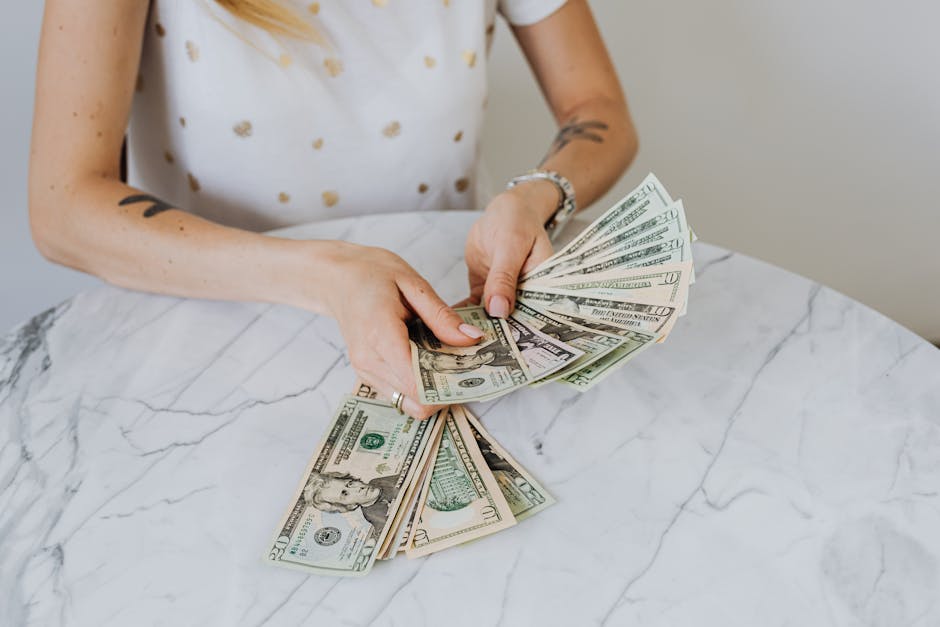
I’m not a financial advisor. I work in a warehouse-adjacent office and spend half my day looking at shipping manifests. But I am a nerd when I get frustrated. After the 2019 bonus fiasco, I decided to track every single penny for over a year. I used a messy Google Sheet, not one of those polished apps. (Side note: I actually despise Mint and YNAB. I know people swear by them, but I find the interfaces patronizing and they make me want to spend more just to see the little charts move. I prefer the raw ugliness of a spreadsheet.)
Here is what I found after 14 months of tracking 3 different bank accounts:
- The Convenience Leak: I spent $4,200 on UberEats and DoorDash in a single year. That’s not food; that’s a ‘lazy tax’ I paid because I couldn’t be bothered to boil pasta.
- The Subscription Ghost: I had 11 active subscriptions. Three of them were for streaming services I hadn’t opened in six months. Total waste: $74/month.
- The ‘Just Because’ Purchases: Every time I had a bad day at work, I spent an average of $45 on ‘stuff’ at Target or Amazon. I call this emotional shoplifting from my own future.
The total? I was bleeding roughly $1,100 a month on things that didn’t actually make me happier. That’s $13,200 a year. That’s a whole second bonus I was just flushing down the toilet because I felt like I ‘earned it.’
Why I still buy $18 bags of coffee (and why you shouldn’t)
I might be wrong about this, but I think the ‘latte factor’ advice is mostly garbage. If you love coffee, buy the coffee. My extreme personal stance is that you should pick TWO things to be a total snob about and go absolutely cheap on everything else. For me, it’s coffee and bed sheets. I will spend $300 on linen sheets and I won’t apologize for it. I’ve bought the same Brooklinen set three times now. I don’t care if Target has a $40 version; the sleep quality is worth the premium to me.
The mistake people make is being a snob about *everything*. You can’t have the $18 coffee AND the $200 sneakers AND the $80-a-month car wash AND the organic-only grocery bill. That’s not a lifestyle; that’s a slow-motion train wreck. I actively tell my friends to avoid the Chase Sapphire Reserve card for this exact reason. Everyone loves the ‘points’ and the airport lounges, but that $550 annual fee is a psychological anchor. It forces you to spend more money just to feel like you’re ‘getting your money’s worth.’ It’s a trap designed by geniuses to keep you in the middle class forever.
Total scam.
How to actually reverse the creep
If you want to stop this, you have to be comfortable being the ‘poor’ friend for a minute. This is the part an editor would probably tell me to tone down because it sounds mean, but: most of your friends are broke. They have nice cars and they go to brunch, but they have zero net worth. If you follow their lead, you’ll end up exactly like them—stressed out and one layoff away from disaster.
Here is the short, unpolished version of how I fixed my life:
- The 50% Rule: Every time I get a raise or a bonus, 50% goes directly to savings/investments before I even see it. The other 50% can be spent on lifestyle. This way, I still get the ‘hit’ of a raise, but my wealth grows faster than my expenses.
- The 72-Hour Cooling Period: If it costs more than $100 and it’s not groceries, I have to wait three days. Usually, by day two, the ‘I need this’ feeling has died.
- The Fixed Cost Freeze: I haven’t increased my rent or car payment in four years, despite making 40% more than I did in 2019. This is the biggest lever.
It’s not about living like a monk. It’s about realizing that the ‘stuff’ you buy to reward yourself for working hard is often the very thing that forces you to keep working so hard. It’s a cycle that only ends when you decide you have enough.
I still have that leather jacket in my closet. It stares at me every morning—a $900 reminder of a version of myself I couldn’t afford to be. Sometimes I think about selling it on Poshmark, but then I’d have to admit I failed. So it just sits there. A beautiful, tight-in-the-armpits monument to my own insecurity.
Do you actually like the things you’re spending your extra money on, or are you just trying to keep up with a version of yourself that doesn’t exist?
Think about it. Or don’t. It’s your money.