
Choose the Right Travel Backpack
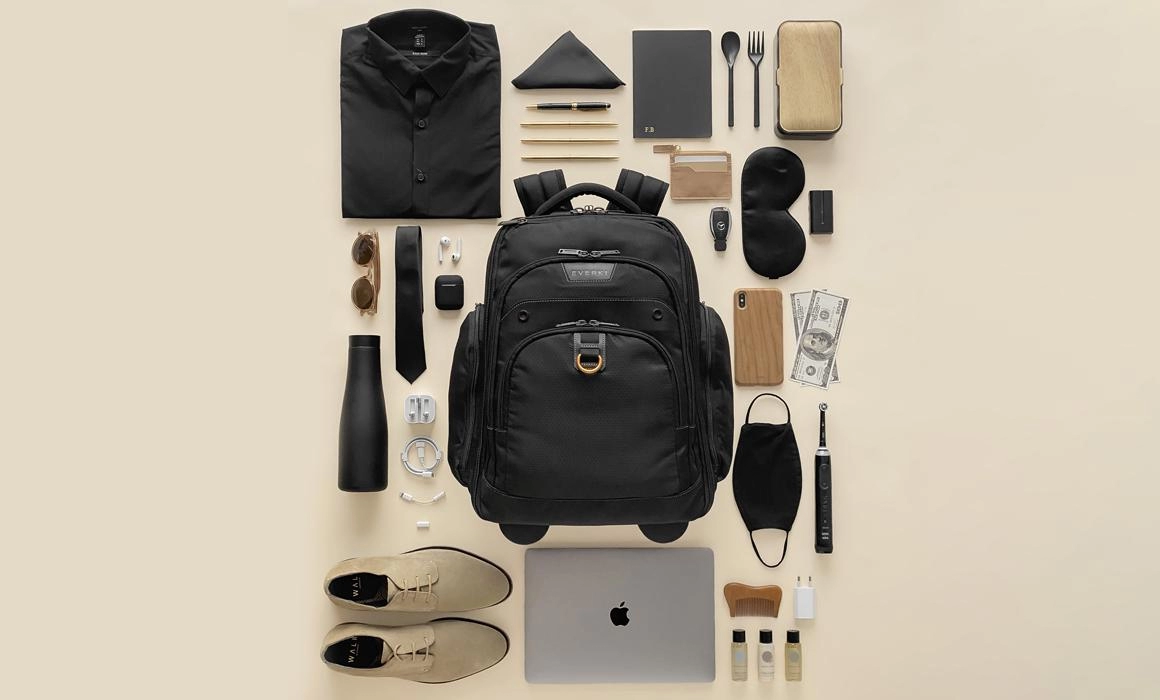
Picking the perfect travel backpack sets the tone for your entire trip. A clamshell travel backpack (front-opening design) is a game-changer—it opens like a suitcase, giving you full access to everything inside without digging around. This makes efficient backpack loading a breeze and keeps your items organized.
Key Features to Look For:
| Feature | Why It Matters |
|---|---|
| Front-opening/clamshell | Easy access, organize with packing cubes easily |
| Multiple compartments | Separate tech, clothes, and toiletries |
| Padded straps & back | Comfort during long hikes or airport dashes |
| Compression straps | Stabilize load, keep weight balanced |
| Durable, water-resistant material | Protects contents in all weather |
| Hip belt pockets | Quick access to snacks, phone, or wallet |
Choosing a backpack with thoughtful design saves you from frustration. For example, a carry-on backpack organization becomes easier when your pack has dedicated tech sleeves and external pockets, giving you space while staying travel-compliant.
Remember: your backpack should fit your travel style. Whether minimalist or full-on adventure, the right gear makes packing smarter, not harder. Start with the right bag, and you’re halfway to hassle-free travel!
Start with a Smart Packing List and Minimalist Mindset
Before you even unzip your travel backpack, crafting a smart packing list is crucial. Tailor your list specifically to your trip duration, destination, and planned activities—this keeps you from packing unnecessary items. Embrace a minimalist backpack packing approach by focusing on essentials and versatile pieces that can serve multiple purposes. Avoid overpacking by asking yourself if each item truly adds value or if it’s just extra weight.
A well-planned packing list helps maintain a lightweight carry-on backpack organization, making your travels easier and more efficient. By sticking to this minimalist mindset, you’ll save space and reduce the stress of lugging around heavy gear. For destinations like Moscow or Riyadh, where climate and activities vary, adjusting your list accordingly ensures you only bring what’s needed without compromise. This practical strategy is a solid foundation for all effective travel backpack hacks.
Master Clothing Packing Techniques
When it comes to packing clothes in your travel backpack, how you fold or roll can make a huge difference. Rolling clothes backpack-style helps save space and reduces wrinkles better than traditional folding. Alternatively, bundle wrapping—where you wrap clothes around a central core—can minimize creases and maximize room.
Don’t forget to stuff smaller items, like socks or underwear, inside your shoes. This not only saves space but also helps your shoes keep their shape. Using these methods together with packing cubes for backpack organization will streamline your packing process, keeping everything neat and easy to find.
Experiment with rolling vs. folding based on your clothes type and destination needs for the most efficient backpack loading every trip.
Use Packing Cubes and Organizers
Packing cubes are a game-changer when it comes to carry-on backpack organization and efficient backpack loading. They help compartmentalize your gear, keeping clean and dirty clothes separate and easy to find. Compression packing cubes are especially handy—they squeeze down your clothes, saving valuable space while keeping everything neat.
Here’s how to make the most of them:
- Sort by category: Use different cubes for shirts, pants, underwear, and toiletries bag travel essentials.
- Separate clean and dirty clothes: Keep a dedicated cube or a small laundry bag to avoid mixing smells.
- Compress bulky items: Use compression cubes for sweaters or jackets to reduce volume.
- Easy access: Label cubes or choose clear ones so you can quickly spot what you need.
Using packing cubes for backpack trips not only organizes your stuff but also speeds up airport security checks since your belongings are neatly packed and accessible. This approach fits perfectly with minimalist backpack packing, helping you stay organized without overpacking.
Organize Toiletries and Liquids Efficiently
Keeping your toiletries and liquids organized is key to efficient backpack packing and hassle-free travel. Stick to the 3-1-1 liquids rule if you\’re carrying a carry-on backpack: containers must be 3.4 ounces (100 ml) or less, all fit into one clear, quart-sized pouch, and only one pouch allowed per passenger. This keeps you TSA-friendly and avoids spills.
Use travel-sized containers for shampoo, lotion, and other essentials. Refillable bottles save space and reduce waste. Packing your toiletries in a clear pouch helps you spot items quickly and keeps leaks contained.
Don’t forget to separate clean and dirty items by using a dedicated toiletries bag travel kit. This prevents damp or used products from mixing with fresh clothes. For quick access, store your pouch near the top of your pack or in an exterior compartment.
This simple organization keeps your travel backpack hacks stress-free, so you’re ready on the go. For more tips on efficient backpack loading, check out practical advice on managing your travel health essentials to stay comfortable on the road.
Handle Electronics and Valuables
Keeping your electronics and valuables safe and organized in your travel backpack is key to stress-free travel. Use a dedicated tech pouch to keep chargers, cables, and small gadgets in one place—this avoids tangled messes and saves time searching. Protect your laptop or tablet with a padded laptop sleeve or built-in compartment, ideally inside the main backpack compartment for added security.
For added peace of mind, consider anti-theft travel backpack features like lockable zippers or hidden pockets to store valuables discreetly. Always keep your most important electronics close to your body when on the go, and back up essential files before you travel.
Efficient backpack loading means grouping your tech gear logically, so you can quickly reach your devices when needed without unpacking everything. For more travel safety and organization tips, check out these practical road trip safety tips.
Distribute Weight for Comfort and Balance
When organizing your travel backpack, distributing weight correctly is key for comfort and preventing strain. Place heavy items like shoes, books, or electronics close to your back to keep the center of gravity stable. Lighter items, such as clothing or bulky sweaters, should go on top or toward the outer edges. This arrangement helps maintain balance and reduces pressure on your shoulders.
Before you finalize your pack, test the weight distribution by wearing the backpack. Shift things around if it feels too heavy on one side or causes you to lean forward. Even distribution makes a huge difference, especially for long days on the move.
For tips on efficient backpack loading and weight distribution, you can also check out some practical advice on kick back gear essentials. Proper weight balance not only improves comfort but also protects your back, ensuring your travel experience is smooth and enjoyable.
Utilize Every Pocket and Compartment
To organize your travel backpack efficiently, make the most of every pocket and compartment available. Exterior pockets are perfect for quick-access items like your passport, phone, or snacks, so you don’t have to dig through your main pack. Don’t overlook hip belt pockets either—they\’re great for small essentials such as lip balm, keys, or cash when you’re on the move.
Use the bottom compartment, if your backpack has one, to store shoes or a dirty laundry bag travel-friendly option that keeps odors and dirt separate from your clean clothes. This setup not only saves space but also keeps things organized and easy to find during your trip. Smart use of these sections is a simple travel backpack hack that prevents fumbling and speeds up packing and unpacking.
This approach with your travel backpack’s storage compartments supports efficient backpack loading and helps maintain good weight distribution, aiding overall comfort. For more tips on minimalist backpack packing and smart gear choices, check out our essential backpacking list.
Advanced Hacks for Space and Efficiency
Maximizing space in your travel backpack means getting creative with how you pack. Start by wear bulky items like jackets, boots, or heavy sweaters while traveling to save precious room inside. Using vacuum bags can also compress clothes, reducing volume and giving you more packing freedom without adding bulk.
Opt for multifunctional gear—think a scarf that doubles as a blanket or pants with zip-off legs that convert into shorts. These versatile items cut down on the number of things you need to bring while keeping you prepared for different situations.
By combining these advanced hacks with your regular packing routine, you boost your backpack’s efficiency and ease the load. For more tips on efficient backpack loading, check out guides on traveling Europe by backpack to see real-world examples of minimalist backpack packing and effective gear choices.
Common Mistakes to Avoid
When organizing your travel backpack, steering clear of a few common mistakes can make all the difference.
- Overpacking: This is the biggest culprit. Sticking to a minimalist backpack packing approach helps keep your load light and manageable, so avoid bringing non-essentials that just add bulk.
- Poor weight distribution: Placing heavy items unevenly can strain your back and throw off balance. Remember to keep heavy gear close to your back and distribute weight evenly for comfort and stability.
- Ignoring accessibility: Not organizing items based on how often you need them results in constant unpacking and repacking. Use exterior pockets and strategically place essentials like travel documents or toiletries for quick access.
Avoiding these pitfalls ensures you get the most out of your efficient backpack loading and carry-on backpack organization, making your travels smoother and less stressful.