
You land at Kansai International, take the Haruka limited express to Kyoto Station, and step out into a city with 1,600 temples and exactly zero instructions on how to see them without losing your mind. The first-time visitor trap is predictable: Day 1 you cram Kinkaku-ji, Fushimi Inari, and the Bamboo Grove into one afternoon. By 3 PM your feet hurt, you’ve stood in three separate 45-minute bus queues, and you haven’t eaten anything except a vending-machine onigiri.
This itinerary fixes that. It’s built for the culture traveler who wants to understand why a temple matters, not just check it off. Every day has a theme, a logical geography, and a timing strategy that puts you at the famous spots when they’re quiet. You’ll spend less time commuting and more time actually absorbing the place.
Day 1: The Eastern Hills — Path of Philosophy
Start at Nanzen-ji (free grounds, 600 yen for the sub-temple). It’s massive, under-visited, and the aqueduct running through it is a genuine surprise. Walk south along the Philosopher’s Path — a 2-kilometer canal-side trail lined with cherry trees. In April it’s packed. In November the maple colors are absurd. In July? You’ll have most of it to yourself.
Stop at Honen-in
This small temple halfway down the path has a moss garden that glows after rain. No crowds. No entrance fee. The thatched gate is one of the most photographed spots in Kyoto for a reason. Spend 15 minutes here. Breathe.
Lunch at a tofu restaurant
Near Nanzen-ji, Okutan Nanzenji serves yudofu — hot pot tofu — in a converted temple building. A set meal costs about 3,000 yen. It’s simple, quiet, and exactly what you need after walking. Reservations not accepted; arrive by 11:30 AM to avoid the queue.
Ginkaku-ji (Silver Pavilion) — late afternoon
End Day 1 at Ginkaku-ji (500 yen). The sand garden shaped like a miniature Mount Fuji is the main draw. Get there by 3:30 PM. The light hits the garden best between 3:30 and 4:30. By 5 PM the tour groups have left. You’ll have the viewing platform mostly to yourself.
Failure mode to avoid: Don’t buy a day bus pass on Day 1. The Eastern Hills walk is entirely pedestrian. Bus passes become useful on Days 2 and 3. Save the 600 yen.
Day 2: The Bamboo Grove and the Temple of the Golden Pavilion — Timing Is Everything
The Arashiyama Bamboo Grove is the most crowded attraction in Kyoto. At 10 AM you’re shuffling shoulder-to-shoulder with 300 people. At 6:30 AM you’re alone. The difference is that stark.
Arrive at the grove entrance by 6:30 AM. The path takes 10 minutes to walk at a normal pace. Take 20. Listen to the bamboo creak. The sound is the point. By 7:15 the first tour buses arrive. You’re already walking toward the next spot.
Tenryu-ji — the garden, not the building
Tenryu-ji (500 yen) opens at 8:30 AM. Skip the main hall. Walk directly to the rear garden. The pond reflects Arashiyama mountain. Sit on the veranda for 10 minutes. This is the best value-for-time temple visit in Kyoto. The garden was designed by Muso Soseki, a 14th-century Zen master. He understood that a well-placed rock can do more for your mental state than a sermon.
Kinkaku-ji by 10 AM
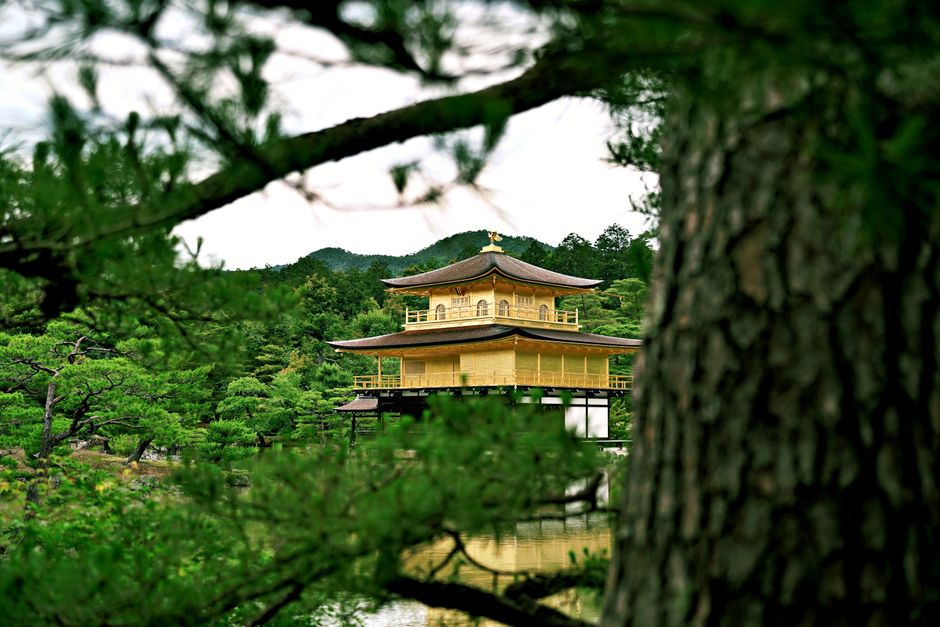
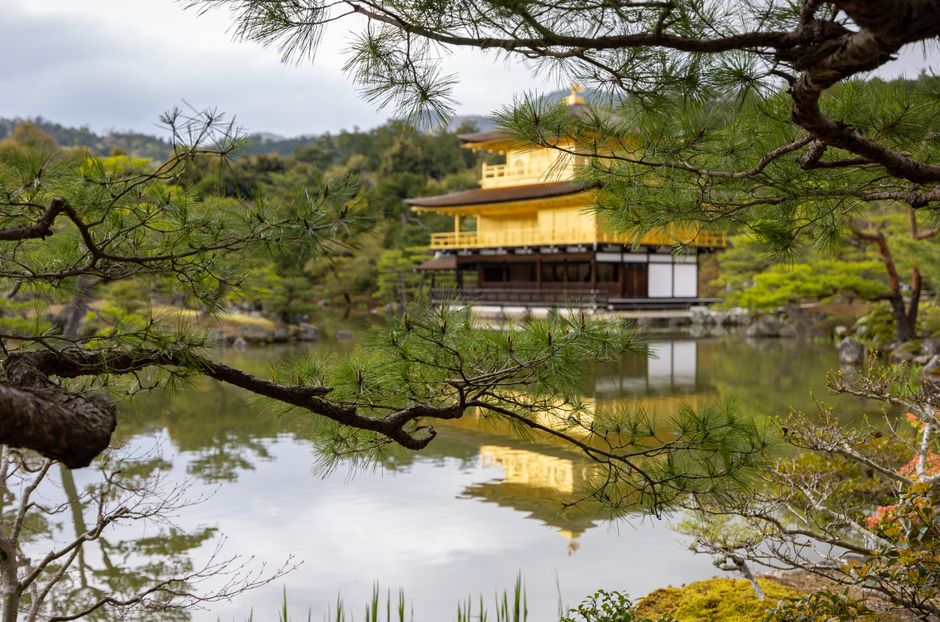
Kinkaku-ji (400 yen) is a 30-minute bus ride from Arashiyama. The gold-leaf pavilion reflecting in the pond is the postcard image. It’s also surrounded by tourists taking selfies. The trick: arrive at 10 AM, walk the circuit counter-clockwise (everyone goes clockwise), and take your photo from the far side of the pond. You’ll get the reflection without 50 phones in the frame.
Alternative if you hate crowds: Skip Kinkaku-ji entirely. Go to Ryoan-ji (500 yen) instead. The rock garden is 15 stones on raked gravel. You’ll sit on the veranda and stare at it for 20 minutes. That’s the activity. It’s not boring. It’s the point.
Day 3: Fushimi Inari and the Art of Walking Up
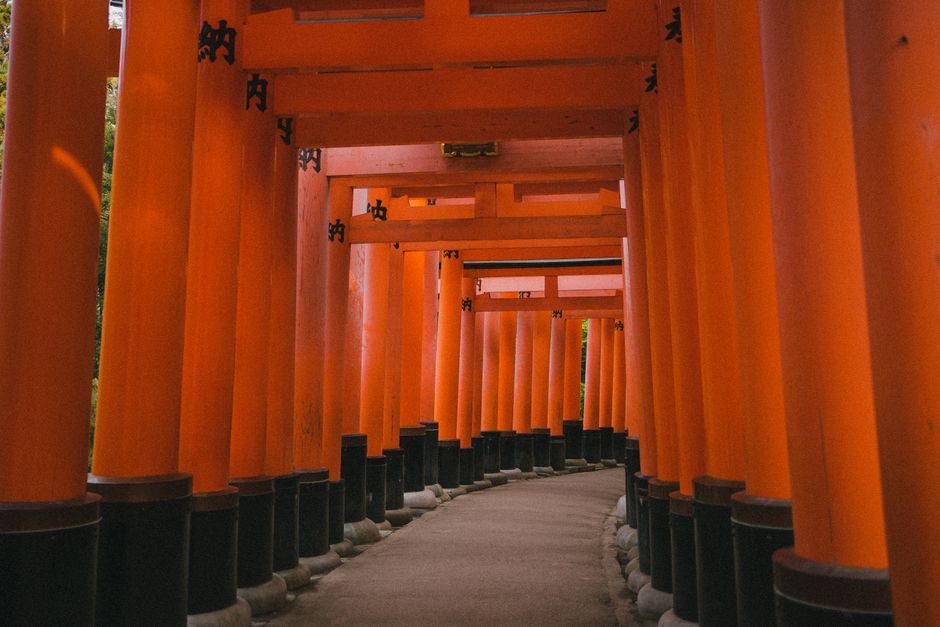
Fushimi Inari Taisha is free, open 24 hours, and the thousand vermilion gates are the single most recognizable image of Kyoto. Most visitors walk 200 meters, take a photo, and turn around. That’s a mistake. The gates continue for 4 kilometers up the mountain.
Go at 7 AM. The lower section is still busy, but by the time you reach the first rest area (15 minutes up), the crowd thins to a trickle. At the summit you’ll see maybe 10 other people. The view over Kyoto is worth the 2-hour climb. Bring water. There are vending machines at the base and at the summit, but nothing in between.
Lunch in the sake district
Take the Keihan train one stop to Fushimi Momoyama. The Gekkeikan Okura Sake Museum (400 yen, includes a tasting) is a 5-minute walk from the station. They explain the brewing process with English signage. The tasting room pours six sake varieties. The junmai daiginjo is the one to try first.
Afternoon at Tofuku-ji
Tofuku-ji (400 yen for the garden) is 10 minutes by train from Fushimi. The Zen garden features a grid of moss squares and white gravel. The wooden bridge over the valley gives you a view of the maple trees from above. In November this is the best autumn color spot in Kyoto. In July it’s quiet and green. Either way, it’s better than Kiyomizu-dera (which is a construction site until 2026).
Common mistake: Climbing Fushimi Inari in sandals. The path is gravel and stone steps. You need proper footwear. The Merrell Moab 3 (about $140) or a similar hiking shoe with good tread will save your feet. The descent is harder on your knees than the climb.
Day 4: Nishiki Market, Tea Ceremony, and the Geisha District
Nishiki Market opens at 9 AM. It’s a 5-block covered arcade with 100+ food stalls. Go hungry. The strategy: walk the entire length once without buying anything. Note what looks good. Then go back and buy. The tamagoyaki (rolled omelette on a stick) is 150 yen. The grilled eel skewer is 600 yen. The pickled vegetables from Nishiki Yamato make good souvenirs.
Afternoon tea ceremony — book ahead
A proper tea ceremony takes 45 minutes. Camellia Tea Experience near Kiyomizu-dera runs English-language sessions for 3,000 yen. You’ll learn the four principles of tea: harmony, respect, purity, tranquility. You’ll also learn that whisking matcha properly requires a specific wrist motion — not a circle, but a back-and-forth. The host will correct your form. That’s the point.
Gion at dusk
Gion is Kyoto’s geisha district. The main street is a tourist trap. The side streets — specifically Shinbashi-dori and Hanami-koji — are where the real atmosphere lives. Walk them at 5:30 PM. You might see a maiko (apprentice geisha) walking to her appointment. Do not grab her for a photo. Do not block her path. Do not touch her kimono. Observe from a distance. She’s working.
Dinner at Isobe, a small tempura counter near Gion. A set menu costs 5,000 yen. Counter seats only. The chef fries each piece to order and places it directly on your plate. The shrimp head is the best part.
Budget Breakdown for 4 Days in Kyoto
| Category | Budget (Yen) | Mid-Range (Yen) | Notes |
|---|---|---|---|
| Accommodation (4 nights) | 24,000 | 60,000 | Capsule hotel vs business hotel |
| Food | 12,000 | 25,000 | Conbini breakfast vs restaurant meals |
| Transport (local) | 2,000 | 4,000 | Bus pass + IC card |
| Temple entry fees | 2,500 | 3,500 | 5-6 temples total |
| Tea ceremony | 3,000 | 3,000 | Fixed price |
| Total per person | 43,500 yen (~$290) | 95,500 yen (~$640) | Excludes flights |
Exchange rate assumed at 150 yen to 1 USD. Actual rates vary. The budget version works if you stay in a capsule hotel, eat from convenience stores and market stalls, and walk between sites. The mid-range version gets you a business hotel room, one nice dinner, and a taxi or two when your feet give out.
When the Itinerary Doesn’t Work — And What to Do Instead
This itinerary assumes you can walk 10-15 kilometers per day. If you have mobility issues, chronic foot pain, or are traveling with children under 8, it will break you by Day 2.
Alternative for limited mobility: Skip the Philosopher’s Path and Fushimi Inari climb. Spend Day 1 at the Kyoto National Museum (1,000 yen, wheelchair accessible). Day 2, take a taxi to Kinkaku-ji (the path is flat), then to Ryoan-ji (flat, benches at the garden). Day 3, visit Sanjusangen-do (600 yen) — 1,001 wooden statues of Kannon inside one long hall. You sit on the floor and look. No climbing required.
When to skip this itinerary entirely: If you’re in Kyoto during Obon (mid-August). The city is 40°C with 90% humidity. The temples have no air conditioning. You will not have a good time at Fushimi Inari in that heat. Go to Hokkaido instead. Seriously. Kyoto in August is a known mistake.
If you only have 2 days: Do Day 1 (Eastern Hills) and Day 3 (Fushimi Inari + Tofuku-ji). Skip Arashiyama and Kinkaku-ji. You will not feel like you missed the best parts. You didn’t.