
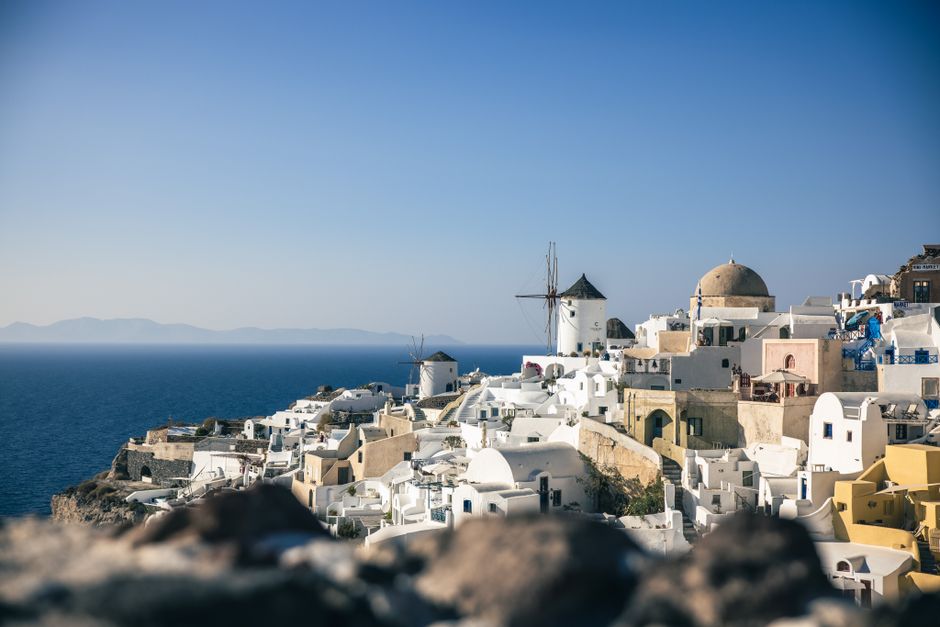
You’ve seen the photos. That blue-domed church in Oia at sunset. A infinity pool overlooking the caldera. A whitewashed alley with bougainvillea. The images are real. The experience behind them? That’s what I want to talk about.
I’ve lived on Santorini for six years. I work in a hotel in Fira during the season. I’ve watched the island change from a quiet volcanic rock to a global bucket-list destination that now sees over 2 million visitors per year. And I get asked the same question every week: “Is it really worth it?”
Here’s my honest answer, with real numbers and no filter.
What $300 a Night Actually Gets You in 2026
Let’s start with the thing that stings most people: accommodation. In peak season (June–September), the average price for a double room in Oia with a caldera view is now $450–$700 per night. In Fira, it’s $300–$500. Even a basic studio in Kamari — no view, no pool, a 15-minute walk from the beach — runs $180–$250.
Here’s a breakdown of what typical budgets look like for a 5-night trip in July 2026:
| Expense | Budget Option | Mid-Range | Luxury |
|---|---|---|---|
| Accommodation (5 nights) | $1,000 (Kamari studio) | $2,200 (Fira caldera room) | $3,800 (Oia suite with plunge pool) |
| Food (per day) | $50 (gyros + market snacks) | $100 (taverna meals) | $200 (fine dining) |
| Transport (ferry/taxi/bus) | $120 (bus + foot) | $250 (taxi + one rental car day) | $500 (private transfers + ATV rental) |
| Activities & entrance fees | $60 (Akrotiri ruins + hiking) | $150 (boat tour + wineries) | $400 (private catamaran + guided tour) |
| Total (per person) | $1,480 | $3,050 | $5,200 |
That budget option skips the caldera view entirely. The mid-range gets you a partial view from Fira. Only the luxury option delivers the postcard experience — and it costs over $1,000 per person per day.
If you’re comparing Santorini to, say, Naxos or Paros — where a nice room with a sea view runs $120–$200 — the price gap is real. You’re paying a 150–200% premium for those blue domes.
The Crowd Reality: When 2.5 Million People Visit a 76 km² Island
Santorini is 76 square kilometers. That’s smaller than Manhattan. Now imagine 2.5 million visitors per year, with 80% arriving between May and October.
On a typical July afternoon, Oia’s main pedestrian street — which is barely two meters wide in places — reaches 5,000–7,000 people per hour. You move shoulder-to-shoulder. The famous sunset viewpoint at the Byzantine Castle ruins? People start claiming spots at 3 PM. By 6 PM, it’s a wall of phones held above heads.
Here’s what I see daily:
- Buses from the port arrive every 15 minutes, each disgorging 50–60 cruise passengers. On a day with three cruise ships, that’s 15,000 extra people dumped into Fira and Oia between 9 AM and 4 PM.
- Restaurant wait times for dinner in Fira: 45–90 minutes without a reservation. With a reservation? Still 15–20 minutes past your time.
- The cable car from the old port to Fira: 90-minute queue between 11 AM and 3 PM. Many people walk the 580 steps instead — in 30°C heat.
Does this mean you shouldn’t go? No. But it means you need a strategy. Go in May or late September. Stay in Pyrgos or Megalochori instead of Oia. Wake up at 6 AM to see the caldera before the crowds arrive. That’s how you get the Santorini you saw on Instagram.
Three Things Santorini Does Better Than Any Other Greek Island
I’m not here to trash the place. Santorini does three things exceptionally well — better than anywhere else in the Cyclades.
The Caldera View Is Genuinely Unique
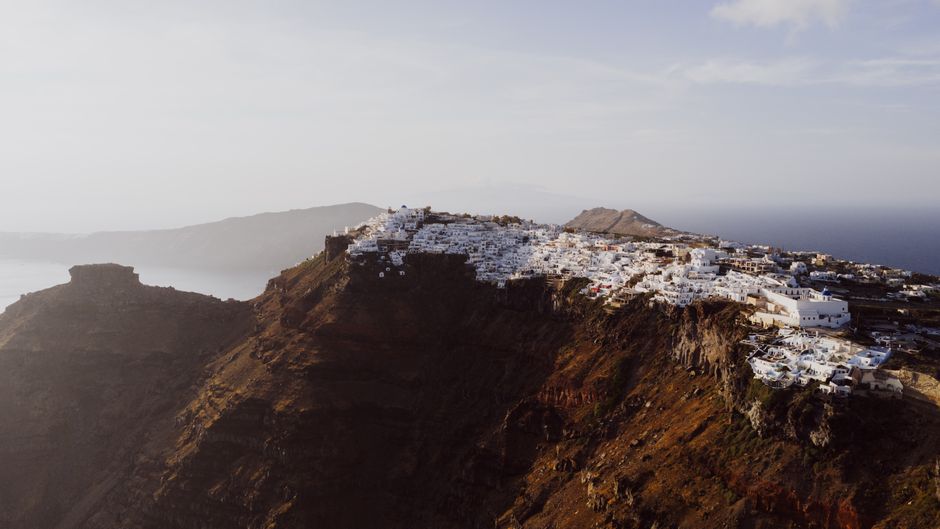
No other island has this. The flooded volcanic crater creates a sheer 300-meter cliff on the west side, with villages perched on the edge. The view from Skaros Rock in Imerovigli — looking down the caldera toward Oia at sunset — is one of the most dramatic landscapes in Europe. It’s not overhyped. It’s just expensive to access.
The Wine Is World-Class
Santorini produces some of Greece’s best wines. The volcanic soil and dry climate force vines to grow in a low, basket-like shape called kouloura. The Assyrtiko grape makes a crisp, mineral white that pairs with seafood better than anything from the mainland. Visit the wineries in Megalochori or near Akrotiri — tours cost €15–€25 and include 5–6 tastings. Much better value than a sunset dinner in Oia.
The Archaeological Sites Are Underrated
Most visitors skip Akrotiri, the Minoan Bronze Age settlement buried by the volcanic eruption in 1600 BCE. It’s a covered excavation site with intact multi-story buildings, drainage systems, and frescoes. Entrance is €12. You can walk through it in 90 minutes. It’s far more impressive than the overpriced museum in Fira — and almost never crowded.
When You Should Skip Santorini Altogether
This is the part most travel articles won’t tell you. There are clear situations where Santorini is a bad choice.
You want a beach holiday. Santorini’s beaches are volcanic sand — black, red, or dark brown. Kamari and Perissa are fine for a day, but they’re not the turquoise-water, white-sand beaches of Crete or Zakynthos. If swimming and lounging are your priority, go to Milos or Naxos instead.
You’re on a tight budget. I’ve seen couples blow their entire trip budget on three nights in Santorini and then have to eat supermarket sandwiches for the rest of their vacation. If your total trip budget is under $2,000 per person, skip Santorini. Spend that money on 10 days in Crete or 7 days in Naxos plus Paros. You’ll get more variety, better food, and actual beach time.
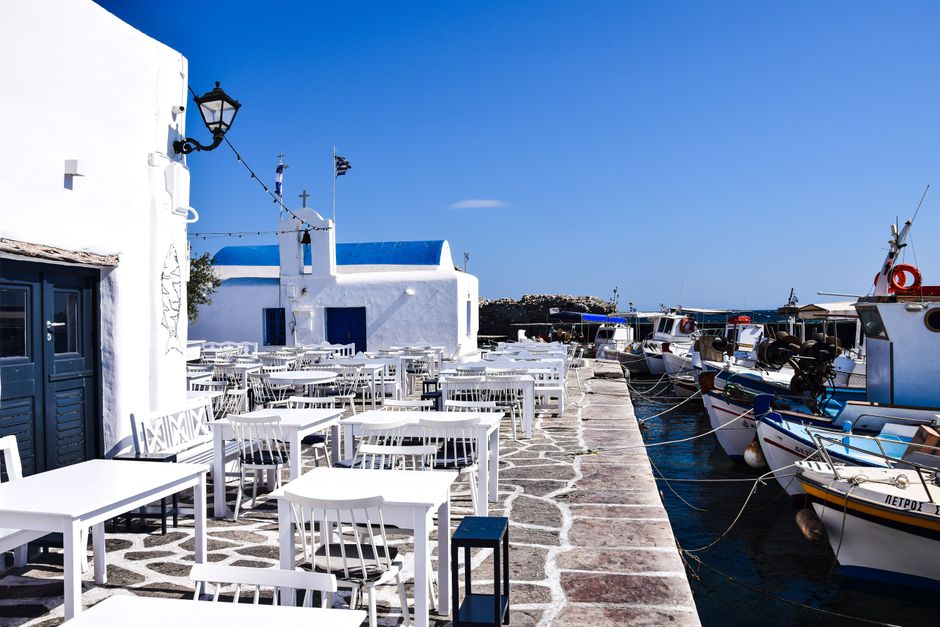
You hate crowds. If the idea of queuing for 45 minutes to take a photo makes you anxious, Santorini in peak season will ruin your vacation. Visit in shoulder season (May or October) or pick a different island entirely. Sifnos, Folegandros, and Amorgos offer similar whitewashed charm with 90% fewer people.
You want authentic local culture. Santorini’s economy is now 95% tourism. The locals I know either work in hotels, restaurants, or shops — or they’ve rented their houses to foreigners and moved to Athens. The island has lost most of its agricultural identity. If you want to see traditional Greek village life, go to the mountainous villages of Crete or the inland towns of Naxos.
How to Do Santorini Right (If You Still Want to Go)
If you’ve read all this and still want to go — and many people should, because the caldera genuinely is spectacular — here’s the playbook I give to friends who ask.
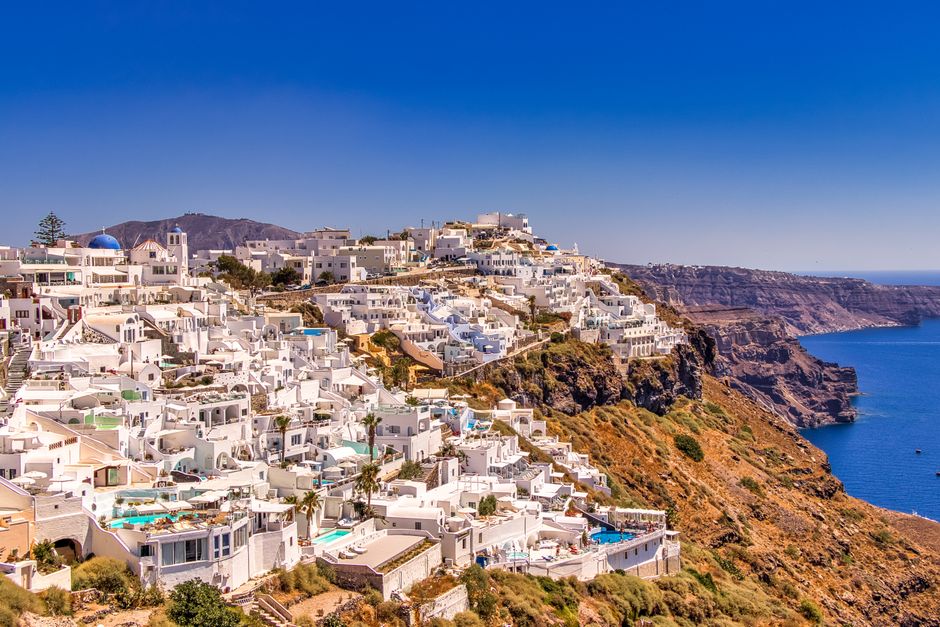
Stay in Pyrgos or Megalochori. These inland villages have caldera views from their upper streets, but rooms cost 40–50% less than Oia or Fira. Pyrgos has a lovely Venetian castle and good tavernas. Megalochori has wineries within walking distance.
Rent an ATV or small car. The bus system works but it’s slow and crowded. An ATV costs €35–€50 per day. It lets you visit the lighthouse at Akrotiri, the red beach (arrive before 9 AM), and the wineries on your own schedule. Just be careful on the roads — they’re narrow and drivers are aggressive.
Eat away from the caldera. Restaurants with caldera views charge a 30–50% premium for the same food. Walk one street inland in Fira — to places like To Psaraki or Kostas — and you’ll pay half the price for better quality. The fried calamari and tomato keftedes are the same. The view just costs extra.
Do the hike from Fira to Oia once. It’s 10 kilometers along the caldera edge, takes 3–4 hours, and gives you the best views on the island. Start at 7 AM to avoid the heat and the crowds. Bring water and good shoes. The trail is uneven and sections are unpaved.
Skip the sunset dinner in Oia. Instead, buy a bottle of local Assyrtiko, walk to the old castle ruins in Fira (not Oia), and watch the sunset from there. Same sky, fewer people, zero markup.
Bottom line: Santorini is not overrated — but it is oversold. The island delivers exactly what it promises: a dramatic volcanic caldera, iconic white-and-blue architecture, and exceptional wine. But the price to experience it without frustration is higher than most articles admit. If you have the budget and the patience, go. If you don’t, choose another island. You’ll still have a great time — and you won’t spend your vacation in a queue.