
You booked the cottage. You packed the waterproofs. Now you’re staring at a screen with 47 different “top 10” lists for Cornwall outdoor activities, and every single one promises the “ultimate” experience. The problem isn’t a lack of options — it’s that most recommendations skip the real costs, the weather risks, and the alternatives that might suit you better.
This article treats your time and money like an insurance policy: we look at the data, flag the exclusions, and give you a clear verdict. No fluff. No “must-see” nonsense. Just 7 outdoor adventures in Cornwall, ranked by what they actually deliver for different types of outdoor lovers.
1. The South West Coast Path: The Highest-Return Investment for Hikers
If you only do one thing in Cornwall, walk a section of the South West Coast Path. It’s 630 miles total, but the Cornish stretch — roughly 300 miles from Bude to Plymouth — is the crown jewel. The path is free, open year-round, and the views change every mile.
Real costs: Zero entry fee. Parking at popular start points like St Ives, Penzance, or Boscastle runs £4-£8 per day. A decent pair of waterproof walking boots (e.g., Merrell Moab 3 at £120) and a lightweight rain jacket (Berghaus Paclite at £90) are the only gear you need. Total upfront investment: ~£210. That’s less than a single day at some paid attractions.
Failure mode to avoid: Most people underestimate the terrain. This is not a flat seaside promenade. The path goes up and down coastal cliffs constantly. A 5-mile section can take 3-4 hours and involve 400m of elevation gain. Check the South West Coast Path Association website for grade ratings before you set out.
Best sections for different fitness levels
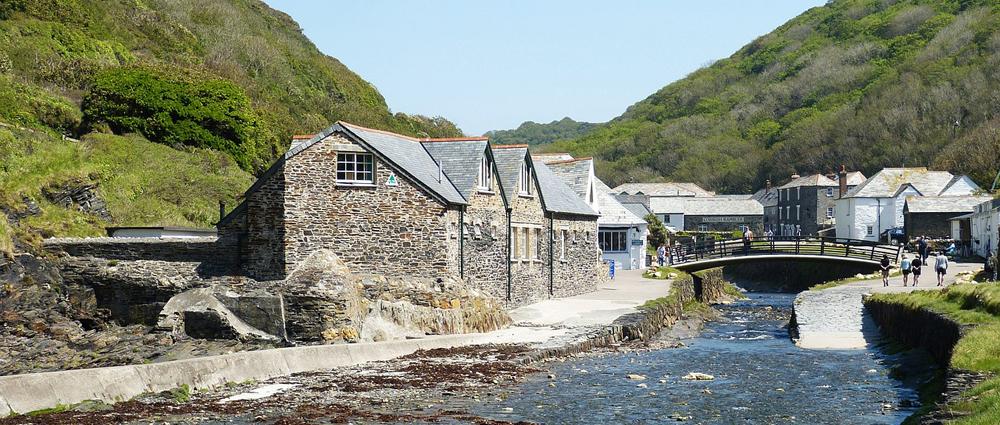
Easy (beginners/families): St Ives to Zennor (6 miles, mostly flat, stunning views). Moderate: Porthcurno to Land’s End (5 miles, some climbs, but the Minack Theatre and Land’s End make it worth the effort). Hard (experienced hikers): Boscastle to Tintagel (7 miles, steep climbs, but Tintagel Castle ruins are a reward).
Verdict: For £210 upfront and zero per-use fees, the South West Coast Path offers more scenic variety than any paid attraction in Cornwall. It’s the best value outdoor activity for anyone who can walk 3 miles.
2. Surfing in Newquay vs. St Ives: Which Beach Actually Delivers Better Waves?
Cornwall is the UK’s surf capital. But not all surf beaches are equal. Newquay gets the hype — Fistral Beach hosts international competitions — but St Ives offers better conditions for learners. Here’s the data.
| Beach | Best for | Wave height (typical) | Board hire (per day) | Lesson cost (2 hrs) | Crowd level |
|---|---|---|---|---|---|
| Fistral Beach, Newquay | Intermediate/advanced surfers | 3-6 ft | £20-£30 | £45-£60 | High (especially summer weekends) |
| Porthmeor Beach, St Ives | Beginners | 2-4 ft | £15-£25 | £35-£50 | Moderate |
| Gwithian Beach | All levels | 3-5 ft | £18-£28 | £40-£55 | Low-moderate |
Key insight: Fistral’s waves are bigger but more unpredictable. Porthmeor’s gentle rolling waves make it safer for first-timers. Gwithian Beach (10 miles north of St Ives) is the hidden gem — consistent waves, fewer people, and free parking if you arrive before 9am.
Failure mode: Don’t buy a wetsuit before your trip. Hire one. A good 5/4mm wetsuit costs £50-£80 per day to rent. Buying one (e.g., O’Neill Psycho Tech at £280) only makes sense if you surf at least 10 times a year. For a single holiday, renting is cheaper and you don’t have to dry it in your car.
Verdict: Beginners should go to Porthmeor Beach in St Ives. Intermediate surfers should head to Gwithian. Skip Fistral unless you’re comfortable in overhead waves and crowds.
3. The Eden Project: Overpriced Greenhouse or Genuine Outdoor Experience?
The Eden Project gets marketed as a top Cornwall attraction. Let’s look at the numbers. Adult ticket: £32.50 online (advance booking required). Family of four: £110. That’s not cheap. But is it an “outdoor” activity? Partially.
The Biomes are indoors (the Rainforest Biome is the largest indoor rainforest in the world). The outdoor gardens cover 30 acres and include Mediterranean plants, wildflower meadows, and a play area. But the core experience is climate-controlled. For pure outdoor lovers, the Eden Project is a backup option — great for a rainy day, but not the main event.
Alternatives that cost less and deliver more outdoor time:
– Lost Gardens of Heligan (£15 adult): 200 acres of historic gardens, woodlands, and jungle. More outdoor-focused, fewer crowds.
– Trengwainton Garden (£12 adult, National Trust members free): 25 acres of subtropical plants with views of Mount’s Bay. Less walking, more variety.
– Bodmin Moor (free): 80 square miles of open moorland with tors, stone circles, and wild ponies. Zero entry fee, maximum outdoor immersion.
Verdict: The Eden Project is a good rainy-day option, but it’s not the best outdoor value in Cornwall. For £32.50, you could park at Land’s End (free if you walk in from the coastal path), hike 5 miles along the cliffs, and eat a pasty with change left over.
4. Kayaking the Helford River: The One Activity Where Gear Quality Actually Matters
Sea kayaking along the Helford River is one of Cornwall’s best-kept secrets. The river is sheltered, the water is calm (even on windy days), and you can paddle past oak woods, secluded beaches, and the famous Frenchman’s Creek. But kayaking is the one outdoor activity where cheap gear can ruin your day — or worse, put you in danger.
Rental vs. buy: A half-day rental from Helford River Kayaks costs £35-£45 per person, including a sit-on-top kayak, paddle, buoyancy aid, and basic instruction. Buying a sea kayak costs £800-£1,500 (e.g., Perception Carolina 14 at £1,200). For a single trip, rent. For a week, rent. For a month or more, consider buying second-hand — check Preloved or Gumtree Cornwall for kayaks under £400.
Failure mode: Do not use a cheap inflatable kayak (e.g., Intex Challenger K1 at £80) on the open sea. The Helford River is tidal, and winds can pick up quickly. Inflatables puncture on submerged rocks, and they don’t track straight in currents. A hard-shell sit-on-top is the minimum safe choice.
Best time: Launch 2 hours before high tide. The river fills up, giving you access to smaller creeks. Paddle to Gillan Creek (1.5 miles from the launch point) for a quiet beach stop. Return with the ebb tide — it will carry you back.
Verdict: The Helford River is the best kayaking spot in Cornwall for beginners and intermediates. Rent a hard-shell kayak, go with the tide, and pack a dry bag with lunch. Total cost for a half-day: £40 per person. That’s a better value than any boat tour.
5. Mountain Biking at Cardinham Woods vs. Haldon Forest: Which Trail Network Wins?
Cornwall isn’t known for mountain biking, but it has two solid trail networks. Cardinham Woods (near Bodmin) offers 20 miles of trails across three routes. Haldon Forest (near Exeter, technically in Devon but close to the Cornish border) has 25 miles of trails, including a skills area. Here’s the breakdown.
Cardinham Woods: Entry is free. Parking costs £3 for 2 hours, £5 all day. The Red Route (6.5 miles, intermediate) is the standout — flowing singletrack with berms, rollers, and a few technical climbs. The Blue Route (4 miles, easy) is good for families. Bike hire from Trail Riders on-site: £35 for a hardtail (e.g., Vitus Nucleus 27), £55 for a full-suspension bike (e.g., Vitus Mythique 29).
Haldon Forest: Parking costs £4 all day. The Red Route (7 miles, intermediate) is more technical than Cardinham’s — rooty sections, tighter turns, and a longer climb. The Black Route (2 miles, advanced) has drops and rock gardens. Bike hire from Haldon Bike Hire: £40 for a hardtail, £65 for full-suspension.
When to choose each: Cardinham is better for beginners and intermediates who want flowy, non-intimidating trails. Haldon is better for experienced riders who want technical challenge. Both are well-maintained by Forestry England.
Failure mode: Don’t assume your road bike or hybrid will handle these trails. You need a mountain bike with at least 100mm front suspension. Renting is the smart move unless you already own a proper MTB.
Verdict: For most outdoor lovers, Cardinham Woods offers the best balance of trail quality, cost, and accessibility. The Red Route is worth the drive alone. Total cost for a day: £5 parking + £35 bike hire = £40. That’s less than a single theme park ticket.
6. Coasteering: The High-Risk, High-Reward Activity You Should Insure
Coasteering — climbing, scrambling, and jumping off cliffs into the sea — is uniquely Cornish. It’s also the activity with the highest injury rate among outdoor pursuits in the UK. A 2026 study by the Royal Society for the Prevention of Accidents found that coasteering accounted for 12% of all outdoor adventure injuries in Cornwall, despite representing less than 3% of participants.
Why it’s still worth doing: The adrenaline is unmatched. Jumping off a 20ft cliff into clear turquoise water, then swimming through a sea cave, is an experience no other activity provides. But the risk is real. Always use a qualified guide. Companies like Cornwall Coasteering (based in Porthleven) charge £45-£60 for a 3-hour session, including wetsuit, helmet, buoyancy aid, and instruction. They also carry first aid kits and have rescue protocols.
Failure mode: Never coasteer without a guide. The rocks are sharp, the tides change fast, and hidden currents can pull you out to sea. Even experienced swimmers have died attempting unsupervised coasteering. Check your travel insurance policy — many exclude coasteering as a “hazardous activity.” BMC insurance (British Mountaineering Council) covers it for £15 per year as an add-on.
When to skip it: If you have a fear of heights, can’t swim confidently in open water, or have pre-existing joint injuries (landing wrong from a jump can dislocate a shoulder), choose a different activity. Kayaking or cliff path walking offer similar coastal views with much lower risk.
Verdict: Coasteering is the single most thrilling outdoor activity in Cornwall, but it demands respect for the risks. Go with a guide, check your insurance, and don’t jump higher than you’re comfortable with. The cost (£50 for 3 hours) is reasonable for the experience.
7. Wild Camping on Bodmin Moor: The Cheapest Way to Sleep Outdoors (With Legal Caveats)
Wild camping — sleeping outside of designated campsites — is technically illegal in England and Wales without the landowner’s permission. But Bodmin Moor is one of the few places where it’s widely tolerated, as long as you follow the rules: pitch late, leave early, no fires, carry out all waste.
Gear checklist (minimum viable kit):
– Tent: Vango Banshee 200 (£100, 2-person, 2.5kg)
– Sleeping bag: Snugpak Softie Elite 3 (£80, comfort rating 5°C)
– Sleeping mat: Therm-a-Rest Z Lite Sol (£45, closed-cell foam, no inflation needed)
– Stove: MSR PocketRocket 2 (£40, 2.5-minute boil time)
– Total: £265 for a complete setup that lasts years.
Best spots on Bodmin Moor: Rough Tor (summit views, shelter behind the tor), Brown Willy (highest point in Cornwall, 1,377ft, but exposed to wind), Garrow Tor (quieter, near ancient stone circles).
Failure mode: The moor is open and exposed. Weather can change from sun to horizontal rain in 20 minutes. Bring a waterproof bivvy bag (e.g., Alpkit Hunka at £30) as a backup if your tent fails. Also, tell someone your exact location — phone signal is patchy.
When NOT to wild camp: If you’re a first-time camper, don’t start on Bodmin Moor. Use a campsite like Gwel an Mor (near Portreath, £25 per night for a pitch) where you have toilets, showers, and help nearby. Wild camping is for experienced outdoor lovers who can handle self-sufficiency.
Verdict: Wild camping on Bodmin Moor costs £0 per night (plus gear). It’s the cheapest way to experience Cornwall’s landscape. But it’s not for everyone. If you’re not confident in your navigation and weather-reading skills, stick to a campsite.
Cornwall’s outdoor scene is vast, but the best activities share one thing: they deliver real, tangible value for your time and money. The South West Coast Path, kayaking the Helford River, and mountain biking at Cardinham Woods top the list for reliability and cost-effectiveness. Coasteering and wild camping offer higher risk but higher reward. The Eden Project? Save it for a rainy day — literally. The future of outdoor travel in Cornwall isn’t about finding the next Instagram spot. It’s about choosing the right activity for your skill level, budget, and risk tolerance. That’s the only data point that matters.