
Alex is dreaming of towering Himalayan peaks and ancient monasteries. Tibet calls, but the internet offers a jumble of conflicting advice. “Summer is best!” one site claims. “No, it’s too crowded,” another warns. Alex pictures herself stuck in a tour bus traffic jam or battling altitude sickness because she picked the wrong month. The truth? Picking the best time to visit Tibet isn’t about finding a single perfect day. It’s about knowing what you want from your trip and understanding the unique challenges each season brings. Forget the idea that summer is always the golden ticket for high-altitude travel. For Tibet, peak season can often mean peak problems.
Why Summer Isn’t Always Your Best Bet for Tibet
Despite popular belief, summer (roughly July and August) brings unique challenges to Tibet travel. Many travelers assume warmer temperatures automatically translate to better conditions. While it’s true the valleys are green and daytime temperatures are mild, this period is also the peak tourist season. This means more crowds, higher prices, and increased pressure on limited resources like guides and vehicle rentals. It’s not just about comfort; the sheer volume of visitors can detract from the serene, spiritual experience many seek in Tibet.
Beyond the crowds, summer also coincides with Tibet’s monsoon season. While not as heavy or prolonged as in other parts of Asia, rainfall can still impact visibility for mountain views, particularly in late July and August. Trekking routes can become muddier, and road conditions might be less predictable, especially on journeys to remote areas like Mount Everest Base Camp (EBC). This doesn’t mean summer is entirely off-limits, but it requires careful planning and a realistic understanding of what to expect.
Understanding Monsoon’s Impact (Late July-August)
The Tibetan plateau experiences its rainy season primarily from late July through August. Rainfall is typically short, heavy bursts rather than continuous downpours, often occurring in the late afternoon or evening. This can make for lush landscapes, but it also means cloudy skies that obscure iconic peaks like Mount Everest. If your primary goal is crystal-clear mountain photography, this might not be the ideal window. Roads, particularly unpaved sections, can become more challenging, potentially leading to delays on longer routes.
Peak Season Crowds and Costs
July and August see the highest influx of both domestic and international tourists. Hotels, guesthouses, and tour operators operate at maximum capacity. This drives up prices for accommodation, transport, and guide services. Expect standard hotel rooms in Lhasa to jump from ¥300 to ¥600 or more per night. Securing your Tibet Travel Permit and other necessary documents can also become more competitive, requiring earlier application. If budget is a concern, or if you prefer a more solitary experience, these months are best avoided.
The Shoulder Seasons: April-May and September-October
If you’re looking for a balance of good weather, manageable crowds, and reasonable costs, the shoulder seasons are your strongest candidates. These periods offer distinct advantages that often outweigh the perceived benefits of peak summer. They represent the sweet spot for many travelers, providing excellent conditions for exploration without the intense pressure of high season.
| Season | Weather | Crowds | Cost (Relative) | EBC Access | Visibility |
|---|---|---|---|---|---|
| April-May | Mild, sunny, dry. Can still be cold at night/high altitude. | Moderate | Medium | Generally good | Excellent for peaks |
| September-October | Crisp, clear, sunny. Colder nights, especially late Oct. | Moderate-Low | Medium-Low | Excellent | Best for peaks |
April-May Specifics
Spring in Tibet (April to late May) offers pleasant, warming weather. Days are typically sunny and dry, with average daytime temperatures in Lhasa ranging from 15°C to 20°C. Nights remain cool, especially at higher altitudes, dropping to near freezing. This period is fantastic for trekking and sightseeing, as the landscapes begin to green, and the air is generally clear, offering superb views of the Himalayas. You’ll encounter fewer tourists than in summer, making for a more relaxed experience at popular sites like the Potala Palace. However, spring winds can sometimes be strong, particularly in the afternoons.
September-October Specifics
Autumn (September to October) is widely considered the very best time to visit Tibet. The monsoon rains have ended, leaving behind crystal-clear skies and incredibly stable weather. Daytime temperatures are comfortable, averaging 10°C to 18°C in Lhasa, though they drop significantly at night, especially as October progresses. The air is crisp, and mountain visibility is at its absolute best, making it prime time for views of Mount Everest. Crowds begin to thin out significantly after the Chinese National Day holiday in early October, and prices for tours and accommodation become more attractive. This window offers the ideal combination of great weather, stunning vistas, and fewer people.
Winter in Tibet: January-March
Winter in Tibet (January to March) is not for everyone, but it offers a profoundly unique and authentic experience. This is the off-season, meaning minimal tourist crowds and the lowest prices. You’ll witness Tibetan life as it truly is, with locals engaging in pilgrimages and daily routines. The air is dry and incredibly clear, providing stunning mountain views, though the cold can be intense. Expect daytime temperatures in Lhasa to hover around 0°C to 5°C, dropping well below freezing at night. Many routes to higher altitudes, like EBC, may be inaccessible due to snow and ice. However, for those seeking cultural immersion and don’t mind bundling up, it’s a deeply rewarding time.
Altitude Sickness: Managing the Unseen Challenge
Altitude sickness is a real concern for any traveler to Tibet, regardless of the season. It’s not about physical fitness; even seasoned athletes can be affected. Understanding how to prevent and manage it is crucial for a successful trip. Your body needs time to adjust to the lower oxygen levels. Rushing your itinerary, especially in the first few days, significantly increases your risk. Take it seriously; preparation is key.
- Slow Ascent: The most critical step. Plan your itinerary to allow for gradual acclimatization. Flying directly into Lhasa (3,650 meters / 11,975 feet) means immediate high altitude. Spend your first two to three days in Lhasa with minimal exertion.
- Stay Hydrated: Drink plenty of water. Avoid alcohol and excessive caffeine before and during your initial days. Herbal teas are a good choice.
- Avoid Strenuous Activity: No running, heavy lifting, or intense sightseeing on your first few days. Gentle walks are fine.
- Eat Lightly: Opt for easily digestible foods. Avoid heavy, fatty meals, especially in the evening.
- Consider Medication: Consult your doctor about prescription medications like Diamox (acetazolamide) to aid acclimatization. Start dosage a day or two before arrival.
Pre-Trip Preparation
Before you even leave home, consider your health. If you have pre-existing heart or lung conditions, consult your doctor about the risks of high-altitude travel. Engage in light aerobic exercise a few weeks before your trip to improve overall fitness, but understand this doesn’t prevent altitude sickness. Pack warm layers, even for summer, as temperatures can drop quickly. Essential items include a good quality water bottle and a small daypack for essentials.
On-Arrival Acclimatization
Upon arrival in Lhasa, resist the urge to immediately explore. Check into your hotel, unpack, and rest. Drink water. For your first few days, stick to gentle activities. Visit the Jokhang Temple or wander Barkhor Street slowly. Listen to your body. Headaches, nausea, dizziness, and fatigue are common initial symptoms. If symptoms worsen, immediately inform your guide. Do not push yourself. Descending to a lower altitude is the fastest cure for severe altitude sickness.
Your Tibet Permit Timeline: What You Need to Know
Traveling to Tibet requires a special permit, the Tibet Travel Permit, in addition to your Chinese Visa. You cannot travel independently; all foreign visitors must be part of an organized tour, including a licensed guide, a driver, and a pre-arranged itinerary. This process adds a layer of planning complexity that is vital to understand. Mismanaging your permit application is one of the quickest ways to derail your trip.
When should I apply for the Tibet Travel Permit?
The general recommendation is to apply for your Tibet Travel Permit at least 3-4 weeks before your intended travel date. However, during peak seasons (July, August, and the Chinese Golden Week holidays in early May and October), it’s wise to start the process even earlier, perhaps 6-8 weeks out. The permit is issued by the Tibet Tourism Bureau and can only be applied for by your chosen tour operator on your behalf. They will require copies of your passport and Chinese Visa. Keep in mind that the permit is typically only issued 7-10 days before your entry date, so last-minute applications are risky.
What documents are required for a Tibet Permit?
To apply for your Tibet Travel Permit, you will need a valid passport with at least six months of validity remaining and a valid Chinese Visa. Ensure your Chinese Visa is for ‘L’ (Tourist) or ‘F’ (Business) type. Visas issued for work or study in China may require additional documentation or prove more challenging for permit approval. Your tour operator will provide you with a form to fill out, which gathers essential personal details and your proposed itinerary. Always double-check that all information is accurate to avoid delays.
Can I travel to Tibet independently?
No, independent travel in Tibet is currently not permitted for foreign tourists. You must book your trip through a registered tour operator who will arrange your itinerary, transport, accommodation, and provide a licensed Tibetan guide. This guide must accompany you throughout your journey. While this might seem restrictive, it ensures your safety and compliance with local regulations. Attempting to enter Tibet without a valid permit and a pre-arranged tour will result in denial of entry.
Packing Smart for Any Tibet Season
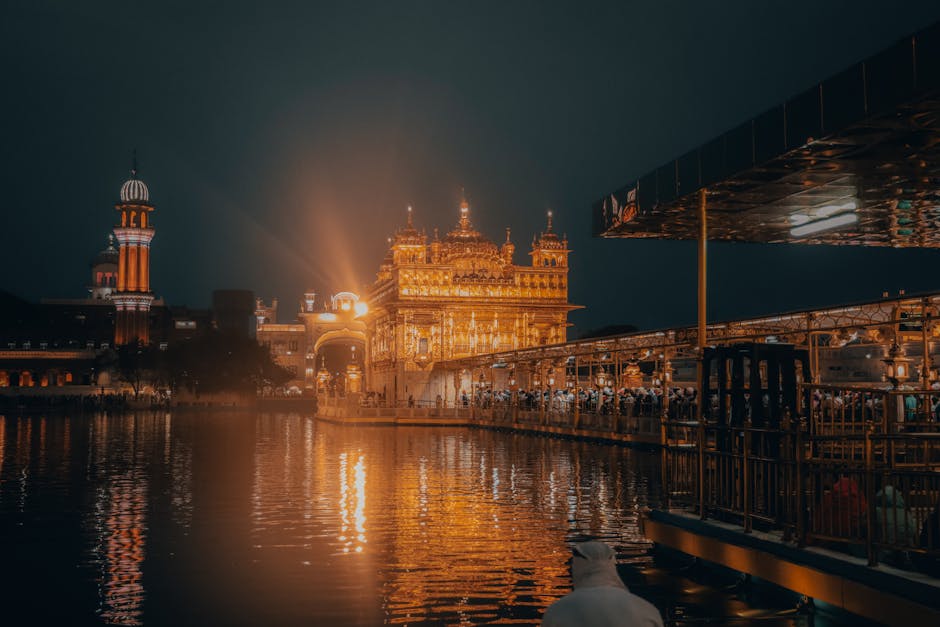
Tibet’s weather is notoriously unpredictable, especially at higher altitudes. Even in summer, temperatures can drop dramatically, and in the shoulder seasons, you might experience all four seasons in a single day. The key to comfortable travel is a versatile layering system that allows you to adapt quickly to changing conditions. Do not underestimate the need for warmth, even if the sun feels strong.
Essential Layering System
- Base Layer: Moisture-wicking thermal underwear (long-sleeved top and bottoms) is crucial. Merino wool or synthetic fabrics are best, as they keep you warm even if damp. Avoid cotton, which absorbs moisture and stays cold.
- Mid-Layers: Fleece jackets or down vests provide excellent insulation. A medium-weight fleece (200-300 weight) is ideal. For colder months, a thicker fleece or a second mid-layer might be necessary.
- Outer Shell: A waterproof and windproof jacket is non-negotiable. Look for a breathable material like Gore-Tex or similar. This protects against rain, snow, and the biting winds often found at high altitudes.
- Insulated Jacket: A warm down jacket is essential for evenings, early mornings, and any time spent at higher elevations (like EBC), regardless of the season. Choose one with a good fill power (e.g., 600-800) for maximum warmth-to-weight ratio.
Footwear and Headwear
Sturdy, comfortable, broken-in trekking boots are a must. They should be waterproof and provide good ankle support. Bring thick, moisture-wicking socks (wool or synthetic) to prevent blisters. For headwear, a warm beanie or wool hat is crucial, as significant body heat is lost through the head. A wide-brimmed hat or cap is also important for sun protection during the day, given the intense UV radiation at altitude. Don’t forget sunglasses with good UV protection, as snow glare can be severe.
Choosing Your Ideal Tibet Month
So, Alex, you now know that summer isn’t necessarily the best. Instead of chasing a single ‘best’ month, think about what truly matters for your trip. Are you a photographer seeking crisp mountain vistas? Do you prioritize cultural immersion over clear views? Is budget a primary concern, or avoiding crowds? Your ideal month depends entirely on your personal priorities. There’s a perfect time for everyone, once you define your goals.
Prioritizing Your Travel Goals
- For Best Mountain Views & Trekking (Minimal Rain): Aim for September-October. Clear skies, stable weather, and excellent visibility.
- For Moderate Weather & Fewer Crowds (Good Value): Consider April-May. Pleasant temperatures, beautiful landscapes, and a good balance of conditions.
- For Budget Travel & Authentic Cultural Experience (Cold Tolerance Required): January-March. Lowest prices, fewest tourists, but expect very cold weather and limited EBC access.
- For Warmer Weather & Green Landscapes (Crowd & Rain Tolerance): July-August. Warmest temperatures, lush scenery, but be prepared for crowds, higher costs, and potential monsoon showers.
Sample Itineraries by Month
If photography of Everest is your dream, target late September. For a quieter, spiritual journey focused on Lhasa’s monasteries, consider March or November. If a high-altitude trek around Mount Kailash is on your list, the warmer, drier months of late May or early October are better bets. Each month offers a different facet of Tibet, and by aligning your expectations with the seasonal realities, you can ensure your 2026 trip is everything you dreamed of, without the common pitfalls of peak season travel.