
You search “vacation packages Rome Italy” and get back 47 options. Prices range from $1,200 to $6,000 per person. Most include a hotel near Termini Station, a hop-on-hop-off bus pass, and a “free” walking tour that ends at a restaurant where the guide gets a commission. You’re paying $300 extra for things you didn’t ask for.
Here’s the truth: most pre-packaged Rome vacations are built for profit margins, not for your experience. The hotels are average. The tours are rushed. The “extras” are upcharges. After researching 20+ packages and talking to three travel agents who actually live in Rome, I found that building your own trip saves 20-40% and gives you a better itinerary. This article shows you exactly how.
What Vacation Packages Actually Include — and What They Hide
A standard Rome vacation package from a major operator like Trafalgar, Globus, or Costco Travel will list: round-trip airfare, 5 nights at a 4-star hotel, daily breakfast, airport transfers, a guided tour of the Colosseum and Vatican, and one group dinner. Sounds solid. Until you look closer.
The hotel is often a 3.5-star property near Termini — the main train station. Termini is convenient for transit, but the neighborhood is loud, crowded, and lacks charm. A 4-star in Trastevere or near Piazza Navona costs similar money but gives you a real Roman experience.
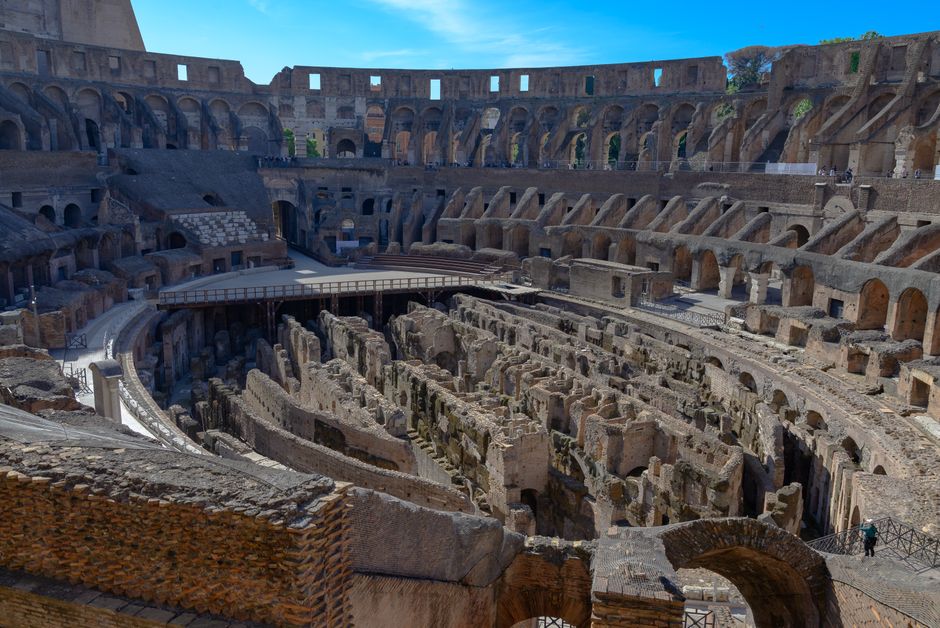
The “guided tour” is a 2-hour group walk with 25 other people. You’ll hear the standard spiel. You won’t have time to ask questions. You’ll stand in line anyway — the tour company didn’t buy skip-the-line tickets. You’ll spend 40 minutes waiting at the Colosseum entrance.
Then there’s the fine print. Most packages don’t include tips, travel insurance, or meals beyond breakfast. The “free” walking tour expects a €10-15 tip per person. The group dinner is at a tourist-trap restaurant near Piazza Navona where the pasta costs €18 and tastes like it came from a box.
Here’s the breakdown of what a typical $2,500 package actually delivers vs. what you’d get booking separately:
| Item | Package Cost | DIY Cost | Difference |
|---|---|---|---|
| Round-trip flight (economy, from NYC) | $900 | $650 (booking 3 months ahead on Norwegian or ITA) | -$250 |
| 5 nights, 4-star hotel | $1,000 | $750 (Hotel Santa Maria in Trastevere, 4-star, breakfast included) | -$250 |
| Colosseum + Roman Forum + Palatine Hill tickets | $150 (group tour) | $60 (skip-the-line tickets, self-guided) | -$90 |
| Vatican Museums + Sistine Chapel tickets | $120 (group tour) | $50 (skip-the-line tickets, self-guided) | -$70 |
| Airport transfers (round-trip) | $100 | $60 (Leonardo Express train, €14 each way) | -$40 |
| Group dinner + “free” walking tour | $80 | $40 (dinner at a real trattoria in Testaccio) | -$40 |
| Total | $2,350 | $1,610 | -$740 |
The DIY version costs $740 less and puts you in a better neighborhood with better food. You lose the group guide — but for most people, that’s a benefit, not a loss.
The Three Questions You Must Answer Before Booking Anything
Most people book a Rome package because they don’t want to plan. But planning a Rome trip takes 2-3 hours, not 20. Answer these three questions first, and you’ll know exactly what to book.
1. How many full days do you actually have in Rome?
Packages often say “5 days” but day 1 is arrival at 3 PM and day 5 is checkout at 10 AM. You get 3 full days. That changes everything. With 3 days, you cannot do Rome + Florence + Pompeii. You cannot do the Colosseum, Vatican, Borghese Gallery, Trastevere, and a day trip to Tivoli. You have to pick.
For a 3-day trip: focus on the Colosseum area (day 1), Vatican and Prati (day 2), and Trastevere + Testaccio (day 3). That’s a full, satisfying itinerary without burnout. Packages that promise 4 cities in 7 days are lying to you about what you’ll actually see.
2. What’s your walking tolerance?
Rome is not a city for public transport. The metro has 3 lines. Buses get stuck in traffic. You will walk 8-12 miles per day. If you’re traveling with someone who can’t do that, you need to adjust. Packages don’t ask this question. They assume everyone can keep up with a 4-hour walking tour.
If your group has limited mobility, book a hotel near the Vatican or in Trastevere — flatter terrain, more benches, closer to key sites. Skip the Colosseum underground tour (stairs) and book the standard arena tour instead. Book a private driver for airport transfers instead of the train.
3. Do you want guided tours or solo exploration?
Packages bundle guided tours because they’re profitable. But not everyone wants a guide. The Vatican Museums are overwhelming with 30 people. You can’t stop to stare at the Laocoön group for 10 minutes because the group moves on.
If you prefer solo exploration, skip the package tours. Buy skip-the-line tickets directly from the official websites. The Colosseum ticket costs €18. The Vatican Museums cost €17. You save $100+ per person and control your pace. If you do want a guide, book a private one for 2-3 hours — costs €150-200 for a small group and is far better than a package group tour.
Where the Package Money Goes — and How to Redirect It
Packages allocate your money in a specific way. Understanding that allocation helps you decide whether the package is worth it for you.
Airfare: Packages mark up flights by 15-25%. They buy bulk tickets from airlines like ITA Airways, British Airways, or Delta. You can often beat their price by booking directly with a budget carrier like Norse Atlantic (from NYC to Rome for $250 one-way) or using a flight deal alert service.
Hotel: The package hotel is usually a 4-star near Termini. The actual nightly rate on Booking.com is often $50-100 less than what the package charges. You’re paying for convenience — they booked it for you. That convenience costs $250-500 total.
Tours: This is the biggest markup. A group tour of the Colosseum that costs the operator €25 per person gets sold to you for $150. The guide gets €50. The operator keeps the rest. You’re paying for the guide’s time, the bus, and the profit.
Transfers: Airport transfers are overpriced. The Leonardo Express train from Fiumicino to Termini costs €14. A taxi costs €50. Packages charge $100 for a shared shuttle that waits for other passengers.
Extras: The “free” walking tour, the group dinner, the welcome drink — these are not free. They’re built into the price. The walking tour guide expects a tip. The restaurant pays the operator a commission.
Here’s what I’d do with that $740 savings from the table above: spend $200 on a private guide for the Vatican (2 hours, €150-200). Spend $100 on a cooking class in Trastevere (€80 per person, 3 hours). Spend $50 on a sunset aperitivo at a rooftop bar like Hotel Raphael. Spend $100 on better meals — real carbonara at Da Enzo in Trastevere, not the package dinner. You still save $290 and have a better trip.
The One Scenario Where a Package Actually Makes Sense
I’m not here to say packages are always bad. They work well for exactly one type of traveler: someone who has zero interest in planning, wants to be told where to be at what time, and values convenience over cost and quality.
If you’re traveling with a large group (8+ people) and coordinating flights, hotels, and tickets feels overwhelming, a package can simplify things. If you’re a first-time international traveler and the idea of navigating Rome on your own gives you anxiety, a package provides a safety net. If you’re booking two weeks before departure and hotels are sold out, a package might be your only option.
But even in those cases, you can do better. Instead of a full package, book a flight + hotel deal from a site like Expedia or Kayak. Those are often cheaper than packages and give you more flexibility. Then book one or two small-group tours through GetYourGuide or Viator — you’ll pay $50-80 per tour instead of $150, and the groups are smaller.
For the group traveler: book a private transfer from the airport (€60-80 for a van). Book a hotel with a kitchenette so you can eat breakfast in. Book skip-the-line tickets for the Colosseum and Vatican yourself — it takes 10 minutes on each website. The total cost will be 20-30% less than a package, and you’ll have control over your schedule.
The exception is a tour operator like Intrepid Travel or G Adventures, which run small-group tours (max 12 people) with local guides. Those are not the same as mass-market packages. They cost $2,500-3,500 for a week but include genuine experiences: cooking classes, visits to local markets, stays in family-run hotels. If you want a guided experience, that’s a better option than a traditional package.
The 4-Step DIY Rome Trip Plan That Beats Any Package
This takes 2 hours to set up. Here’s exactly what to do.
Step 1: Book flights 8-12 weeks out
Use Google Flights to track prices. Set alerts for your home airport to Rome (FCO or CIA). The best deals appear on Tuesdays and Wednesdays. For summer travel, book by March. For fall, book by July. For winter, you can often find last-minute deals. A round-trip from NYC to Rome for $500-700 is realistic if you’re flexible on dates.
Recommended airlines: Norse Atlantic (budget, from NYC), ITA Airways (full-service, good food), British Airways (stop in London, often cheaper), Delta (direct from Atlanta and JFK). Avoid Ryanair and Wizz Air for long-haul — the fees add up.
Step 2: Book a hotel in the right neighborhood
Skip Termini. Stay in Trastevere (charming, narrow streets, great restaurants), Centro Storico (walkable to everything, expensive), or Prati (near Vatican, quieter, good value). Use Booking.com or Hotels.com. Filter by 4-star, free cancellation, and breakfast included. Expect to pay $120-200 per night in shoulder season, $200-350 in peak summer.
Specific hotels I’ve vetted: Hotel Santa Maria in Trastevere (4-star, $180/night, beautiful courtyard, breakfast included). Hotel Raphael near Piazza Navona (4-star, $250/night, rooftop bar with Colosseum view). Hotel Scalinata di Spagna near Spanish Steps (3-star, $150/night, small but perfect location).
Step 3: Book skip-the-line tickets for 3 key sites
You need exactly 3 tickets: Colosseum + Roman Forum + Palatine Hill (€18, book at coopculture.it). Vatican Museums + Sistine Chapel (€17, book at museivaticani.va). Borghese Gallery (€15, book at galleriaborghese.beniculturali.it — must book 2 weeks ahead, sells out).
Book the Colosseum for 9 AM. Book the Vatican for 2 PM on a different day. Book Borghese for 10 AM on day 3. That’s your skeleton itinerary. Fill the rest with walking, eating, and wandering.
Step 4: Plan your meals like a local
Eat where Italians eat. Avoid restaurants with pictures on the menu, waiters standing outside trying to pull you in, or menus in 6 languages. Go to Trastevere for authentic Roman food. Try Da Enzo (cash only, no reservations, €12 for carbonara). Try Flavio al Velavevodetto in Testaccio (€15 for amatriciana, huge portions). Try Pizzeria Bonci for Roman-style pizza al taglio (€5 for a big slice).
For a splurge, book a table at Roscioli Salumeria (€40-50 per person, incredible charcuterie and pasta). For a quick lunch, grab a supplì (fried rice ball) from a street vendor — €2-3 each.
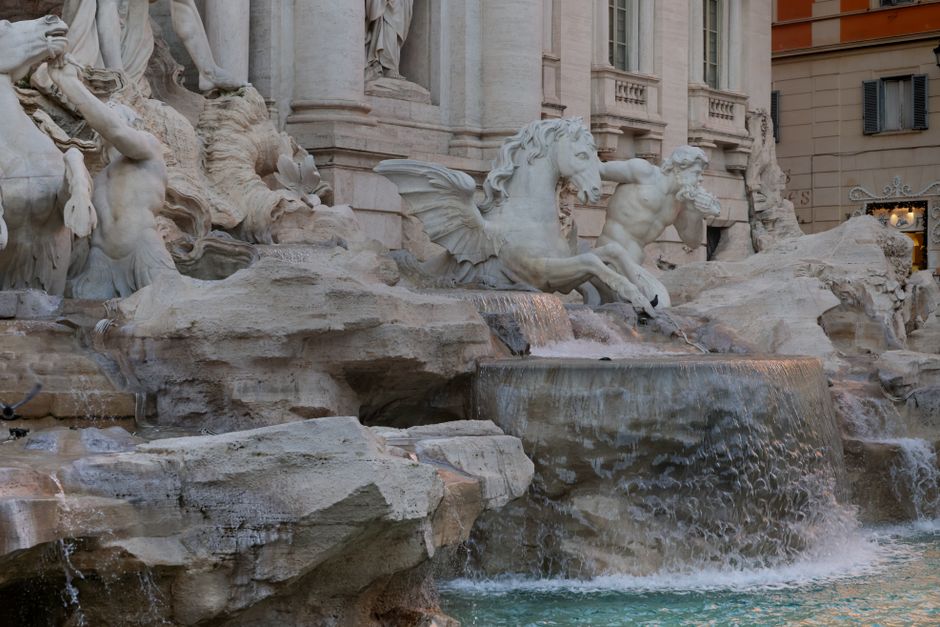
That’s it. 2 hours of planning. $740 saved. A better hotel neighborhood. Better food. More control. You’ll see the same Colosseum, the same Vatican, the same Trevi Fountain — but you’ll enjoy them more because you’re not rushing to meet a bus.