
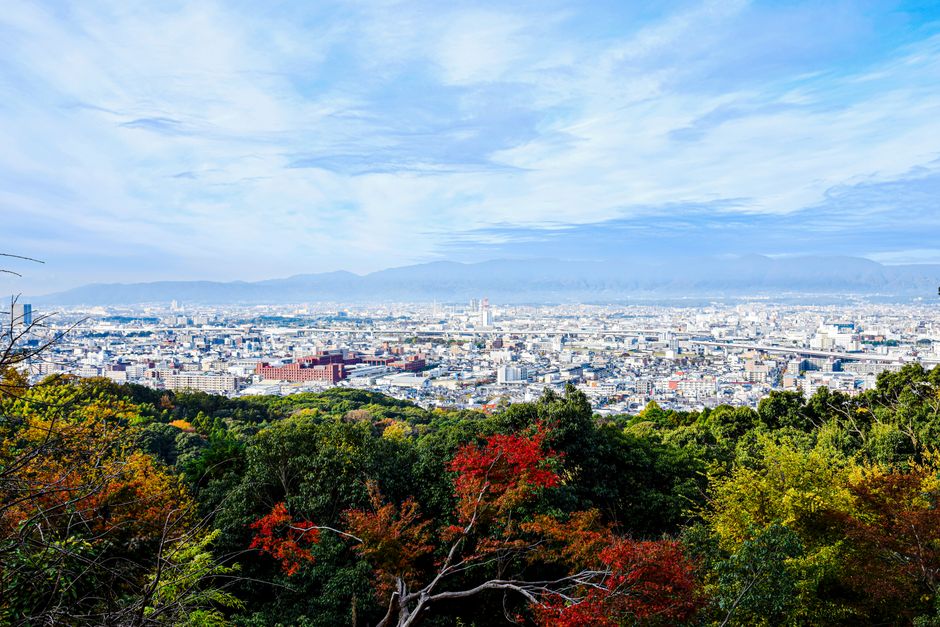
Most Kyoto itineraries are a lie. They send you to Kinkaku-ji at 10 AM with 4,000 other tourists. They promise “serenity” at Fushimi Inari, then you spend an hour shuffling shoulder-to-shoulder through the first 500 gates. That’s not exploration. That’s a theme park queue with better architecture.
This 5-day itinerary does the opposite. It targets the quiet corners, the temples that don’t make the Instagram feeds, and the food streets where locals actually eat. You’ll still see the famous spots — just at 6:30 AM when they’re empty. The rest of the time, you’re in neighborhoods most tourists never find.
You need comfortable walking shoes, a prepaid IC card (Suica or Icoca), and a willingness to wake up early three mornings. That’s it.
Day 1: The Eastern Hills — Temples, Tea, and a Garden You’ll Have to Yourself
Start at Ginkaku-ji (Silver Pavilion) at 7:30 AM. It opens at 8, but the queue forms at 7:45. Arrive early, walk the sand garden in near-silence, and you’re out before the tour buses pull up. The moss garden here is better than anything at Kinkaku-ji.
From there, walk the Philosopher’s Path south. It’s 2 kilometers along a cherry-lined canal. In April, it’s packed. In October or February, you’ll share it with maybe 20 other people. Stop at Honen-in — a tiny temple with a thatched gate and a gravel courtyard that most walkers miss. No entrance fee. No crowds.
Midday, detour to Okochi Sanso, the villa of actor Denjiro Okochi. The garden is spectacular — hillside views over Kyoto, a bamboo grove with almost no one in it, and a tea house where entry includes matcha and a sweet. The ticket costs ¥1,000. The peace is priceless.
Afternoon: Nanzen-ji. This is a massive temple complex with a 100-year-old aqueduct running through it. Most visitors walk straight past the aqueduct to the main hall. Don’t. Walk up the stone steps behind it to the smaller subtemples. Tenju-an has a rock garden that rivals Ryoan-ji, and you’ll likely have it to yourself.
End the day at Pontocho Alley for dinner. Skip the main street restaurants — they’re overpriced. Walk the narrow alley parallel to the river. Look for places with a single lantern and no English menu. Yakitori Ippo serves grilled chicken skewers for ¥150 each. Point at what looks good.
Day 2: Northern Kyoto — The Mountain Temple and the Secret Cable Car
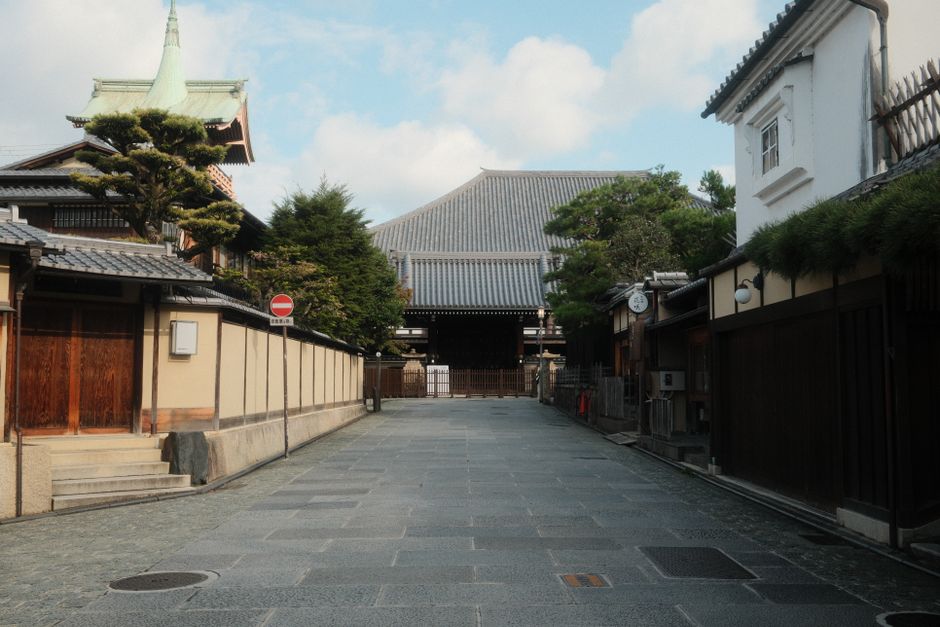
Take the Eizan Railway from Demachiyanagi Station to Kibune. The train ride itself is 30 minutes through forested hills. In summer, restaurants along Kibune River set up platforms over the water where you eat chilled soba while your feet dangle above the current. Book Hirobun two weeks ahead for this.
From Kibune, hike the 2.5-kilometer mountain trail to Kurama. It’s a steady uphill through cedar forest — takes about 90 minutes. The reward is Kurama-dera, a temple perched on the mountainside with a main hall that overlooks the entire valley. The energy here is different. This temple is a major power spot in Japanese spiritual practice. Sit on the wooden deck for 10 minutes. Don’t look at your phone.
Take the Kurama Cable Car down (¥200, runs every 20 minutes). It’s a funicular that drops you at the base of the mountain near Kurama Station. From there, train back to Kyoto Station.
Evening: Nishiki Market. It’s a 400-meter-long covered market with 130 stalls. But go at 5 PM, not noon. The crowds thin, and vendors start discounting prepared food. Try tamagoyaki (rolled omelet) from Aritsugu — they’ve been making knives and cooking since 1560. ¥300 for a skewer. Eat it standing up.
Day 3: Southern Kyoto — The Temple of 1,000 Gates (Done Right) and a Moss Garden
This is the early morning. Fushimi Inari opens 24 hours, but the gates are lit and empty at 6:00 AM. Be at the main gate by 5:45. Walk past the first section of gates — everyone stops there. Go straight to the Yotsutsuji intersection, 30 minutes up. From there, take the less-used eastern loop trail. You’ll pass through smaller shrines with moss-covered foxes and zero people. The full loop is 4 kilometers and takes 2 hours. Do it. The photos from the top with the city in dawn light are worth the sweat.
After Fushimi, take the JR Nara Line one stop to Tofuku-ji Station. Tofuku-ji is the best autumn foliage temple in Kyoto, but even in other seasons, its gardens are exceptional. The main attraction is the Tsutenkyo Bridge — a covered wooden bridge over a valley of maple trees. In spring, the new green leaves create a canopy. In November, it’s red and orange. Either way, the bridge sees maybe 10% of the crowd at Kiyomizu-dera.
Afternoon: Byodo-in in Uji. Take the Keihan Line from Tofuku-ji to Uji (15 minutes). The Phoenix Hall is on the 10-yen coin. The real draw is the museum underneath the hall, which houses the original statues and the actual phoenix finials from the roof. The matcha here is the best in Kyoto — Uji is the birthplace of Japanese green tea. Nakamura Tokichi Honten serves matcha parfait with a view of the river. ¥1,200.
Day 4: Arashiyama Without the Bamboo Mob — and a Secret Garden
Everyone goes to Arashiyama for the bamboo grove. Here’s the problem: the main path through the bamboo is 200 meters long and at peak hours holds 500 people. Go at 7:00 AM. Or better, skip the main path entirely and enter from the Okochi Sanso side. There’s a second bamboo path behind the villa that runs along a stream. Almost nobody finds it.
After bamboo, walk to Tenryu-ji. The temple itself is fine, but the garden is the point. It was designed by Muso Soseki, a 14th-century Zen master. The pond reflects the surrounding hills. Sit on the veranda for 15 minutes. Don’t walk through — sit. The garden is meant to be viewed from stillness.
Lunch: Yoshimura, a soba shop on the river. The tempura soba is ¥1,500 and the second-floor windows overlook the Katsura River. In autumn, the maples outside the window turn red while you eat.
Afternoon: Katsura Rikyu (Katsura Imperial Villa). This is the hidden gem. It’s a 17th-century villa with a garden that’s considered the pinnacle of Japanese landscape design. You must book a tour in advance through the Imperial Household Agency website. Tours are free, in English, and limited to 20 people. The garden has eight tea houses, each placed to capture a different view of the pond or the moon. The tour takes 60 minutes. You will see zero selfie sticks.
| Site | Best Time | Crowd Level | Entry Fee |
|---|---|---|---|
| Fushimi Inari (main path) | 6:00 AM | Empty | Free |
| Bamboo Grove (main path) | 7:00 AM | Moderate | Free |
| Katsura Rikyu | Any (booked tour) | Very low | Free |
| Kinkaku-ji | Never (skip it) | Extreme | ¥500 |
| Okochi Sanso | 10:00 AM | Low | ¥1,000 |
Day 5: The Northwest — Ryoan-ji, Kinkaku-ji at Dawn, and a Final Dinner
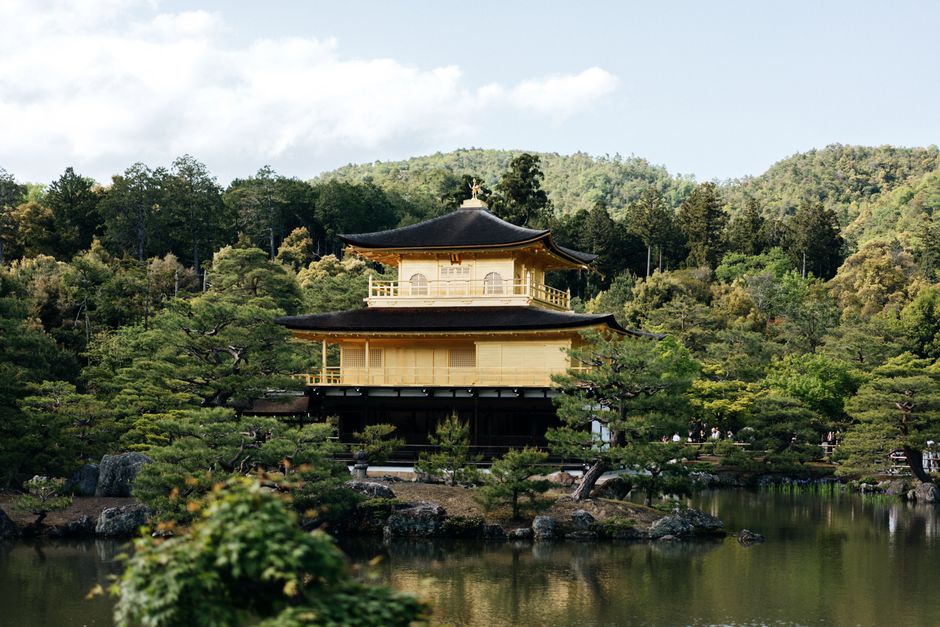
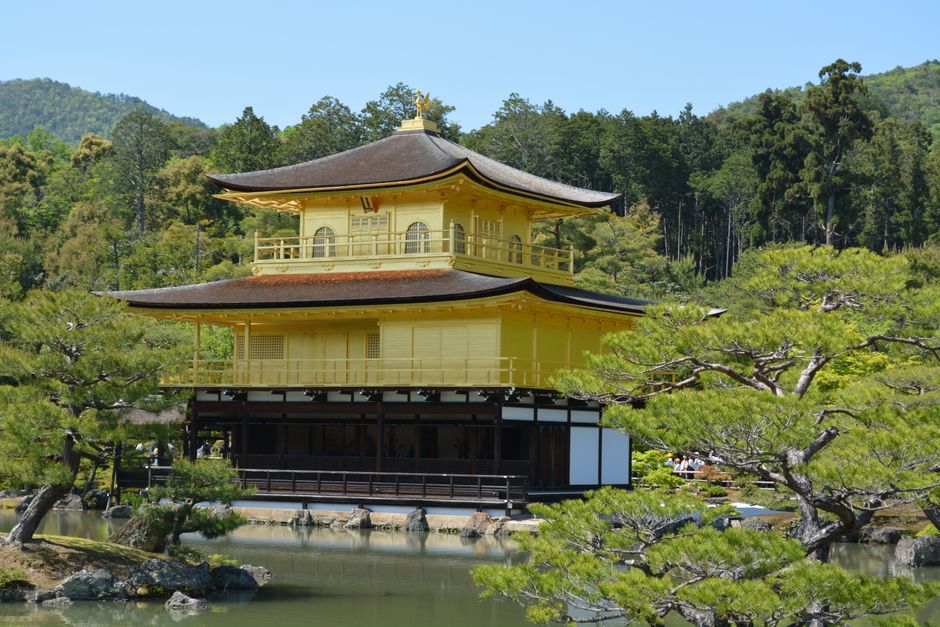
Final day. One last early morning. Kinkaku-ji opens at 9:00 AM. Be there at 8:45. You’ll be in the first group admitted. The gold pavilion reflecting in the pond is worth seeing once. The trick is to take your photo from the designated spot, then walk around the back of the pond to the less-visited side. From there, you get the reflection without the crowd in your frame.
Walk 20 minutes to Ryoan-ji. The rock garden is 15 stones arranged on raked white gravel. No one knows why they’re placed that way. The garden is small — you’ll see it in 10 minutes. The real experience is sitting on the wooden porch and letting your eyes unfocus. Stay for 20 minutes. The garden changes as the light shifts.
From Ryoan-ji, take bus 59 to Kinkaku-ji-mae, then transfer to bus 204 to Daitoku-ji. This is the largest Zen temple complex in Kyoto, with 24 subtemples. Most visitors skip it because it’s not in the guidebooks. Daisen-in has a dry landscape garden that tells a story — the rocks represent a tiger carrying her cubs across a river. The moss garden at Koto-in is covered in bamboo groves and feels like a forest shrine. Both subtemples cost ¥400 each and you’ll share them with a handful of people.
Final dinner: Gion. Walk the main street, then turn down any side alley. Look for a restaurant with a noren (fabric curtain) at the door and no English sign. Gion Karyo serves kaiseki (multi-course dinner) starting at ¥5,000. It’s expensive, but it’s the real thing — seasonal ingredients, precise presentation, and a setting in a 100-year-old machiya townhouse. Book three days ahead.
After dinner, walk to Kennin-ji. The temple grounds are open at night. The main hall has a ceiling painting of two dragons that’s illuminated after dark. No crowds. No noise. Just you, the dragons, and the sound of the wind through the pine trees.