In 2026, the Indian government processed over 3.5 million e-Visa applications. Roughly 525,000 of them were rejected. That’s one in seven travelers who planned a trip, booked flights, and then got denied entry at the digital doorstep.
Most rejections aren’t about criminal records or overstays. They’re about a blurred passport scan, a mismatched name, or selecting the wrong visa type. These are fixable errors. Here’s exactly what goes wrong and how to get it right the first time.
Mistake #1: Uploading a Blurry or Cropped Passport Scan
The single most common rejection reason is an unreadable passport scan. The system uses automated character recognition to pull your name, date of birth, and passport number. If the scan is blurry, angled, or has fingers covering the edges, the machine reads garbage. Human reviewers then flag it as inconsistent.
Fix: Place your passport flat on a dark, non-reflective surface. Use a scanner set to 300 DPI minimum. The file must be a JPEG or PNG under 300 KB. If you’re using a phone camera, shoot in direct daylight with no shadows across the data page. Crop exactly to the passport edges — no extra background.
One traveler I spoke with had her application rejected because the bottom edge of the passport page was cut off by 2mm, hiding the machine-readable zone. She resubmitted with a full scan and was approved in 48 hours.
Mistake #2: Entering a Name That Doesn’t Match the Passport Exactly
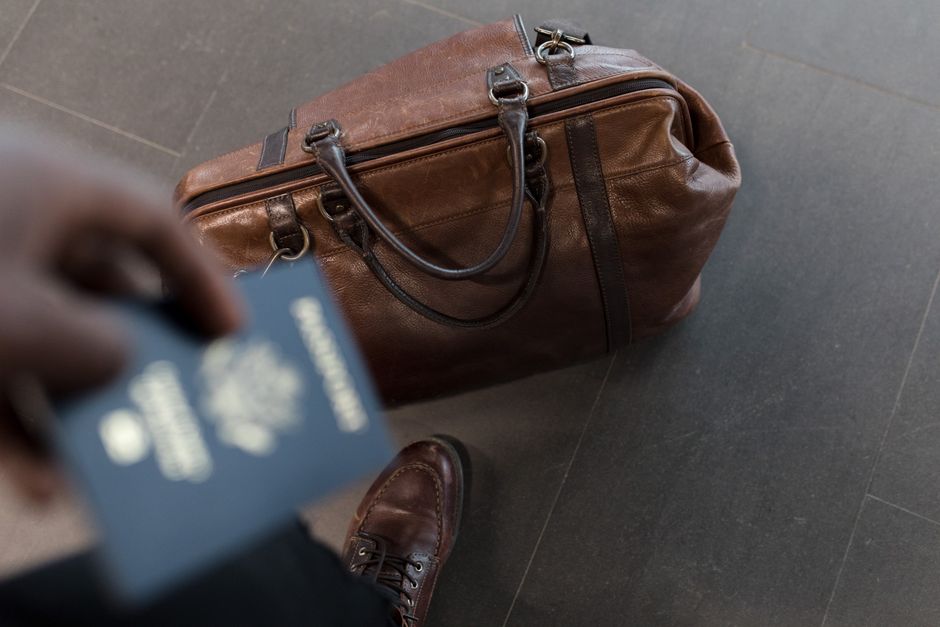
The e-Visa system compares your name against the passport’s machine-readable zone letter by letter. A missing middle name, an extra space, or a swapped first and last name triggers an automatic mismatch flag.
Fix: Copy your name exactly as it appears on the passport’s data page. If your passport lists “Surname: Smith” and “Given Names: John Michael”, then enter Smith as the family name and John Michael as the given name. Do not abbreviate. Do not drop the middle name even if you never use it. Hyphenated names must include the hyphen.
If you’ve changed your name since the passport was issued (marriage, divorce), you cannot use the new name on the e-Visa. The application must match the passport you will travel with.
Mistake #3: Choosing the Wrong Visa Category
India offers five e-Visa sub-types: e-Tourist, e-Business, e-Medical, e-Medical Attendant, and e-Conference. Each has strict eligibility rules. Selecting the wrong one leads to instant rejection or denial at immigration.
Here’s the trap: the e-Tourist visa is for tourism, visiting friends, or short yoga retreats. It cannot be used for any business activity, even a single meeting. The e-Business visa requires an invitation letter from an Indian company and a business card or company letterhead. The e-Medical visa needs a referral letter from a recognized hospital in India.
| Visa Type | Allowed Activities | Required Documents | Typical Processing Time |
|---|---|---|---|
| e-Tourist | Sightseeing, visiting family, casual study (under 30 days) | Passport scan, photo, address in India | 24-72 hours |
| e-Business | Meetings, conferences, trade fairs, recruitment | Invitation letter, business card | 48-96 hours |
| e-Medical | Receiving medical treatment at a recognized hospital | Referral letter from Indian hospital | 48-96 hours |
| e-Medical Attendant | Accompanying a patient on e-Medical visa | Patient’s e-Medical visa reference number | 48-96 hours |
| e-Conference | Attending a specific government-recognized conference | Invitation from conference organizer | 48-96 hours |
Verdict: If your trip includes even one business meeting, apply for the e-Business visa. Do not “save time” by picking e-Tourist. The immigration officer at Delhi airport will deny you entry.
Mistake #4: Submitting a Photo That Breaks the 2×2 Inch Rule
The e-Visa photo must be exactly 2 inches by 2 inches (51mm x 51mm), with the face occupying 50-69% of the frame. White background, no shadows, no glasses, no head coverings except for religious reasons. Smiling is allowed but teeth should not be visible.
Most rejections here come from home-taken photos that are too small, have a colored background, or include visible shoulders wearing a shirt that blends into the background. The system checks pixel dimensions and color distribution. If the background isn’t pure white (RGB 255,255,255), it fails.
Fix: Use a passport photo booth at a pharmacy or post office. They cost $10-15 and guarantee compliance. If you must take it at home, stand against a white wall, use a camera set to 5MP or higher, and crop to exactly 2×2 inches at 300 DPI. Free online tools like IDPhotoDIY can check compliance before you upload.
Mistake #5: Ignoring the 30-Day Advance Application Rule
You can apply for an e-Visa starting 30 days before your travel date. Not 31. Not 60. The system rejects applications submitted outside this window. This catches travelers who plan months ahead and try to “get it out of the way.”
Fix: Set a calendar reminder exactly 30 days before departure. Apply on that day or any day up to 4 days before travel. The processing time is usually 24-72 hours, but applying at the 30-day mark gives you a buffer if documents are questioned.
One Australian couple I know booked a non-refundable $3,000 tour package three months in advance, applied for the e-Visa immediately, and were rejected because they were 60 days early. They had to reapply later and pay the fee again — $100 per person, non-refundable.
Mistake #6: Using a Third-Party Website That Charges 3x the Fee
The official India e-Visa fee for a 30-day e-Tourist visa is $25 (plus a $2.50 convenience fee). Many third-party sites charge $75-100 for the same service. They do nothing extra except fill out the form you could fill yourself. Worse, some use outdated forms that get rejected.
Fix: Only use the official Indian government portal at indianvisaonline.gov.in. The URL ends in “.gov.in”. If you Google “India e-Visa”, the first four results are often paid ads for third-party agencies. Scroll past them. The official site charges exactly the government rate plus a small processing fee.
If you’re unsure, check the fee schedule on the Ministry of Home Affairs website. Any site charging more than 10% above the official rate is a middleman you don’t need.
Mistake #7: Not Printing the e-Visa Approval Before Departure
This isn’t a rejection issue — it’s a boarding denial issue. Airlines are required to verify your e-Visa before issuing a boarding pass for India. If you arrive at the airport without a printed copy or a clear digital version saved offline, the check-in agent can refuse to let you fly.
Fix: After approval, print two copies of the e-Visa document. Keep one in your carry-on and one in your checked luggage. Save a PDF copy on your phone’s local storage (not just email, which requires internet). The e-Visa is linked to your passport number electronically, but the physical copy is what the airline and immigration officer see first.
One traveler in 2026 was denied boarding at London Heathrow because his phone battery died and he had no printed copy. The airline said they couldn’t verify his visa status without the document number. He missed his flight, lost $1,200, and had to rebook for the next day.
What to Do If Your Application Gets Rejected
Rejections come with a generic reason like “document not clear” or “information mismatch.” The system does not tell you exactly which field failed. You have two options:
Reapply immediately — You can submit a new application with corrected documents. The $25 fee is charged again. Most travelers get approved on the second attempt if they fix the specific error.
Contact the Indian embassy — If you believe the rejection was an error, email the Indian embassy in your country with your application reference number, passport copy, and a brief explanation. Response times vary from 3-10 days. This route is slower but may save the fee if the error was on their side.
The smartest move is to apply at least 10 days before travel. This gives you time for one rejection and one reapplication without missing your flight. The e-Visa system is efficient — 85% of applications are approved within 72 hours. The rejections are almost always preventable.