
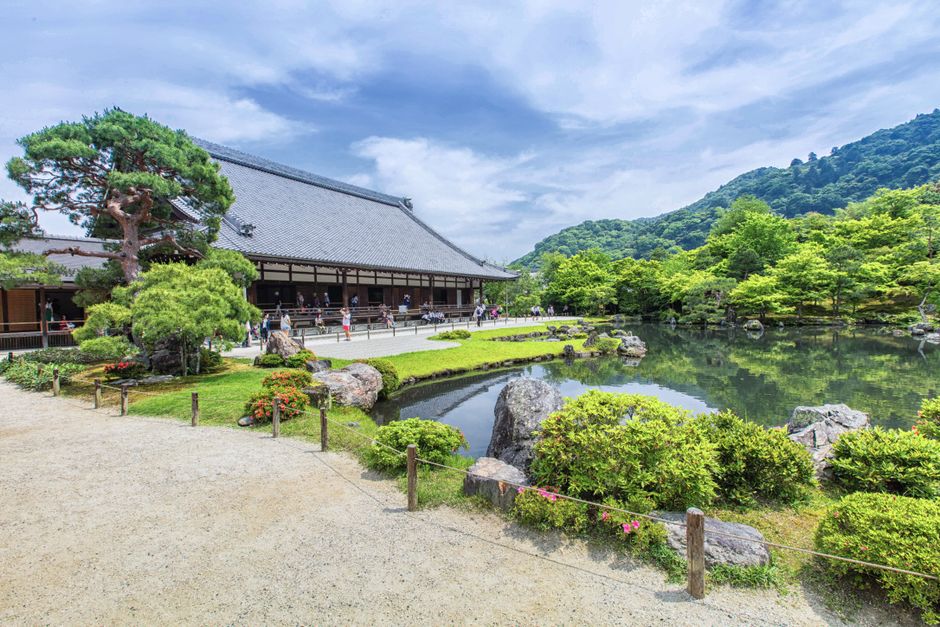
You’ve booked the flight. You have four days to see a city that has 17 UNESCO World Heritage sites, 1,600 temples, and a history spanning 1,200 years. The standard advice — “just wander and explore” — is useless when you’re standing at Kyoto Station at 8 AM with a jet-lagged brain and a phone at 40% battery. What you actually need is a schedule that accounts for real walking distances, opening hours, and the fact that Fushimi Inari at noon is a human river, not a spiritual experience.
This itinerary is built from crowd data, actual transit times, and the hard truth that you cannot see everything. It prioritizes depth over breadth. You will walk 12 to 18 kilometers per day. You will eat well. You will leave without feeling like you failed.
Day 1: The Eastern Hills — Temples, Paths, and Avoiding the Crowd Wave
Most tourists start at Kinkaku-ji (the Golden Pavilion) at 9 AM. Bad move. The bus from Kyoto Station takes 40 minutes, and the line forms by 8:30. Instead, start at Nanzen-ji (opens 8:40 AM, free entry to the grounds). It is massive, mostly empty before 10 AM, and the aqueduct running through the temple complex is a genuine architectural oddity.
From Nanzen-ji, walk the Philosopher’s Path south. It is a 2-kilometer canal-side path lined with cherry trees (bloom late March to early April). In off-season, it is quiet and green. The path ends at Ginkaku-ji (the Silver Pavilion, ¥500 entry). The sand garden here is precise and small. Spend 30 minutes max.
Lunch at Omen Kodai-ji (udon noodles, ¥1,200–¥1,800). They have an English menu. No reservation needed before 12:30.
Afternoon: Kiyomizu-dera (¥400). The wooden terrace is under renovation until 2030, but the view is still open and the hillside setting is worth the climb. The real value here is the Otowa Waterfall — you can drink from three streams (longevity, success, love). Pick one. Drinking from all three is considered greedy.
End at Ninenzaka and Sannenzaka, the preserved stone-paved streets below Kiyomizu-dera. Shops close at 5 PM. Be there by 4.
Failure mode: Trying to do Kiyomizu-dera AND Fushimi Inari on the same day. They are on opposite sides of the city. Your legs will quit by 3 PM.
Day 2: Arashiyama and the Bamboo Grove — Timing Is Everything
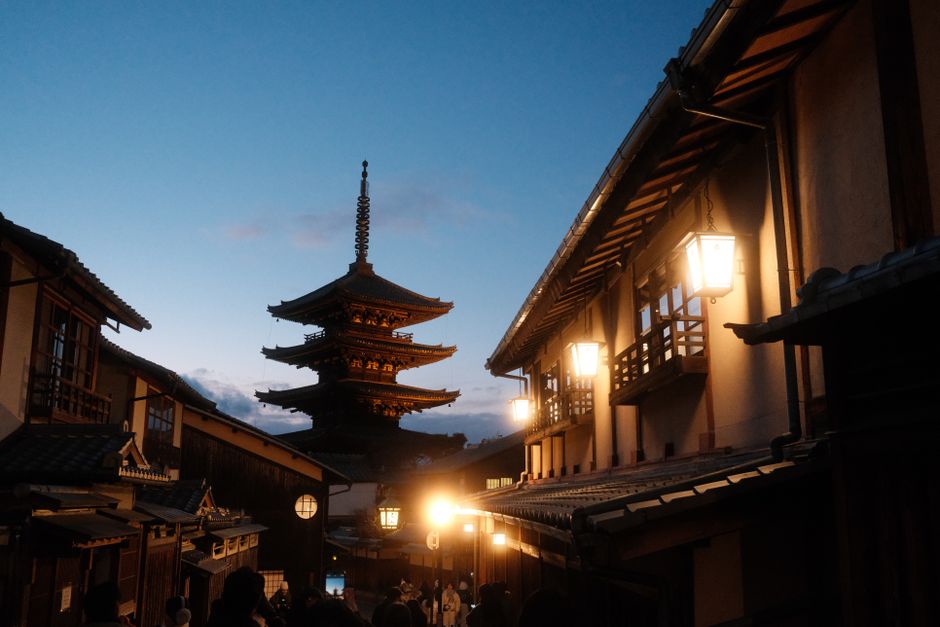
The Arashiyama Bamboo Grove is the single most photographed spot in Kyoto. It is also the most disappointing if you go at 11 AM. At that hour, the path is shoulder-to-shoulder, the light is harsh, and you cannot hear the bamboo creak because of the selfie sticks.
Go at 6:30 AM. Seriously. The JR Sagano Line from Kyoto Station to Saga-Arashiyama station runs from 5:30 AM. The walk to the grove takes 10 minutes. At 6:45, you will share the path with maybe 12 other people. You can stand still for 30 seconds without being pushed. The light is soft. The bamboo sways audibly. This is the version you saw in the photos.
By 8 AM, the tour buses arrive. Leave the grove and walk to Tenryu-ji (opens 8:30 AM, ¥500). The garden here is the real attraction — a 14th-century pond garden designed by Muso Soseki. Sit on the veranda for 10 minutes. Do not rush this.
Head to the Okochi Sanso Villa (¥1,000, includes matcha and a sweet). This is the former estate of a silent film actor. The garden is terraced, quiet, and almost nobody goes here. The matcha break on the hilltop overlooks the entire Arashiyama valley.
Lunch: Yoshimura Soba (¥1,500–¥2,000). Order the zaru soba with tempura. They have a counter overlooking the Katsura River.
Afternoon: Jojakko-ji — a steep hillside temple with moss, maple trees, and almost no crowds. The pagoda at the top gives a view of the city. Entry is ¥500.
Verdict: If you only do one thing in Arashiyama, do the bamboo grove at dawn. Everything else is a bonus.
Day 3: Fushimi Inari and Southern Kyoto — The 2-Hour Rule
Fushimi Inari Taisha is open 24 hours, free, and lit at night. Most tourists go between 10 AM and 3 PM. The main path is packed. The solution is simple: go after 5 PM in winter (4 PM in summer) or before 7 AM. The famous thousand torii gates are crowded at the bottom, but 80% of visitors turn back after the first 500 meters. Keep walking for 20 minutes, and you will have entire gate tunnels to yourself.
The full loop to the summit and back is 4 kilometers and takes 2 hours. Do not do the full loop if it is raining — the stone steps become slick, and the forest canopy blocks what little light there is.
Alternative: Skip the summit. Go up to the Yotsutsuji intersection (halfway point). The view of Kyoto from here is better than the summit, and you save 40 minutes.
After Fushimi Inari, walk 15 minutes to Tofuku-ji (¥400). This temple is famous for its autumn foliage (mid-November), but the Tsutenkyo Bridge and the moss garden are worth seeing year-round. Crowds are thin even at noon.
Lunch: Men-ya Itto (tsukemen dipping noodles, ¥1,100). Arrive before 11:30 AM or expect a 30-minute wait.
Failure mode: Assuming Fushimi Inari is a 30-minute stop. It is not. Budget 90 minutes minimum if you want the experience to feel meaningful.
Day 4: Northern Kyoto and the Real Cost Breakdown
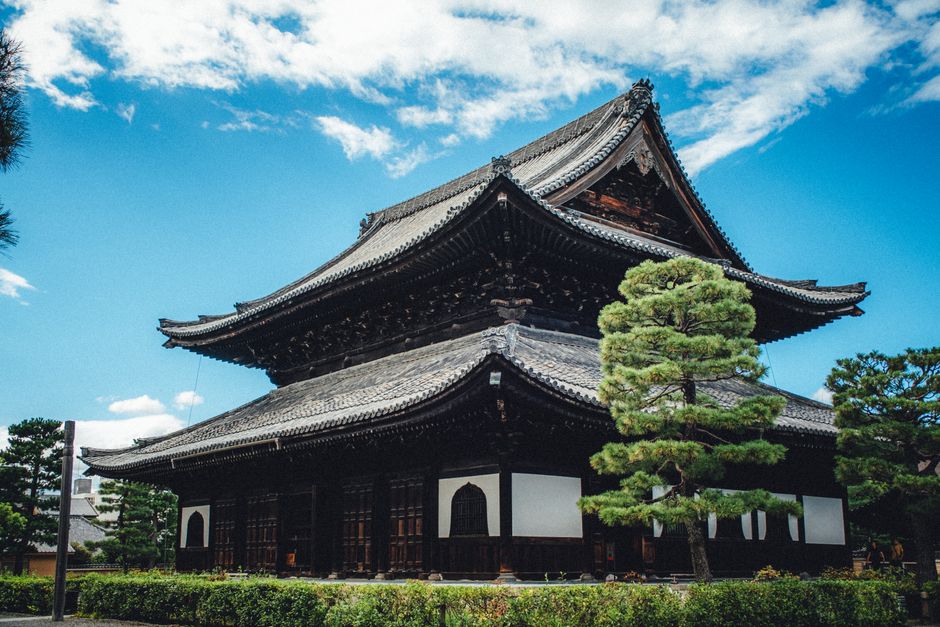
Day four is for Kinkaku-ji (the Golden Pavilion, ¥400). Go at 8:30 AM when it opens. The crowds arrive by 9:30. The pavilion is small. You will walk around the pond, take three photos, and be done in 25 minutes. That is normal. Do not feel cheated.
From Kinkaku-ji, take bus 204 or 205 to Ryoan-ji (¥500). The rock garden here is the most famous in Japan — 15 rocks arranged on raked white gravel. Sit on the veranda. Count the rocks. You will only see 14 from any angle. This is intentional. The 15th is hidden by your own perspective. It is a meditation on imperfection.
Walk 10 minutes to Ninna-ji (¥500). The five-story pagoda and the Omuro Palace are worth the entry. The grounds are large and quiet. This is a good place to decompress before your departure.
Final stop: Nishiki Market (closed Sundays). Go between 11 AM and 1 PM. Try the grilled mochi (¥200), the pickled vegetables (¥300 for a sample set), and the tamago (Japanese omelette on a stick, ¥250). Do not buy souvenirs here — the markup is 30% over standard shops.
Budget breakdown for 4 days:
| Category | Low Budget (hostel, convenience store food) | Mid Budget (business hotel, casual restaurants) | High Budget (ryokan, fine dining) |
|---|---|---|---|
| Accommodation (4 nights) | ¥16,000 ($110) | ¥40,000 ($270) | ¥100,000 ($680) |
| Food (4 days) | ¥8,000 ($55) | ¥20,000 ($135) | ¥40,000 ($270) |
| Transport (bus + train) | ¥3,000 ($20) | ¥5,000 ($34) | ¥8,000 ($55) |
| Temple entry fees | ¥2,500 ($17) | ¥3,500 ($24) | ¥5,000 ($34) |
| Total | ¥29,500 ($202) | ¥68,500 ($463) | ¥153,000 ($1,039) |
What This Itinerary Does Not Include — And Why That Is Fine
This itinerary skips the Kyoto Imperial Palace (requires a guided tour reservation, interiors are modern reconstructions), the Gion district during peak hours (it is a zoo of tourists chasing geisha photos), and the Nijo Castle (interesting, but the “nightingale floors” squeak less than advertised).
The tradeoff: You trade three moderately interesting sites for two hours of genuine quiet at Nanzen-ji, an empty bamboo grove at dawn, and a rock garden you can sit with for 15 minutes. That is the better deal.
If you have an extra half-day, add Kobo-san Market at To-ji Temple (held on the 21st of each month). It is a flea market with antiques, street food, and local crafts. Arrive by 8 AM before the crowds hit.
One final note on pacing: Kyoto rewards early mornings and late afternoons. From 10 AM to 3 PM, every major site is crowded. Use those hours for meals, shopping on quiet side streets, or resting your feet. The city is not going anywhere. Neither should you be, at a sprint.