
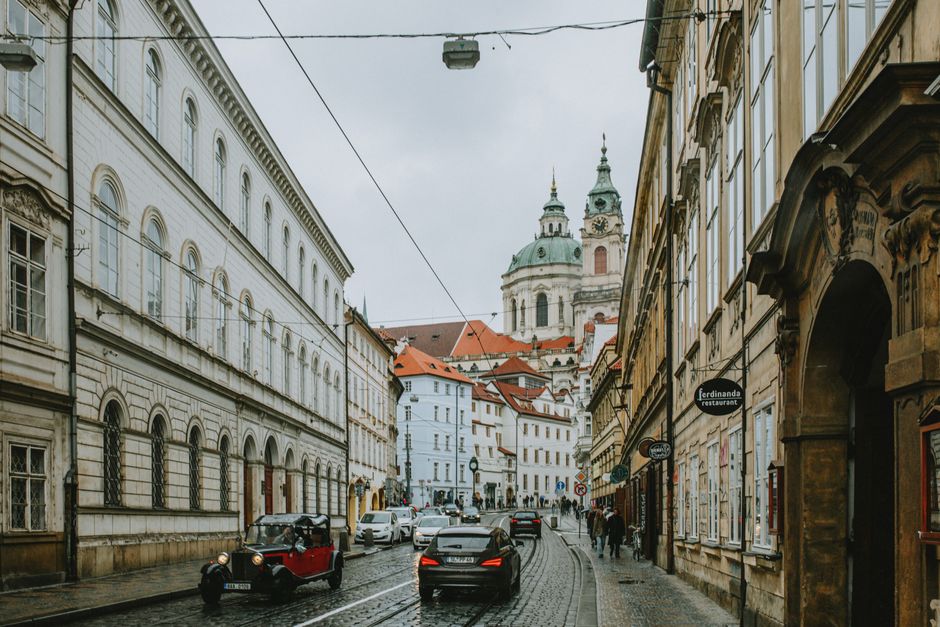
In 2026, Lisbon airport handled over 34 million passengers. Porto added another 16 million. Meanwhile, the village of Monsanto — carved into giant granite boulders — saw fewer visitors in a year than Lisbon sees in a single Tuesday morning. That gap is exactly what this guide exploits.
These 10 spots aren’t unknown to locals. They’re simply ignored by the tourist machine. No overcrowded tram rides. No queues for pastel de nata. Just landscapes and villages that feel like Portugal before tourism discovered it.
Why Most Portugal Guides Send You to the Wrong Places
Standard travel articles recommend Sintra, the Douro Valley, and the Algarve coast. All beautiful. All packed. The real issue isn’t that these places are bad — it’s that they’re predictable. A 2026 survey by Turismo de Portugal found that 73% of first-time visitors to Portugal only visit three regions: Lisbon, Porto, and the Algarve. That leaves 90% of the country unexplored by tourists.
Here’s what those guides miss:
- Time cost: A day in Sintra means 3 hours of traffic and 2 hours in line for Pena Palace. That’s half your day wasted.
- Price inflation: Restaurants near Lisbon’s Rossio charge 50% more than identical food 30 minutes inland.
- Authenticity erosion: Many Algarve towns now cater exclusively to British package tourists. The real Portugal moved inland decades ago.
The trade-off is real: you lose convenience and English menus. You gain empty beaches, €2 glasses of wine, and conversations with people who don’t work in tourism.
The 10 Hidden Gems (Ranked by How Undiscovered They Are)
| Location | Region | Why It’s a Gem | Best Time to Visit | Tourist Density (1-10) |
|---|---|---|---|---|
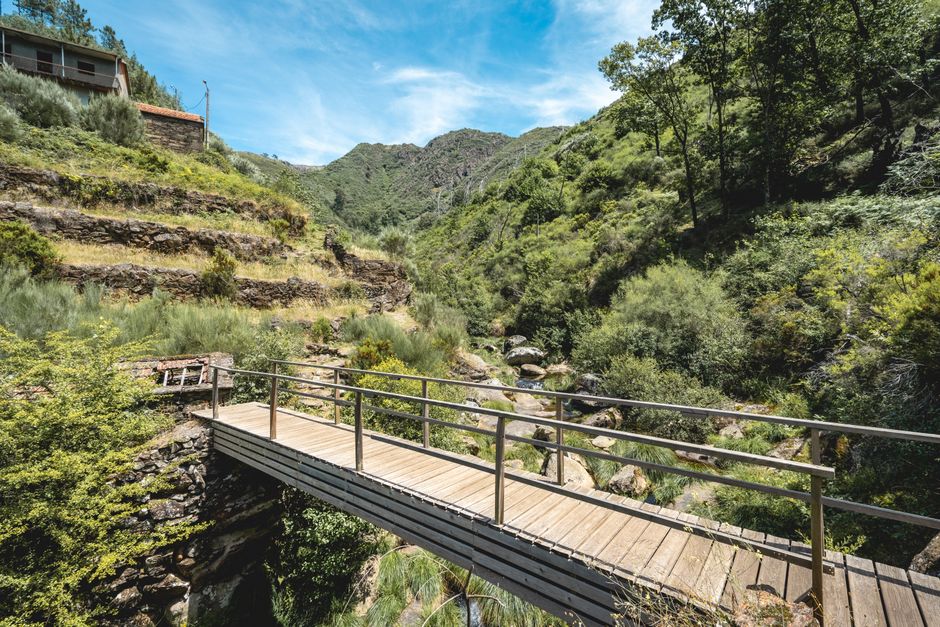
| Monsanto | Beira Baixa | Village built between 200-ton granite boulders. Houses use rocks as walls. | April-June, Sept-Oct | 1 |
| Costa Vicentina | Alentejo | 75 miles of protected coastline. No high-rises. Wild beaches. | May-September | 2 |
| Serra da Estrela | Centro | Portugal’s highest mountain range. Cheese, hiking, and snow in winter. | December-February (snow), June-September (hiking) | 3 |
| Piódão | Centro | Slate-roofed village in a remote valley. Accessible only by winding mountain roads. | Spring and autumn | 1 |
| Alqueva Dark Sky Reserve | Alentejo | Lowest light pollution in mainland Portugal. Stargazing from a lake. | June-August (Milky Way visible) | 2 |
| Ilha do Pessegueiro | Alentejo | Uninhabited island with a 16th-century fort. Reachable by foot at low tide. | June-September (low tide windows) | 1 |
| Sortelha | Beira Baixa | Medieval walled village. Almost untouched since the 13th century. | April-June, September-October | 1 |
| Pico Island (Azores) | Azores | Volcanic island with Portugal’s highest mountain. Whale watching and vineyards. | June-September | 4 |
| Marvão | Alentejo | Castle town perched on a 900-meter cliff. Views into Spain. | March-May, October-November | 2 |
| Vila Nova de Milfontes | Alentejo | River-meets-ocean town. Kayaking, surfing, and seafood. Still under the radar. | June-September | 3 |
How to Get Around Without a Car
Here’s the honest truth: most of these locations are hard to reach by public transport. Monsanto, Sortelha, and Piódão have infrequent buses — sometimes one a day. Rental cars are the standard solution. But there are alternatives.
Trains + Taxis: The Budget Combo
For the Alentejo coast, take the train from Lisbon to Setúbal or Sines. From there, local taxis cost €15-25 to reach the beaches. For Marvão, take the train to Portalegre, then a 20-minute taxi ride. Total cost: around €30 per person. Compare that to a rental car at €50/day plus fuel.
BlaBlaCar Works Well Here
Portugal has strong BlaBlaCar adoption. A ride from Lisbon to Évora costs €8-12. From Évora, you can reach Marvão or Monsanto for another €10. Check the app 48 hours in advance — weekend rides fill fast.
When a Rental Car Is Worth It
If you plan to visit 3+ hidden gems in one trip, rent a car. A small manual (e.g., Fiat Panda) from Lisbon airport costs about €35/day including insurance. The mountain roads to Piódão and Monsanto are narrow but paved — a standard sedan handles them fine. Avoid driving in Serra da Estrela in December without snow tires.
What Most Visitors Get Wrong About These Places
Three mistakes ruin these trips more than anything else.
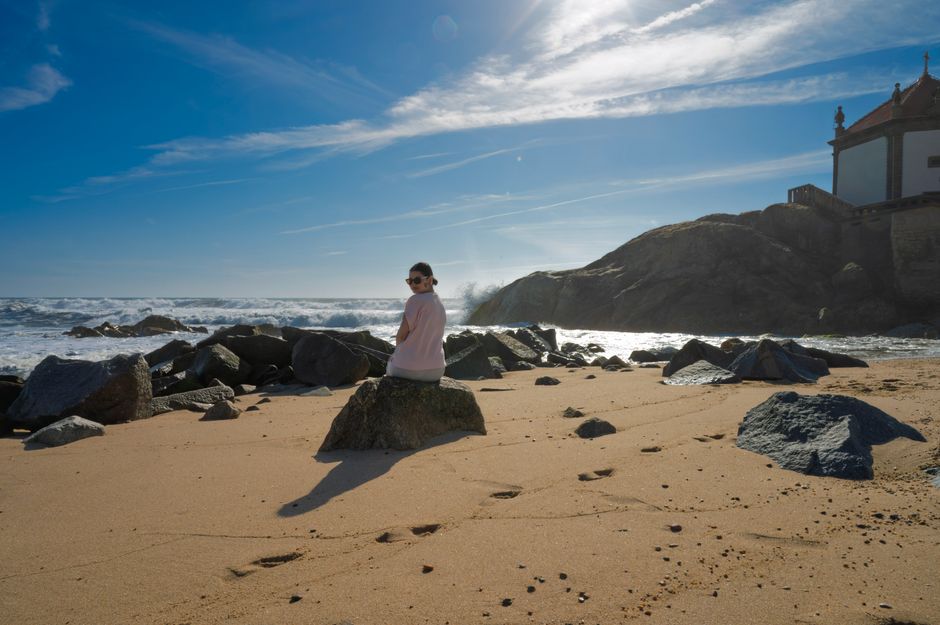
Mistake #1: Assuming summer is best. Costa Vicentina in August is 35°C with no shade on the beaches. The water is cold year-round. Go in May or September instead — same sun, half the heat, and the water temperature barely changes.
Mistake #2: Underestimating the hills. Marvão and Sortelha are built on steep slopes. If you have mobility issues, skip the upper castle areas. The cobblestone streets are uneven and slippery when wet. Pack shoes with good grip — trail runners or hiking sandals work better than fashion sneakers.
Mistake #3: Not booking accommodation ahead for Pico Island. Pico has limited hotels — about 400 rooms total on the island. In July and August, these book out 3-4 months in advance. If you show up without a reservation, you’ll end up in a €150/night guesthouse that normally costs €60. Book by March for summer visits.
Budget Breakdown: How Much These Hidden Gems Actually Cost
Here’s a realistic daily budget for exploring these regions in 2026. Prices in euros, per person.
| Expense | Budget | Mid-Range | Splurge |
|---|---|---|---|
| Accommodation (double room) | €40 | €75 | €130 |
| Meals (3 meals + snacks) | €20 | €40 | €65 |
| Transport (car rental share or bus) | €10 | €25 | €45 |
| Activities (museum, hike, kayak) | €5 | €15 | €40 |
| Total per day | €75 | €155 | €280 |
Compare that to Lisbon, where a mid-range day costs around €200. The savings add up fast. A week in the Alentejo coast costs about the same as 4 days in Lisbon.
The Verdict: Which Hidden Gem Should You Pick First?
Your choice depends on what you actually want from the trip — not what sounds prettiest on Instagram.
For empty beaches and surf: Costa Vicentina. Specifically, the stretch between Porto Covo and Zambujeira do Mar. The beaches here have no names on Google Maps. You’ll have 500 meters of sand to yourself on a Tuesday in June.
For medieval villages and photography: Monsanto. It’s the most photographed village in Portugal for a reason. The light at golden hour (5:30-7 PM in summer) turns the granite boulders orange. Stay overnight at Casa da Tia Aninhas (€55/night) and have the village to yourself after 8 PM when day-trippers leave.
For stargazing and silence: Alqueva Dark Sky Reserve. The observatory offers guided night tours for €15. The hotel at Herdade do Sobroso (€90/night) has telescopes in every room. June nights offer the clearest Milky Way views.
For hiking and altitude: Serra da Estrela. The trail from Torre (Portugal’s highest point at 1,993 meters) down to the Zêzere Glacier Valley is 12km of stunning terrain. Bring layers — even in August, the summit is 15°C with wind. The local cheese, Queijo da Serra, is worth the trip alone.
That 34 million figure from Lisbon airport? Most of those people never see these places. You don’t have to be one of them.