
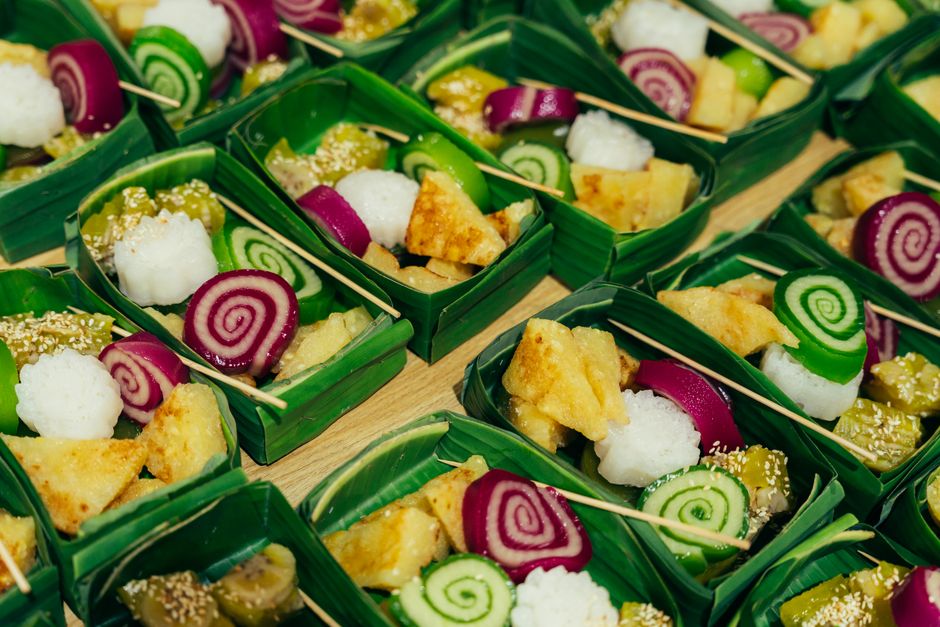
You land in Hanoi. Walk past three pho stalls in the first block. By day two, you’ve had two bowls — good ones, sure. But Vietnam’s street food runs way deeper than beef noodles and a baguette. So what are you actually missing?
This guide names seven dishes you need to track down, exactly which streets to find them on, and what to look for so you don’t end up at a tourist trap charging $5 for a $1 bowl.
Bun Cha: The Dish Hanoi Does Better Than Anyone
Bun cha is grilled pork patties and slices served in a warm, sweet-sour fish sauce broth alongside a basket of cold rice noodles and fresh herbs. You dip the noodles into the broth, wrap them in lettuce, and eat. It’s messy. It’s perfect.
Where to find it in Hanoi
Bun cha has one legendary address: Bun Cha Huong Lien at 24 Le Van Huu Street. This is the spot where Anthony Bourdain and Barack Obama ate together. The Obama Combo — one order of bun cha, one crab spring roll, and a Hanoi beer — costs about $3.50. Go at 11:30 AM when the first batch of pork comes off the grill.
What to look for
Real bun cha uses charcoal-grilled pork. If you don’t see smoke rising from a small grill on the sidewalk, keep walking. The meat should have charred edges, not look boiled. The broth should be light brown, not dark. Too dark means too much caramel sauce — the sign of a place trying to cover up old meat.
Banh Xeo: The Crispy Crepe Most Tourists Order Wrong
Banh xeo is a crispy, turmeric-colored rice flour crepe stuffed with shrimp, pork, bean sprouts, and sometimes mung beans. The name translates to “sizzling cake” — from the sound the batter makes when it hits the hot pan.
Most tourists eat it wrong. They pick up the crepe with chopsticks and bite into it like a pancake. Here’s the correct move: tear off a piece of the crepe, wrap it in a lettuce leaf with mint and perilla, then dip it in nuoc cham (fish sauce with lime, garlic, and chili). One bite. That’s the whole experience.
Best banh xeo in Ho Chi Minh City
Banh Xeo 46A at 46A Dinh Cong Trang Street in District 1. One crepe costs 30,000 VND (about $1.20). They use coconut milk in the batter — gives it a sweetness you won’t find in Hanoi versions. Go around 6 PM when the place fills with locals. The line moves fast.
Cao Lau: Hoi An’s Noodle Dish You Can’t Find Anywhere Else
Cao lau is a noodle bowl unique to Hoi An. The noodles are thick, chewy, and slightly chewy — made from rice flour soaked in ash water from local Cham Island trees. The dish comes with sliced pork, crispy croutons, raw greens, and a small amount of broth. It’s not soup. It’s not dry. It’s somewhere in between.
The water matters
Local legend says authentic cao lau requires water from the Ba Le well. True or not, the best versions use water from a specific Hoi An source. You can taste the difference. The noodles have a springy texture that instant versions can’t match.
Where to eat it
Cao Lau Thanh at 26 Thai Phien Street. A bowl costs 35,000 VND ($1.40). They’ve been open since 1988. The pork here is sliced thin and marinated in five-spice — darker and richer than the pale pork at other stalls. Don’t add chili sauce before tasting the broth first. The broth is the test.
Com Tam: Broken Rice That Beats Any Sit-Down Meal
Com tam is broken rice — the fractured grains that were too small to sell whole. Farmers kept these for themselves. Now it’s Saigon’s most popular breakfast. The standard plate comes with grilled pork chop, a thin egg meatloaf called cha trung, shredded pork skin, scallion oil, and a side of pickled carrots and daikon. A fried egg on top costs an extra 5,000 VND ($0.20). Get it.
The key is the grilled pork. It should be marinated in lemongrass, fish sauce, and honey or sugar — then grilled over charcoal until the edges char. Dry pork means a bad stall.
Best in Ho Chi Minh City
Com Tam Moc at 85 Ly Tu Trong Street, District 1. A full plate with everything costs 45,000 VND ($1.80). They serve it with a bowl of broth on the side — a thin pork bone soup with scallions. Drink that after you finish the rice. It cleans your palate.
Goi Cuon: Fresh Spring Rolls You Should Actually Make Yourself
Goi cuon are fresh spring rolls — shrimp, pork, vermicelli noodles, lettuce, and herbs wrapped in rice paper. No frying. No heavy sauce. The dipping sauce is hoisin-based with ground peanuts and chili.
Most tourists buy them pre-made from street carts. That’s a mistake. The rice paper gets tough after 15 minutes. You want rolls wrapped to order.
Where to get fresh ones
In Ho Chi Minh City, go to Banh Mi Huynh Hoa — yes, the famous banh mi shop — but skip the sandwich and order their goi cuon from the side window. They wrap them while you wait. Four rolls cost 25,000 VND ($1.00). The shrimp are whole, not chopped. The pork is sliced thin. The herbs are mint and Vietnamese balm, not just lettuce.
Bun Bo Hue: The Spicy Soup That Puts Pho to Shame
Bun bo Hue is a beef noodle soup from the central city of Hue. The broth is darker, spicier, and more complex than pho. It’s made with beef bones, lemongrass, annatto oil (for color), and shrimp paste. That last ingredient is what gives it the funky, savory punch that pho lacks.
The noodles are round and thick — closer to spaghetti than the flat rice noodles in pho. The bowl comes with slices of beef shank, pork knuckle, and congealed pork blood (optional, but traditional). If you skip the blood, you’re eating a different dish.
Where to find it outside Hue
Bun Bo Hue 14A at 14A Ton That Dam Street, Ho Chi Minh City. A large bowl costs 50,000 VND ($2.00). The owner makes the broth for 12 hours. You can taste the lemongrass clearly — it’s not buried under fish sauce. Add a spoonful of fermented shrimp sauce (mam tom) if you want the real Hue experience. It’s strong. Go slow.
Che: The Dessert You Eat for Breakfast
Che is a category, not a single dish — sweet soups, puddings, and drinks made from beans, tapioca, coconut milk, and fruits. Vietnamese people eat che any time of day. You’ll see students sipping it from plastic bags on their way to school at 7 AM.
The most common version for first-timers is che ba ba — a warm coconut milk soup with taro, sweet potato, cassava, and tapioca pearls. It’s thick, creamy, and not too sweet. A bowl costs 15,000 VND ($0.60).
Best che in Hanoi
Che Bon at 15 Hang Can Street. They’ve been open since 1985. Their che thap cam (mixed che) includes 12 ingredients — red beans, green beans, lotus seeds, jellies, coconut cream, and crushed ice. One bowl is a meal. Two is a mistake. Order one, share it, then walk to Hoan Kiem Lake.
Comparison Table: Seven Dishes at a Glance
| Dish | City | Best Stall | Price (VND) | Key Flavor |
|---|---|---|---|---|
| Bun cha | Hanoi | Bun Cha Huong Lien | 50,000 | Char-grilled pork + sweet fish sauce broth |
| Banh xeo | Ho Chi Minh City | Banh Xeo 46A | 30,000 | Coconut milk batter + crispy texture |
| Cao lau | Hoi An | Cao Lau Thanh | 35,000 | Chewy noodles + five-spice pork |
| Com tam | Ho Chi Minh City | Com Tam Moc | 45,000 | Charcoal-grilled pork + broken rice |
| Goi cuon | Ho Chi Minh City | Banh Mi Huynh Hoa | 25,000 | Fresh shrimp + hoisin peanut dip |
| Bun bo Hue | Ho Chi Minh City | Bun Bo Hue 14A | 50,000 | Spicy lemongrass broth + shrimp paste |
| Che ba ba | Hanoi | Che Bon | 15,000 | Warm coconut milk + taro |
Three Mistakes That Ruin Your Street Food Experience
Mistake one: eating at the wrong time. Bun cha is a lunch dish. Banh xeo is dinner. Pho is morning. If you show up at 4 PM wanting bun cha, the pork has been sitting out for hours. Go when locals go.
Mistake two: skipping the herbs. Every dish in Vietnam comes with a pile of raw greens. Those are not garnish. They’re part of the dish. The mint, perilla, and Vietnamese balm cut through the fat and salt. Eat them.
Mistake three: using too much sauce. Vietnamese food is already seasoned. Adding fish sauce, chili, or hoisin before tasting is an insult to the cook. Taste first. Then adjust.
You don’t need a guidebook for this. Walk down any residential street in Hanoi at 11 AM. Look for the stall with the most plastic stools. The one where the smoke is coming from a charcoal grill. Sit down. Point at what the person next to you is eating. That’s how you find the real food.