
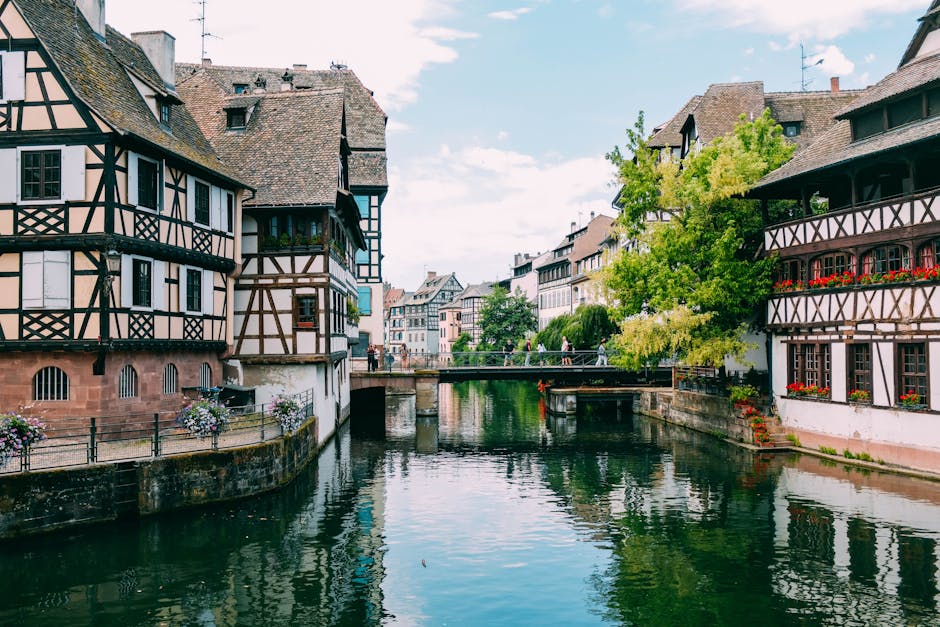
Are you looking for that perfect window where the weather is warm but the summer crowds haven’t yet turned every sidewalk into a bottleneck? I have spent the last decade chasing shoulder seasons across four continents, and I can tell you from experience that the final two weeks of May are the closest thing to a travel cheat code. It is that sweet spot where the northern hemisphere is waking up, the southern hemisphere is cooling down, and the prices haven’t yet hit their July peaks. If you time it right, you get the best of both worlds: lower airfare and the kind of weather that makes you want to stay outside until the sun finally sets at 9:00 PM.
Choosing where to go during this specific timeframe requires a bit of strategy. You want to avoid regions hitting their peak rainy season while also dodging the massive domestic holidays that can clog up local infrastructure. In this guide, I am breaking down five regions that I believe offer the most value and the best experience for a late May departure. I will also share the specific gear I have found essential for these trips, based on what has actually survived my own travels.
Why is the end of May the best time for a Mediterranean getaway?
In my experience, the Mediterranean is a completely different world in late May compared to August. If you head to places like Crete, Sicily, or the Dalmation Coast in Croatia, you are catching the very beginning of the swimming season. The water is crisp—refreshing rather than bone-chilling—and the hillsides are still green before the relentless summer sun turns everything to a dusty brown. I remember walking through the ruins of Knossos in Crete during late May; the temperature was a perfect 75°F, and I wasn’t fighting for a view with three hundred other people. By July, that same spot is a 95-degree furnace.
The logistical benefits are just as significant. Smaller boutique hotels that might be fully booked months in advance for the summer often have last-minute availability in May. You can often snag a room with a sea view for 30% less than the peak season rate. However, the sun is deceptively strong even if the air feels mild. Because I spend so much time outdoors during these trips, I have become very particular about sun protection. I stopped using those greasy drugstore brands years ago because they always broke out my skin or ruined my linen shirts.
Instead, I now swear by Supergoop! Unseen Sunscreen SPF 40. It usually retails for about $38 for a 1.7 oz bottle. The primary pro is that it is completely clear and feels more like a makeup primer than a sunscreen—it won’t leave a white cast on your face in photos. The main con is the price; it is definitely more expensive per ounce than standard brands, but for a face sunscreen that doesn’t feel like a mask, I find it worth the investment. When you are walking through the white-washed streets of Santorini or Mykonos, you need that invisible protection that doesn’t melt into your eyes the moment you start sweating.
| Destination | Avg High Temp (°F) | Crowd Level | Top Activity |
|---|---|---|---|
| Crete, Greece | 74°F | Moderate | Hiking Samaria Gorge |
| Sicily, Italy | 72°F | Moderate | Exploring Valley of the Temples |
| Hvar, Croatia | 70°F | Low-Moderate | Sailing the Pakleni Islands |
What makes Japan a top destination after the Golden Week rush?
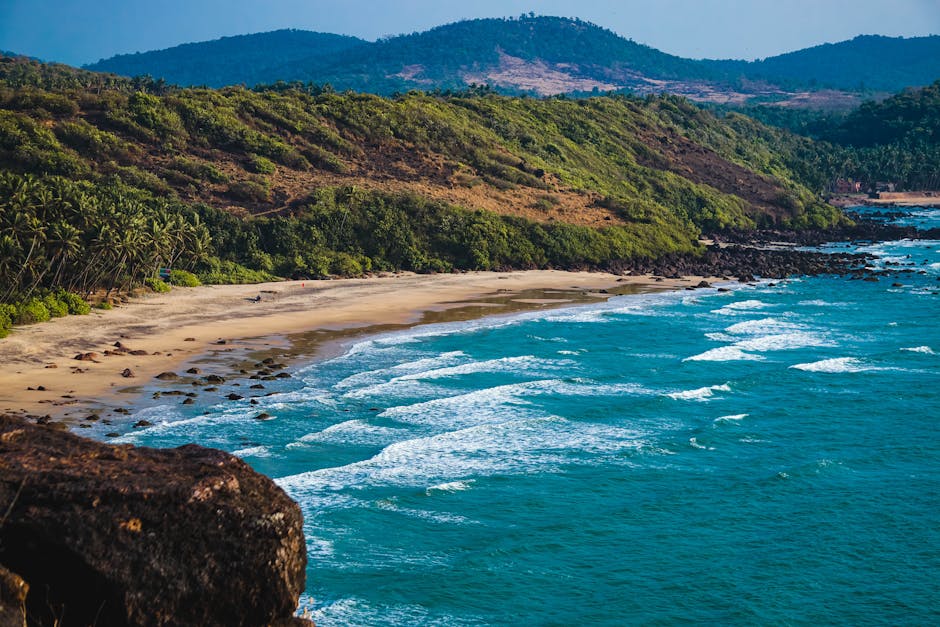
If you have ever researched Japan, you have probably heard of Golden Week. It is a cluster of national holidays in early May where the entire country seems to be on the move. It is chaotic, expensive, and generally a time I tell people to stay away. But here is the secret: the two weeks immediately following Golden Week—the end of May—are some of the most peaceful times to visit. The weather is stable, the humidity of the summer hasn’t arrived yet, and the famous lush greenery of the Japanese spring is at its peak.
Walking through the Arashiyama bamboo grove in Kyoto or the parks of Tokyo is a much more meditative experience when you aren’t shoulder-to-shoulder with thousands of domestic travelers. This is also the time when the “shinryoku” (new green) leaves are out, creating a vibrant landscape that many photographers actually prefer over the brief cherry blossom season. The days are long enough to pack in a lot of sightseeing, but you will be doing a massive amount of walking. On my last trip to Tokyo, I averaged 22,000 steps a day.
Long flights to Japan and long train rides on the Shinkansen mean you need a way to block out the world. I have tested dozens of pairs, but I always come back to the Sony WH-1000XM5 Noise Canceling Headphones. You can usually find them for around $350. The pros are undeniable: the noise cancellation is industry-leading, and the battery life easily lasts through a trans-Pacific flight. The con is the design change from the previous model; they no longer fold into a tight ball, so the carrying case takes up a fair amount of space in your personal item. Even so, the ability to turn a noisy plane cabin into a silent room is a luxury I won’t travel without anymore.
Late May in Japan is also the start of the festival season. Keep an eye out for the Sanja Matsuri in Tokyo, one of the city’s largest and wildest festivals, which usually takes place in the third week of May.
Where can you find the best hiking in the Western United States in May?
For those who prefer mountains to cities, the end of May is a legendary time for the American West, specifically Yosemite National Park. This is the peak of the waterfall season. As the snow melts in the high Sierras, the Yosemite Falls, Bridalveil Fall, and Nevada Fall reach their maximum volume. The sound is thunderous, and the mist can be felt from hundreds of yards away. By August, some of these falls are reduced to a mere trickle. If you want to see the park in its most powerful state, May is the month.
There is a catch, though. While the valley floor is beautiful and accessible, the high-altitude roads like Tioga Road might still be closed due to snow. This means you have to be content with exploring the valley and the lower-elevation trails. Zion National Park is another fantastic option in late May. It is just before the scorching heat of the Utah summer makes hiking dangerous, though you do have to monitor the Virgin River flow levels if you plan on hiking The Narrows, as spring runoff can sometimes close the river.
When I am hitting these trails, I need a pack that can handle a hydration bladder, some snacks, and an extra layer without being bulky. I have used the Osprey Daylite Plus Daypack for years. It costs about $75. The pros are its durability and the fact that it can attach to larger Osprey luggage pieces. It also has a very comfortable, breathable back panel which is essential when the sun starts beating down in Zion. The main con is that the side mesh pockets are a bit tight; if you use a wide-mouth water bottle, it can be a struggle to get it in and out while wearing the pack. I usually pair it with a 2-liter reservoir to solve that problem.
Hiking in these parks during the transition from spring to summer requires a bit of flexibility. One day it might be 80 degrees and sunny, and the next a stray mountain storm could drop the temperature by 30 degrees. Always check the park’s current conditions page on the morning of your hike. I have seen people get caught in the mist of Mist Trail in Yosemite without a shell, and they end up shivering for the rest of the day.
Is late May the ideal time to visit the Peruvian Highlands?
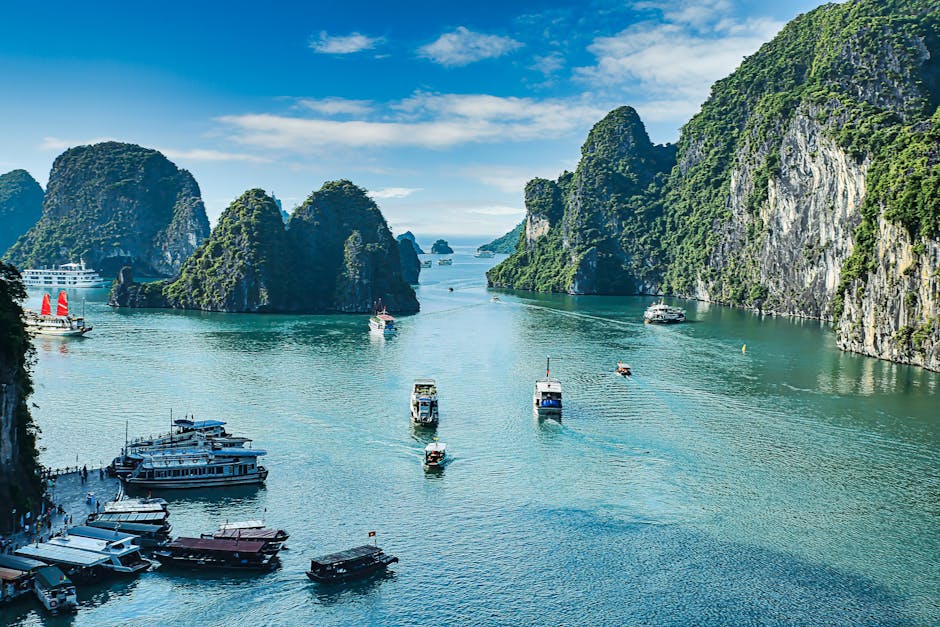
Peru is a bucket-list destination for many, but the weather can be tricky. Late May marks the beginning of the dry season in the Andes. This is crucial because if you are planning to visit Machu Picchu or trek the Inca Trail, you want to avoid the mud and rain that plague the region from December through March. By the end of May, the skies are generally clear and blue, providing those iconic, unobstructed views of the ruins. The landscape is also still very green from the recently ended rains, making it the most photogenic time of year.
Another reason I recommend late May for Peru is the crowd factor. June and July are the busiest months due to the Inti Raymi festival and summer holidays in the Northern Hemisphere. By going in late May, you beat that massive surge. You still need to book your Machu Picchu tickets months in advance, but the actual experience of walking through the citadel feels significantly less rushed. The nights in the highlands can be quite cold, though, so you have to pack for a massive temperature swing between noon and midnight.
Since you will likely be spending time in remote areas or on long bus rides between Cusco and the Sacred Valley, power management is a real issue. I never leave for a trip like this without a high-capacity power bank. The Anker 737 Power Bank (PowerCore 24K) is my current go-to. It usually costs between $100 and $140. The pro is the massive 140W output—it can actually charge a laptop if you need to do some work on the go. The digital display that shows exactly how much time is left until the bank is empty is incredibly helpful. The con is the weight; it is a brick. You will feel it in your daypack, but it is better than having a dead phone when you are trying to navigate a foreign city or take that perfect shot of Wayna Picchu.
- Cusco: Perfect for acclimatizing and exploring colonial architecture.
- Sacred Valley: Lower altitude and home to incredible markets in Pisac.
- Machu Picchu: Aim for the early morning entry slots for the best light.
- Rainbow Mountain: May offers the clear skies needed to actually see the colors.
How do the Nordic countries change during the late May transition?
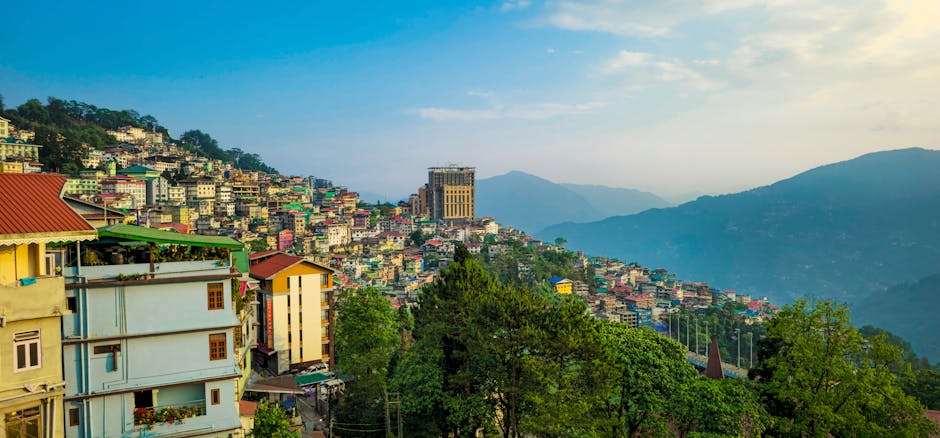
If you head north to Norway, Sweden, or Denmark at the end of May, you are witnessing one of nature’s most dramatic transformations. The days are becoming incredibly long—in parts of Norway, the sun barely sets at all. This is the “shoulder season” for the fjords. The fruit trees in places like Hardangerfjord are in full bloom, creating a stunning contrast between the white blossoms and the snow-capped peaks above. It is a quiet, ethereal time to visit before the cruise ships start dumping thousands of passengers into the small port towns in June.
In Copenhagen or Stockholm, the locals are out in force. After a long, dark winter, the first signs of consistent warmth bring everyone to the outdoor cafes and parks. There is an energy in the air that you just don’t get later in the summer when half the city goes on vacation elsewhere. You can spend your evenings sitting by the water at 10:00 PM with plenty of light still in the sky. It is the perfect time for a road trip through the Norwegian fjords, as the mountain passes have finally been cleared of snow, but the traffic remains light.
Because the days are so long and you might find yourself on long ferry rides or trains, I always suggest bringing a dedicated e-reader. I use the Kindle Paperwhite (16GB), which costs about $150. The pro is the battery life—it lasts for weeks—and the waterproof rating, which is great if you are reading on a boat or near a misty fjord. The screen is also much easier on the eyes than a tablet during those long hours of daylight. The con is that the interface can feel a bit slow if you are used to the snap of a modern smartphone, but for reading, it is unbeatable. It saves so much weight compared to carrying three or four physical books.
When planning a late May trip to Scandinavia, remember that “warm” is relative. It might be 65°F in the sun, but as soon as the wind kicks up off the water, it feels much colder. Layering is not just a suggestion; it is a survival strategy. I usually pack a lightweight down vest and a windproof shell. This allows you to adapt as you move from a sunny city street to the deck of a ferry in the North Sea. It is a region that rewards the prepared traveler with some of the most pristine landscapes on the planet.
Ultimately, the end of May is about opportunity. Whether you are looking for the historical depth of the Mediterranean, the technical precision of Japan, the raw power of American waterfalls, the ancient mysteries of Peru, or the endless light of the North, this window provides a rare chance to see the world at its best without the usual compromises of peak-season travel. Pack your bags, grab your gear, and take advantage of the quiet before the summer storm.